

8 min read · Updated: 2026-10-14
Smart readers want practical, data‑driven ways to connect technology with real-world activity. This explainer shows how local events in the USA this week matter to tech enthusiasts, developers, and product teams. You’ll learn how to filter, attend, and report on happenings that influence hardware design, software trends, and cybersecurity awareness.
First, you’ll see how to choose events that align with your interests or work, from wearable showcases to security conferences. Then you’ll understand why these events matter for product cycles, beta testing, and community building. Finally, you’ll get a simple framework to track your follow‑ups and measure value.
This article follows a clear path: basics, how it works, practical options, and common pitfalls, with concrete steps you can apply this week.
- Local tech events connect hardware and software trends to real products. Choose events with practical talks, not just marketing. Prepare goals, take notes, and plan follow‑ups for useful outcomes.
- Plan attendance around sessions with hands‑on demos to verify claims and collect usable ideas. Look for independence in demos and opportunities to test concepts or collaborate.
- Use a simple checklist to prioritize sessions, capture insights, and identify at least one potential collaborator or project for your team.
- Beware of overly broad marketing pitches; favor events offering demonstrable value and privacy‑respecting demos. Maintain secure practices when testing devices or software.
Basics of local events in the USA this week
What qualifies as a local event
A local event is any organized gathering with a defined geographic focus and relevance to technology. It can be a meetup, a trade show, a workshop, or a hackathon. The key is practical relevance to your tech interests and daily work. local events in the USA this week are a practical lens for understanding hardware and software trends in your region.
For smartwatches and devices, look for product launches, developer sessions, or user groups that discuss wearables, sensors, and mobile integration.
Be mindful of the event’s scale and the audience: smaller meetups often offer deeper hands‑on access, while larger shows provide broader industry context.
- Choose events that have a clear agenda
- Prefer sessions with hands‑on demos
- Check for developer or researcher tracks
- Note the venue’s accessibility and schedule
- Assess potential for follow‑up collaborations
How these events affect tech work
Events shape roadmaps by highlighting user needs, emerging standards, and security considerations. Attending talks on device interoperability, privacy controls, or firmware updates informs design choices. You can also test ideas in informal demos or with fellow attendees.
Wearable platforms evolve through vendor roadmaps and community feedback; events capture that dynamic in near real time.
Reporters gain story angles by comparing vendor claims with hands‑on demonstrations and independent testing.
- Track sessions on interoperability
- Note security and privacy demos
- Look for live testing or beta previews
- Record outcomes for product or article pitches
- Plan follow‑ups with organizers or speakers
How to pick the right events for tech readers

Criteria for selection
Choose events with credible programs, active speakers, and community engagement. Prioritize a balance of practical workshops and strategic talks. Check attendee profiles to gauge relevance for technology readers. Defense News US latest news provides context on security topics that often inform wearable and device ecosystems.
- Credible program with clear agenda
- Active speaker lineup
- Hands‑on sessions available
- Inclusive, accessible venue
What to skip and why
Skip events with vague agendas or heavy marketing pitches. Overly generic topics waste time that could be spent on deeper tech conversations. Seek occasions that offer demonstrable results or tangible takeaways for your field.
- Avoid vague marketing events
- Avoid sessions without concrete demos
- Prefer events with measurable outcomes
- Avoid venues with poor accessibility
Options for engaging beyond attendance
Ways to participate
Participation can be as an attendee, speaker, or contributor to a project booth. Virtual options extend reach but may limit hands‑on experiences. Seek opportunities that provide mentorship or collaboration potential. get your business listed in the USA can boost visibility for tech events seeking partnerships and media coverage.
- Attend sessions live
- Volunteer for demos
- Propose a short talk or demo
- Join a coding or hardware sandbox
| Option | Pros | Cons |
|---|---|---|
| In‑person attendance | Direct networking; live demos | Travel time; schedules may clash |
| Virtual participation | Low friction access; recordings | Less hands‑on interaction; time zones |
| Hybrid formats | Best of both worlds | Requires planning and tech setup |
Maximizing value from each event
Before you go, set three concrete goals: learn a specific concept, meet one potential collaborator, and gather content ideas for a piece. During the event, take structured notes and tag sessions by relevance. Afterward, share insights with your team and test ideas in your own projects.
- Define three goals
- Take structured notes
- Capture contact details for follow‑ups
- Prototype at least one idea from insights
Do not share sensitive information or credentials when testing devices or software.
Pitfalls to avoid at tech events

Common traps
Overloading your schedule leads to fatigue and missed value. Relying on vendor booths for comprehensive truth can mislead; seek independent demos and third‑party validation. place an advert in the USA is a potential route to reach audiences at conferences and hackathons, where tech decision‑makers gather.
- Overpacked agendas
- Too much marketing talk
- Limited time for hands‑on
- Inadequate post‑event follow‑up
Security and privacy reminders
Be mindful of data handling during demos. Do not share sensitive information or credentials when testing devices or software. Use reputable networks and follow your organization’s guidelines for event Wi‑Fi and BYOD policies.
Comparing event formats
Overview of event types
Event formats range from large conferences to focused meetups, each with distinct advantages for tech readers. Large conferences offer broad exposure and vendor ecosystems, while smaller meetups provide deeper, hands-on sessions and quicker networking turns. Understanding these differences helps readers target events that align with their goals and time constraints. L1: announce a death in the USA
The choice of format affects what you learn, who you meet, and how you allocate your prep time. For engineers and researchers, domestic conferences often feature publishable work and early access to tools, while local meetups emphasize practical problem solving and rapid feedback.
The key is to map your objectives to format characteristics, such as session types, audience mix, and content depth. This clarity makes it easier to judge value and avoid event fatigue.
- Large conferences favor breadth and sponsors
- Meetups favor depth and hands-on work
- Plan around key sessions and demos
- Allocate time for post-event follow-up
Networking tactics at tech events
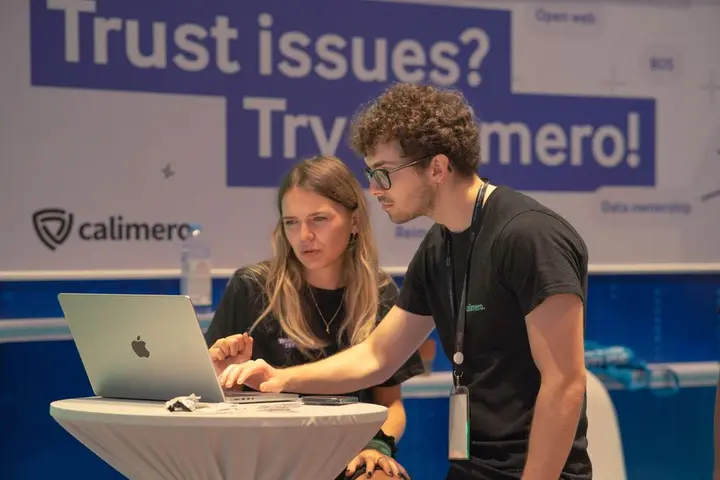
Effective pre-event outreach
Successful networking starts before the first session. Reach out to peers and potential collaborators with specific questions or collaboration ideas, and arrange short meetups during the event. This pre-work reduces awkwardness and accelerates meaningful conversations.
- Define 2 collaboration ideas you want to explore at the event.
- Schedule at least one pre-event message to a potential contact.
Prepare a concise pitch that explains your role, interests, and what you’re seeking, then tailor it to the person you plan to meet. Bring business cards or digital contact options, and offer a concrete follow-up action.
During the event, join a mix of formal sessions and informal spaces, like poster lounges or after-hours gatherings, to diversify your conversations and avoid echo chambers.
- Have a clear objective for each conversation
- Offer a concrete follow-up action
- Ask specific questions to spark technical exchanges
- Limit pitches to 60 seconds
Monetizing event insights
Turning knowledge into value
Translating event insights into value involves capturing practical takeaways that others can use, not just high-level summaries. Focus on workflows, tools, or techniques that solve real problems you face. This makes your notes more actionable for colleagues or clients.
Create shareable briefs that emphasize steps, risks, and expected outcomes, and pair them with a concise executive summary. This helps readers in technical roles decide what to try first.
When possible, test ideas from events in a controlled environment, then document outcomes with concrete metrics, even if qualitative. This keeps your reporting credible and useful.
- Draft practical summaries
- Highlight workflows and tool tips
- Record results and observations
- Share with a defined audience
Reporting from tech gatherings

Writing for engineers and decision-makers
Good event reporting balances technical detail with actionable insights. Explain why a session matters, what was demonstrated, and how it could affect daily workflows. Avoid vague praise and focus on real takeaways a reader can reproduce.
- Describe how a technique would change a specific workflow.
- List 2 potential risks or uncertainties to watch for.
Structure reports with concrete sections: problem, approach, results, and next steps, so readers can skim for relevance and dive deeper as needed. Include diagrams or code snippets when they add clarity.
Be transparent about limitations, such as small sample sizes or vendor bias, to preserve credibility and guide readers toward practical use cases.
- Explain relevance to daily work
- Provide concrete steps for replication
- Flag biases and limitations
- Offer follow-up resources or experiments
Frequently asked questions
How do I choose which sessions to attend at a large tech conference?
Start with the conference program, then map sessions to your current projects. Prioritize talks that propose concrete methods you can test, and reserve time for vendor demonstrations that relate to your needs. Bring a notebook for quick action items and follow up with speakers afterward.
What counts as a good post-event follow-up?
Send 2–3 targeted messages within a week to people you met, referencing a specific conversation point or collaboration idea. Propose a concrete next step, such as sharing a draft or setting up a brief call. Keep it concise and trackable in your task list.
How can I verify the relevance of a new tool I learn about at an event?
Look for a quick start guide or a small pilot project you can run within days. Compare against your current workflow, noting expected time savings or reliability improvements. If the vendor offers a sandbox, try a limited test before committing resources.
What should I avoid in event coverage to stay credible?
Avoid promotional language and vague claims. Focus on actionable outcomes, include a candid assessment of limitations, and cite any direct experiences or experiments you conducted. Always distinguish between your conclusions and general statements.
Next steps after the gathering
Capture the top three practical changes you will implement this month from what you learned, and set clear milestones to measure impact. If possible, pair each change with a short pilot plan and a responsible teammate.
Schedule a debrief with your team to discuss the insights, distribute notes, and align on who owns follow-up tasks. Use the debrief to convert scattered ideas into a shared action list, prioritizing high-value changes.


