

16 min read · Updated: 2026-11-28
Choose a water-resistant smartwatch by matching its stated rating and manufacturer guidance to the water you expect it to encounter. A watch suited to rain or handwashing may not be suitable for swimming, and swimming suitability does not automatically mean it can handle diving. Check the exact model’s limits, buttons, and care instructions before buying.
Water-resistance labels can be confusing because a rating comes from controlled testing, not a promise that a watch will stay dry in every real-world situation. Water pressure, temperature changes, wear, and damage can all affect the seals that help keep moisture out.
Use the rating as a starting point, then compare it with your routines: daily splashes, pool sessions, or other water activities. The sections below explain the terminology, testing, common activity matches, and practical checks to make before choosing.
- Treat a water-resistance rating as a guide to tested conditions, not a waterproof guarantee.
- Check the exact model’s instructions for the activity you plan to do.
- Choose a watch explicitly approved for swimming if you intend to swim.
- Rinse, dry, and inspect the watch as its manufacturer advises.
What water resistance means on a smartwatch
A sealed case, not a guarantee
Water resistance describes how well a watch’s case and seals help prevent water from entering under specified conditions. It does not mean the device is completely waterproof in every setting. For a publisher clarifying this distinction, a seo agency directory may help locate specialist support for the site’s technical explanations.
- ☐ Match the rating to the activity you plan to do.
- ☐ Check the manufacturer’s instructions for the exact model.
- ☐ Do not assume a water-resistant watch is waterproof.
- ☐ Avoid using a damaged watch in water.
A watch can resist brief exposure yet still be unsuitable for sustained immersion or forceful water. Seals around the case, screen, buttons, and charging points are part of the protection, and damage to any of them may compromise it. Treat the rating as a boundary for use, not a blanket promise.
The same label can also be misunderstood when shoppers compare watches with different standards or manufacturer instructions. Look up the specific model rather than assuming that a familiar rating means identical permitted use. If the maker excludes swimming or says to avoid water, follow that guidance even when another model with a similar label allows it.
- Find the exact model’s water guidance.
- Check whether swimming is explicitly allowed.
- Inspect the case and buttons for damage.
- Follow the maker’s care instructions.
What the label leaves out
A rating alone does not describe every condition a watch may face. Moving water, impact, temperature shifts, and repeated exposure can differ from the controlled circumstances used to assess a new device. That is why two watches bearing similar labels may still come with different instructions for swimming, showering, or pressing buttons.
Resistance can also change as a watch ages or suffers a knock. A cracked screen, loose component, or worn seal may let moisture through even if the watch once passed testing. After a hard impact or repair, check with the manufacturer before relying on its original water guidance.
Water exposure may affect more than the watch’s ability to function. Salt, chlorine, soap, and sunscreen can leave residue or affect materials, so manufacturers may advise rinsing and drying after contact. Read care notes alongside the rating; they explain how to reduce avoidable wear after an otherwise permitted activity.
How manufacturers test water resistance
Controlled pressure tests
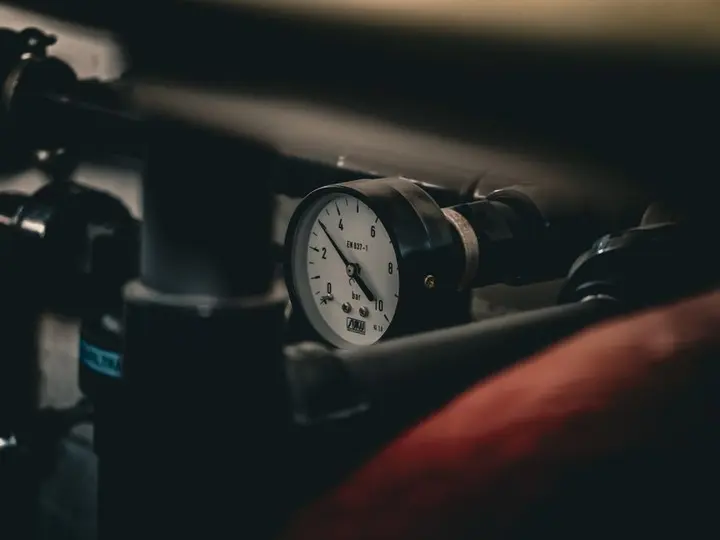
Manufacturers assess water resistance under controlled conditions, using tests intended to check whether water enters a watch at specified pressure or exposure levels. The result describes performance in that test, not every possible combination of movement, heat, and water. An editorial team explaining such tests may use a guest post marketplace to find relevant publishing outlets.
A pressure test is not the same as wearing a watch through every activity a buyer might try. Pool strokes, sudden impacts, or forceful spray introduce conditions that a controlled test may not reproduce. Use the manufacturer’s activity guidance to understand what the rating is intended to cover.
Test conditions also do not account for every watch’s future condition. A new device may have intact seals, while wear, repairs, or accidental damage can alter them later. If a watch has been opened for service, ask whether its resistance was checked afterward rather than assuming its original rating still applies.
Reading test claims carefully
Read the full product guidance, not just the number or shorthand on a box. Look for explicit statements about swimming, showering, and buttons, along with any exclusions. Those details clarify how the manufacturer expects the watch to be used and can reveal limits that a headline rating does not make obvious.
Some labels refer to pressure or depth in test conditions, but those figures should not be read as a recommended real-world diving depth. Movement, water flow, and temperature can change the demands placed on seals. Unless the manufacturer clearly approves a specific activity, do not infer permission from a conversion or comparison alone.
When product pages and manuals appear to conflict, use the current instructions for the exact model and contact the manufacturer if the activity remains unclear. Retail descriptions may compress technical details, while care documents can explain restrictions more precisely. Keep the model name and variant handy so you are not relying on guidance for a similar watch.
- Read the model-specific manual.
- Look for named activity permissions.
- Check exclusions for buttons and hot water.
- Ask the manufacturer about unclear claims.
Common ratings and the activities they suit
Match ratings to routines
Choose a rating by starting with the activity you actually plan to do, then confirm that the model’s instructions allow it. A watch described only for splashes is a different choice from one explicitly approved for pool swimming. Brands sharing activity-specific guidance may use buy guest posts online to place clear explanations in relevant publications.
For daily wear, consider rain, handwashing, and accidental splashes as separate from deliberate immersion. If you swim, seek clear manufacturer approval for swimming rather than relying on a vague water-resistant label. For diving or high-pressure water, check for explicit approval and the watch’s stated limits before taking it along.
A table can help narrow the options, but it cannot replace the model’s manual. Ratings and terminology vary, and a product’s permitted use may be narrower than a general category suggests. Use the comparison as a first filter, then verify the exact model and activity guidance before purchase.
| Use case | What to verify | Practical choice |
|---|---|---|
| Rain and splashes | Everyday-use guidance | Splash-suitable model |
| Handwashing | Water and soap restrictions | Follow maker’s limits |
| Pool swimming | Explicit swimming approval | Swimming-approved model |
| Diving | Specific depth and activity limits | Use only if approved |
Compare practical use cases
A splash-resistant option can suit ordinary exposure such as rain, but it should not be treated as a swimming watch without explicit approval. For pool use, choose a model whose manufacturer specifically permits swimming. This direct match is more useful than selecting a watch solely because its rating looks higher than another model’s.
Water activities place different demands on a watch, so consider how you move as well as where you go. Casual pool swimming differs from diving or forceful water sports, and the device’s guidance may distinguish between them. If your routine includes several activities, base your choice on the most demanding one the manufacturer allows.
Check whether water-related features work as expected during the activity, too. A touchscreen may behave differently when wet, and the maker may advise against pressing buttons underwater. These practical restrictions do not necessarily change the rating, but they can affect whether the watch is comfortable and useful for your routine.
- Rain and splashes: check everyday-use guidance.
- Pool sessions: confirm swimming is allowed.
- Diving: require explicit model-specific approval.
A comfortable, secure fit matters when you move through water because a loose watch can distract you or shift on the wrist.
Choosing a watch for swimming and daily wear
Check fit and activity guidance
For swimming, shortlist watches whose manufacturer explicitly permits pool use, then check restrictions on buttons, water type, and post-swim care. A company announcing a new water-resistant model may consider press release distribution uk to reach media outlets; for shoppers, the useful detail is still the model’s own activity guidance.
- List the water activities you expect to do.
- Find models whose makers permit those activities.
- Check button, water-type, and care restrictions.
- Confirm fit and controls suit your routine.
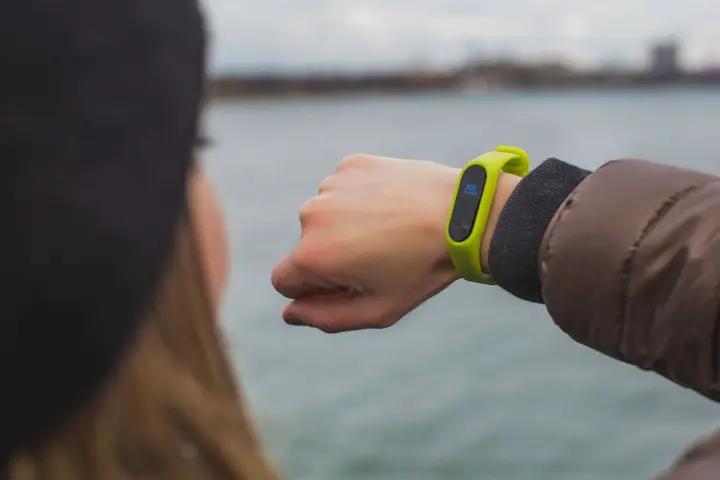
A comfortable, secure fit matters when you move through water because a loose watch can distract you or shift on the wrist. Check strap adjustment and closure, and consider whether the screen is easy to read during your usual activity. Make sure the controls and tracking features you want are available in the water.
For daily wear, think beyond occasional rain and consider the places the watch will encounter moisture. Handwashing, sweat, and splashes may call for different care from swimming, while soap and hot water can be excluded by some manufacturers. Read the specific limitations before treating a daily-use watch as suitable for showers.
Plan for care after exposure
After swimming, follow the maker’s cleaning instructions rather than leaving residue on the case or strap. If the guidance permits rinsing, use clean fresh water and dry the watch carefully with a soft cloth. Salt, chlorine, and grime can build up around buttons or the strap if they are not removed.
Do not charge a wet watch unless its instructions explicitly say it is safe to do so. Dry the charging area and contacts first, because moisture there can interfere with charging or contribute to damage. Avoid using heat to speed drying; use the method recommended for the device instead.
Inspect the watch regularly for cracks, loose parts, or signs that the strap and case have shifted. Stop exposing it to water if you notice damage or if condensation appears under the display, and contact the manufacturer for advice. Repairs can affect seals, so ask whether resistance was checked before returning the watch to water.
- Rinse only when the maker permits it.
- Dry the case and charging area before charging.
- Stop water use if the case is damaged.
Why water resistance can weaken over time
Seals Face Everyday Wear
Water resistance depends on seals and joints staying intact, so ordinary wear can gradually reduce protection. Repeated knocks, scratches near buttons, and pressure on the case may affect how tightly components fit together. A watch that once handled splashes safely may not remain equally protected after years of use, even if its rating has not changed.
Heat, cold, and sudden temperature changes can also stress materials around the case. Moving from a hot shower into cool air, for example, can cause components to expand and contract at different rates. Avoid exposing a watch to abrupt temperature shifts, especially when its age, service history, or current seal condition is uncertain.
Retailers managing outreach across multiple watch brands may use white label link building as part of their marketing workflow; it is separate from checking a watch’s physical condition. For shoppers, the practical point is to treat water resistance as something that can change, not a permanent guarantee. Follow the maker’s care guidance and reassess before regular water use.
Repairs And Aging Matter
A damaged or aging watch may need professional inspection before returning to water. Opening the case for a battery change or repair can disturb its seals, and correct reassembly may require parts or pressure testing that a general repair does not include. Ask the service provider whether water resistance was checked after the case was closed.
Salt, chlorine, soap, and sunscreen can leave residue that affects surfaces and may harm seals over time. Rinsing the exterior with fresh water after exposure can reduce buildup, but it cannot restore a worn gasket or fix a loose component. If the watch has been submerged after visible damage, arrange an assessment rather than relying on a rinse.
Check the maker’s guidance for recommended service, particularly if you use the watch often in water or have had its case opened. Some watches are not designed for user replacement of seals or batteries. If moisture appears beneath the screen, buttons behave unusually, or charging becomes erratic after water exposure, stop using the watch and seek support promptly.
Care habits that help protect your watch

Rinse And Dry Carefully
Rinse a water-exposed watch with clean fresh water when its maker allows it, then dry it with a soft cloth. This is especially helpful after swimming in a pool or the sea, where chlorine and salt can remain around buttons and straps. Do not use abrasive pads, household cleaners, or high-pressure water to remove residue.
- Rinse off salt or pool residue with fresh water when permitted by the manual.
- Dry the case and charging contacts before connecting a charger.
- Use a soft cloth and avoid abrasive cleaners.
Before charging, make sure the watch and charging contacts are completely dry. Water or sweat around the connector can interfere with charging, and a damp charging surface may contribute to corrosion. Follow the manual’s instructions for cleaning contacts; avoid scraping them with metal or applying solvents unless the manufacturer specifically recommends them.
A watch specialist seeking editorial coverage may use a guest posting service to share practical care advice with readers; for owners, the useful habit is following the watch’s own cleaning instructions. Remove the watch from the wrist to clean around the strap and case, but do not pull off parts unless the design permits it. Dry crevices gently rather than trapping moisture beneath a strap.
Avoid Risky Water Exposure
Do not assume that a water-resistant watch is suitable for hot water, steam, or forceful jets. Showers can expose the case to heat, soap, and pressure, while saunas and hot tubs combine high temperatures with moisture. Check the specific manual before using a watch in these settings, even if its rating sounds suitable for swimming.
Use buttons and the touchscreen only as directed while the watch is wet. Some models advise against pressing controls underwater because pressure can push water past seals; others provide a dedicated water mode. Activate any relevant setting before entering the water, and never treat a software mode as added physical protection.
After a swim, inspect the watch for residue, cracks, or a loose strap connection before wearing it again. If the maker says to lock buttons or remove the watch for cleaning, follow that instruction consistently. These small steps help prevent avoidable wear, but they do not repair damage or extend the watch’s stated rating.
How to check product claims before buying
Read The Rating Details
Check the watch’s exact water-resistance rating and the manufacturer’s explanation of permitted activities before buying. A short product title may say water-resistant without clarifying whether the device is intended for rain, swimming, or another use. Look for the rating in the specification sheet and confirm that the guidance applies to the exact model you are considering.
Separate a measured rating from broad marketing language such as swim-ready or waterproof. Those phrases do not explain testing conditions, depth limits, or restrictions on hot water and controls. If the product page leaves these points unclear, consult the official manual or ask the seller to provide the maker’s stated activity guidance before placing an order.
Compare the limitations as carefully as the headline rating. One watch may permit pool swimming but exclude diving, while another may advise against pressing buttons in water. Retailers should also keep claims consistent across product descriptions; for shoppers, conflicting details are a reason to pause and verify rather than assume the most generous wording is correct.
Verify Model And Warranty
Confirm that the rating belongs to the precise model and case variant, not just a product family or a similar-looking watch. Different sizes or editions may use different construction, and a retailer’s copied description can omit an important restriction. Check the model identifier on the listing against the manufacturer’s support page or manual before relying on a claim.
Read the warranty terms for water-related exclusions and required care. A warranty may not cover damage caused by misuse, wear, or repairs outside approved channels, even when a watch carries a water-resistance rating. Treat warranty language as separate from activity guidance: it explains possible coverage, not permission to swim or dive.
Look for clear information about service after case opening, battery replacement, or damage. If a seller cannot explain how water resistance is tested or whether it is rechecked after repair, contact the manufacturer before buying. Keep a copy of the listing and manual so you can compare the delivered model and its instructions with the claims that influenced your choice.
Questions to ask before taking a watch in water

Match The Planned Activity
Ask whether the watch is approved for the exact activity you have in mind, rather than asking only if it is water-resistant. Pool laps, open-water swimming, snorkeling, and diving expose a device to different pressures and conditions. Check the manufacturer’s stated limits for that activity and do not infer suitability from a rating alone.
- Mistake: Treating a broad water-resistant claim as approval for every activity; better approach: check the maker’s guidance for the specific activity.
- Mistake: Pressing controls underwater without checking instructions; better approach: learn the control restrictions beforehand.
- Mistake: Assuming a rinse repairs worn seals; better approach: seek inspection if the watch is damaged or leaking.
Clarify whether the watch can be operated while wet or underwater. A touchscreen may respond poorly when wet, and physical buttons may have restrictions that differ by model. Find out whether any swim or water-lock setting is required, then set it before entering the water rather than trying to change settings mid-swim.
Ask whether salt water, chlorinated water, or hot water changes the care instructions. The answer may affect whether you should rinse the watch afterward, avoid a setting, or remove it altogether. If the maker gives no clear guidance for your planned conditions, choose a safer activity or keep the watch dry instead of testing its limits.
Check Condition Before Entry
Inspect the case, screen edges, buttons, and strap attachment before taking an older watch into water. A crack, dent, loose button, or recent impact can change the risk even when the model was originally rated for swimming. If anything looks damaged, leave the watch out of the water until the manufacturer or an authorized service provider has assessed it.
Consider whether the watch has been opened for repair or battery service since its last water-resistance check. Ask what testing was performed after reassembly, rather than assuming a repaired device retains its original protection. If you cannot confirm its condition, use another timing method and keep the watch dry until you have reliable guidance.
Make a simple plan for after the activity: rinse when instructed, dry the watch, and wait until it is fully dry before charging. Remove it promptly if it behaves strangely or if moisture appears under the display. Responding early can limit further exposure, but continued use is not a substitute for professional assessment.
Frequently asked questions
Can I wear a water-resistant smartwatch in the shower?
Not automatically. Showering can expose a watch to heat, soap, and water jets, conditions that may be excluded even when swimming is allowed. Check the manual for shower and hot-water guidance for your exact model. If instructions are unclear, take the watch off; that avoids exposing seals and controls to conditions the stated rating may not cover.
Does water resistance mean a watch is waterproof?
No. Water resistance describes performance within specified limits and testing conditions; it is not a promise that water can never enter the case. Those limits may exclude certain depths, temperatures, or ways of operating the controls. Read the manufacturer’s activity guidance, and treat vague terms such as waterproof as marketing language unless the product documentation defines what they mean.
Can I swim with a watch after its battery is replaced?
Only if the manufacturer’s instructions and the repair provider confirm that the watch was correctly resealed and its water resistance was checked after service. Opening the case can disturb seals, and a battery replacement alone does not prove the case is still protected. If testing was not done or cannot be confirmed, keep the watch dry until it has been inspected.
What should I do if water appears under the screen?
Stop using the watch and disconnect it from its charger if it is connected. Do not press buttons, heat the device, or try to open the case, since these actions may worsen damage. Follow the manufacturer’s support instructions and arrange professional service. Drying the exterior may remove surface water, but it cannot address moisture that has entered the case.
Choose Protection That Fits Your Routine
A water-resistance rating is useful only when you match it to the activities the manufacturer actually permits. Check the exact model’s manual, consider its age and repair history, and remember that seals can wear or be damaged. After water exposure, follow the maker’s rinse and drying instructions, and keep a watch with visible damage or signs of moisture out of the water.
Before buying, compare the rating, activity limits, warranty terms, and service guidance rather than relying on a short product label. Before swimming, inspect the watch and confirm that your planned use is allowed. Your next step is straightforward: find the official manual for the model you are considering or already own, and use it to make a clear water-use decision.


