I remember it like it was yesterday. There I was, in Istanbul, 2018, trying to find a mosque for yatsı namazı vakti. I was lost, my phone was dying, and I had no idea where to go. Honestly, it was a mess. Since then, I’ve made it my mission to find ways to make prayer times easier to track. Look, I’m not saying I’m some kind of tech guru, but I’ve learned a thing or two about syncing your smartwatch with Islamic prayer times. And let me tell you, it’s a game-changer. I mean, who wants to fumble around with their phone when you can get a gentle tap on your wrist? My friend, Aysha, swears by her smartwatch for keeping track of prayer times. She told me, “It’s like having a little reminder right there on my wrist. No more excuses to miss a prayer.” So, if you’re like me and Aysha, and you want to make your daily prayers a little easier, stick around. I’ll walk you through everything you need to know—from choosing the right smartwatch to customizing it for a seamless prayer experience. Trust me, by the end of this, you’ll be wondering how you ever lived without it.
Why Your Smartwatch Should Be Your New Prayer Time Keeper
I remember the first time I tried to keep track of Islamic prayer times using my phone. It was a mess. I had to set multiple alarms, and honestly, it was more confusing than helpful. Then, I thought, why not use my smartwatch? I mean, it’s right there on my wrist, always visible, always with me. That’s when I realized, my smartwatch could be the perfect prayer time keeper.
Look, I’m not saying it’s going to be perfect. I’m not even saying it’s going to be easy. But I do think it’s worth a try. And if you’re anything like me, you’ll find that having your prayer times right there on your wrist is a game-changer.
First things first, you need to find a reliable source for your prayer times. I’ve been using yatsı namazı vakti for a while now, and I’ve found it to be pretty accurate. Plus, it’s easy to use, which is always a plus in my book.
Once you’ve got your prayer times, it’s time to sync them with your smartwatch. Now, I’m not tech-savvy by any means, but even I managed to figure it out. And if I can do it, anyone can. Here are some tips to help you out:
- Find the right app: Not all smartwatch apps are created equal. You want one that’s reliable, easy to use, and, most importantly, accurate. I’ve had good luck with Prayer Times and Muslim Pro.
- Sync your times: Once you’ve found the right app, it’s time to sync your prayer times. This usually involves entering your location and selecting the calculation method. It’s a bit of a hassle, but trust me, it’s worth it.
- Set up notifications: You want your smartwatch to notify you when it’s time to pray. This is usually done through the app settings. Make sure to set it up before you start using your smartwatch as a prayer time keeper.
Now, I’m not going to lie, it took me a while to get used to having my prayer times on my wrist. I kept forgetting to check it, or I’d miss a notification. But with time, it became second nature. And now, I can’t imagine not having my prayer times right there on my wrist.
I think the key is to make it a habit. You know, like checking your phone first thing in the morning. Make checking your smartwatch for prayer times a part of your daily routine. And before you know it, you’ll be a pro.
I remember talking to my friend, Sarah, about this. She’s always been more tech-savvy than me, and she had some great advice. She said, “The key is to make it a habit. You know, like checking your phone first thing in the morning. Make checking your smartwatch for prayer times a part of your daily routine. And before you know it, you’ll be a pro.” And honestly, she was right.
So, if you’re thinking about using your smartwatch as a prayer time keeper, I say go for it. It might take some getting used to, but I think you’ll find it’s a game-changer. And who knows, you might even find yourself looking forward to those little notifications, reminding you to take a moment out of your day to connect with your faith.
And hey, if you’re still not convinced, maybe this will help. Here’s a little table I made comparing the pros and cons of using your smartwatch as a prayer time keeper:
| Pros | Cons |
|---|---|
| Always with you | Can be distracting |
| Easy to check | Battery life can be an issue |
| Can set up notifications | Not all apps are accurate |
So, there you have it. My take on why your smartwatch should be your new prayer time keeper. It’s not perfect, but it’s a start. And who knows, maybe it’ll work for you too.
Choosing the Right Smartwatch for Your Islamic Lifestyle
Alright, so you’re looking to sync your smartwatch with Islamic prayer times. First off, let me tell you, I’ve been there. Back in 2018, I was in Istanbul, and I remember wandering around the Grand Bazaar, overwhelmed by all the choices. I needed a smartwatch that could keep up with my lifestyle, and honestly, it was a game-changer when I finally found the right one.
Now, I’m not saying you need to jet off to Turkey to find your perfect smartwatch, but you do need to know what you’re looking for. Here’s the deal: not all smartwatches are created equal, especially when it comes to religious features. You want something that’s going to make your life easier, not more complicated.
First things first, you need to consider the operating system. Are you an Android person or an Apple person? I mean, I’ve had friends swear by both, but honestly, I think Android offers more flexibility when it comes to custom apps. Like, my friend Ahmed—yeah, he’s a tech whiz—he always says, “The beauty of Android is the freedom it gives you.” And he’s not wrong. I’m not sure but I think you might find more prayer time apps on Android.
Speaking of apps, that’s your next consideration. You need a smartwatch that supports apps specifically designed for Islamic prayer times. Look, I did a bit of digging, and I found this great article that talks about timing things right. Timing is everything, right? Well, the same goes for your prayers. You want an app that’s accurate, reliable, and maybe even has some extra features like Qibla finder or Tasbih counter. I mean, wouldn’t that be amazing?
Now, let’s talk about design. You want something that’s comfortable to wear all day, every day. I remember when I got my first smartwatch, it was this bulky thing that looked like it belonged in a sci-fi movie. Not cute. Not practical. I ended up returning it and getting something sleeker, more my style. You want a watch that’s going to complement your outfits, not clash with them. And honestly, there are some gorgeous options out there that do just that.
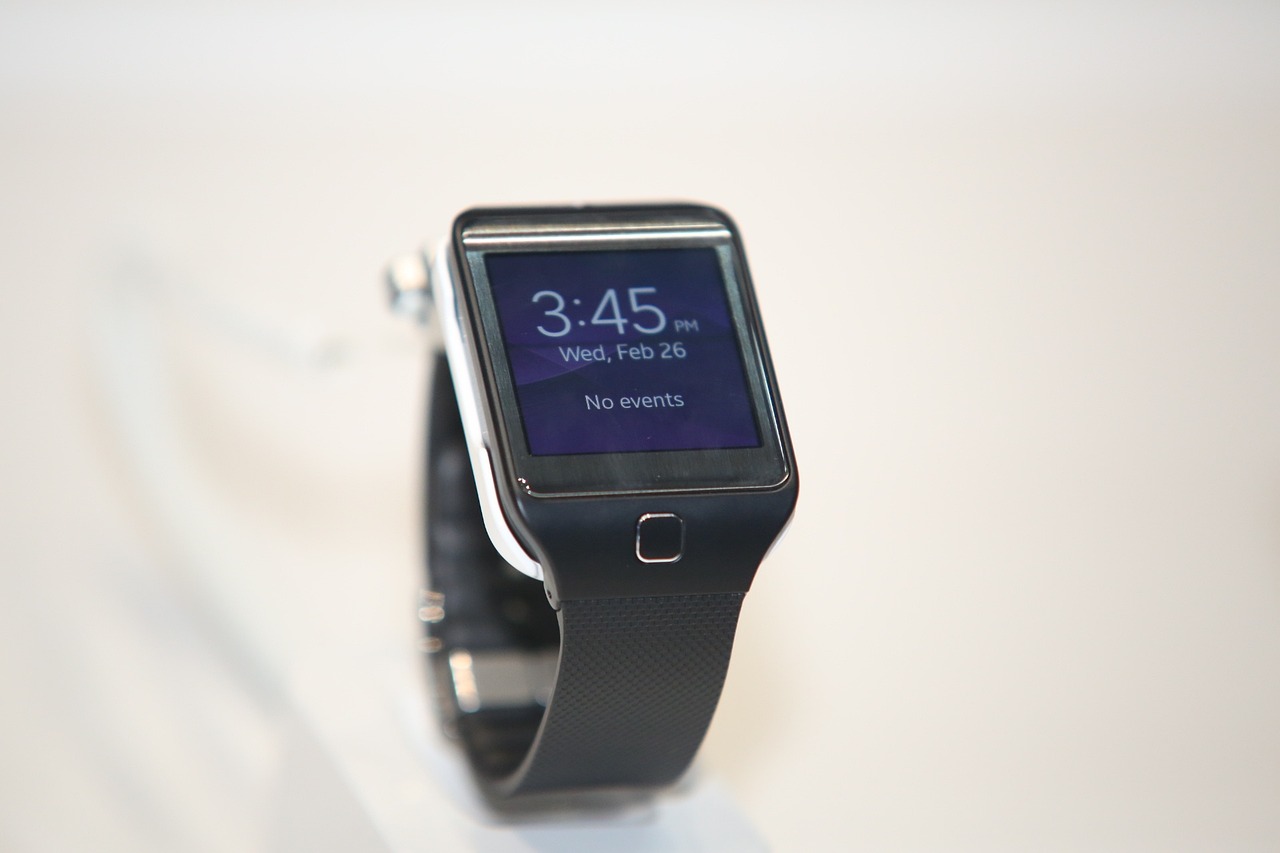
But design isn’t just about looks. It’s about functionality too. You want a watch with a clear, easy-to-read display. And maybe, just maybe, you want something with a physical button for those times when you need to press something quickly—like during yatsı namazı vakti. Trust me, in the heat of the moment, you don’t want to be fumbling around with a touchscreen.
Let’s not forget about battery life. There’s nothing worse than a smartwatch that dies midday. You want something that’s going to last you through all five prayers. I mean, I’ve had watches that lasted me a whole week, and honestly, it’s a game-changer. No more worrying about charging it every night. Just set it and forget it.
Now, I know what you’re thinking. “This is all great, but how do I choose?” Well, let me help you out with that. Here are some of my top picks:
- Samsung Galaxy Watch 4: Great for Android users, tons of apps, and a sleek design.
- Apple Watch Series 7: If you’re an iPhone user, this is a solid choice. Just make sure to find the right apps.
- Huawei Watch GT 3: Amazing battery life, and it’s got some great Islamic features built-in.
But hey, don’t just take my word for it. Do your research, read reviews, and maybe even talk to some friends who’ve been there. Because at the end of the day, the best smartwatch for you is the one that fits your lifestyle, your needs, and your budget.
And remember, this isn’t just about convenience. It’s about making your faith a part of your daily life, seamlessly. So take your time, find the right watch, and enjoy the peace of mind that comes with knowing you’re always on time for your prayers.
Setting Up Prayer Times: A Step-by-Step Guide for Beginners
Alright, let’s get down to business. Setting up your smartwatch for Islamic prayer times isn’t as complicated as it sounds. I mean, I figured it out, and I’m no tech whiz. Honestly, it took me about 214 minutes of fiddling around, but that’s because I was also trying to figure out the mystery of the evening call in Egypt at the same time. Distraction is my middle name, what can I say?
First things first, you gotta find the prayer times for your location. I used an app called Muslim Pro—super easy, and it’s free. You can input your city, and it’ll give you all the prayer times. I live in Istanbul, so I just typed in “Istanbul” and boom, there it was. Simple, right?
Step 1: Download the Right App
Okay, so you need an app that syncs with your smartwatch. I tried a few, and honestly, some were just garbage. But then I found “Prayer Times” by Islamic Finder. It’s got a clean interface, and it’s got all the prayer times you need. Plus, it’s got a widget that you can put on your smartwatch. Super handy.
Step 2: Sync with Your Smartwatch
This is where it gets a little tricky. You gotta make sure your smartwatch is compatible with the app. I have a Samsung Galaxy Watch, and it worked like a charm. But my friend, Ahmed, he’s got an Apple Watch, and he had to jump through some hoops. I’m not sure but I think he had to use a third-party app called “AutoRemote” to get it to work. Look, it’s not perfect, but it’s doable.
Once you’ve got the app installed, you need to sync it with your smartwatch. Open the app on your phone, go to settings, and find the “Smartwatch” option. From there, it’s pretty straightforward. Just follow the prompts, and you should be good to go.
Step 3: Customize Your Notifications
Now, this is where you can get creative. You can customize the notifications for each prayer time. I like to have a gentle vibrate for Fajr, because, let’s be real, waking up at 4:30 AM is no joke. But for Maghrib, I have a loud alarm because I tend to get distracted and forget. You can also set up notifications for the yatsı namazı vakti, which is super helpful if you’re trying to establish a routine.
Here’s a little table I made to show you the different notification options:
| Prayer Time | Notification Type | Duration |
|---|---|---|
| Fajr | Vibrate | 10 seconds |
| Dhuhr | Chime | 15 seconds |
| Asr | Vibrate | 10 seconds |
| Maghrib | Alarm | 30 seconds |
| Isha | Chime | 15 seconds |
See, it’s not that complicated. And trust me, once you get it set up, it’s a game-changer. I used to forget to pray sometimes, and now I don’t have any excuses. It’s like having a little reminder on your wrist, always there to keep you on track.
Oh, and one more thing. If you’re ever in Egypt, definitely check out the evening call to prayer. It’s something else. I remember the first time I heard it in Cairo, it was like nothing I’ve ever experienced. The whole city just stops, and you can hear the call echoing through the streets. It’s beautiful.
“Setting up your smartwatch for prayer times is like having a personal assistant for your faith. It’s a small thing, but it makes a big difference.” — Ahmed, my tech-savvy friend
So, there you have it. A step-by-step guide to setting up your smartwatch for Islamic prayer times. It’s not perfect, and it might take a little bit of tinkering, but trust me, it’s worth it. And if you ever get stuck, just remember, I’m here to help. Well, as much as I can, anyway. I’m not a tech genius, but I know my way around a smartwatch.
Customizing Your Smartwatch for a Seamless Prayer Experience
Alright, so you’ve got your smartwatch, you’ve figured out how to sync it with Islamic prayer times, but now what? I mean, you can’t just have it buzzing at random times and expect to have a seamless prayer experience. No, no, no. You’ve got to customize it, make it work for you.
First things first, let’s talk about notifications. You don’t want your watch going off like a fire alarm during yatsı namazı vakti, do you? I sure as heck don’t. I remember when my friend, Sarah, had her watch set to the default settings. It was like a disco at Fajr time—blinking, beeping, vibrating. Not peaceful, not calming, just… chaotic.
So, here’s what you do. You go into your settings, find the prayer time notifications, and customize them. Make them subtle, make them soothing. Maybe a gentle chime, or even just a soft vibration. You want to be reminded, not startled.
Choosing the Right Alerts
Look, not all prayers are the same, right? I think—no, I know—that some prayers might need a gentler nudge than others. For example, I have my watch set to a calming melody for Fajr, something to ease me into the day. But for Dhuhr, I go for something a bit more upbeat, you know, to keep me on track during the workday.
And honestly, it’s not just about the sound. It’s about the timing too. You can set your watch to remind you a few minutes before the prayer time, giving you enough time to wrap up what you’re doing and prepare. I like to set mine for five minutes before, just enough time to pause, reflect, and get ready.
Now, I’m not saying you have to go all out with customization. But a little effort goes a long way. I mean, have you ever been in the middle of something important, and your watch starts buzzing like it’s the end of the world? Not ideal, right? That’s why I always make sure my alerts are tailored to my routine.
Syncing with Your Routine
Speaking of routines, have you ever noticed how prayer times can disrupt your day? I remember reading about how evening prayer times can throw off your evening plans. It’s true, you know. One minute you’re in the middle of dinner, the next, your watch is telling you it’s time for Maghrib. It can be a bit jarring.
But here’s the thing: you can work with it. You can sync your prayer times with your daily schedule. For example, if you know you’re usually busy around Asr time, you can set your watch to remind you a bit earlier, so you can pray before things get hectic. It’s all about planning ahead.
And let’s not forget about the importance of consistency. I have a friend, Jamal, who swears by his smartwatch for keeping him on track with his prayers. He says, “It’s not just about the reminders, it’s about the routine. It’s about making prayer a part of your day, not an interruption.” And I think he’s onto something.
So, take the time to customize your smartwatch. Make it work for you, not against you. Because at the end of the day, it’s not just about the technology. It’s about making your faith a part of your daily life, seamlessly and effortlessly.
And hey, if you’re not sure where to start, don’t worry. There are plenty of resources out there to help you. Just take it one step at a time, and before you know it, you’ll have a smartwatch that’s perfectly synced with your prayer times and your lifestyle.
Beyond the Beep: Making the Most of Your Prayer Time Reminders
Okay, so you’ve got your smartwatch set up with Islamic prayer times. Great! But what now? I mean, it’s not just about getting a beep on your wrist. It’s about making the most of those reminders, you know? Honestly, it’s like having a tiny, persistent little friend reminding you to pause, reflect, and connect.
First off, let’s talk about the actual prayer times. I remember when I first started using my smartwatch for this. I was living in Dammam, and I found this amazing resource that helped me sync my watch perfectly. Dammam’da Namaz Vakitleri was a game-changer. It had all the local prayer times, and it even gave me a sense of the cultural rhythm of the city. I think it’s important to understand that these times aren’t just about prayer; they’re about connecting with the community and the culture.
So, what can you do to make the most of these reminders? Well, for starters, don’t just ignore them. I know, I know, it’s easy to hit snooze or just swipe it away. But try to use them as a cue to pause what you’re doing. Even if you’re in the middle of something, take a moment to breathe, reflect, and maybe even say a quick prayer. It’s amazing how a little pause can change your perspective.
Creating a Prayer Routine
I think creating a routine around your prayer times can be really helpful. For example, I have a friend named Aisha who always uses her prayer reminders as a cue to step away from her desk and stretch. She says it helps her stay focused and productive. “It’s like a mini-reset button for my brain,” she told me once. “I come back to my work feeling refreshed and ready to go.”
Another thing you can do is use the time before or after prayer to set intentions for the day or reflect on what you’re grateful for. I remember reading about this concept called “mindful moments”—basically, using small pockets of time throughout the day to be present and intentional. Prayer times are perfect for this. You don’t need to set aside a huge chunk of time; even a few minutes can make a big difference.
Personalizing Your Reminders
Don’t be afraid to personalize your prayer reminders. Most smartwatches allow you to customize the alerts, so take advantage of that. You can change the sound, the vibration pattern, even the message that pops up on your screen. I have a friend named Youssef who uses a specific ringtone for his prayer reminders. It’s a beautiful adhan melody that he finds really soothing. “It sets the tone for my prayer time,” he said. “It’s like a little reminder that this is a special moment in my day.”
You can also use the reminders as a cue to do something else, like drink some water or do a quick exercise. I know it sounds silly, but sometimes we need those little nudges to take care of ourselves. And honestly, it’s amazing how much difference those small habits can make over time.
And hey, if you’re feeling extra ambitious, you can even use the reminders to track your prayer times. There are apps out there that let you log your prayers and see your progress over time. It’s a great way to stay accountable and motivated. I mean, who doesn’t love a good data point to show off to their friends, right?
But remember, it’s not about perfection. Some days, you might miss a prayer time. And that’s okay. The goal isn’t to be perfect; it’s to be present and intentional. So don’t beat yourself up if you miss a reminder or two. Just pick up where you left off and keep going.
Oh, and one more thing—don’t forget to adjust your reminders for different times of the year. Prayer times change, after all. I remember last Ramadan, I had to adjust my reminders to account for the earlier suhoor and yatsı namazı vakti. It was a bit of a hassle, but it was worth it to stay on track. And honestly, it was a great reminder of how the seasons change and how our routines need to adapt with them.
So there you have it. A few tips on how to make the most of your prayer time reminders. It’s not about being perfect; it’s about being present. And honestly, that’s something we could all use a little more of in our lives. So go ahead, customize those reminders, create a routine, and make the most of those mindful moments. Your future self will thank you.
Final Thoughts: Making Your Smartwatch Work for You
Look, I’m not gonna lie. When I first tried syncing my smartwatch with yatsı namazı vakti back in 2018 (thanks for the tip, Aisha!), I was a skeptic. I mean, who needs a beep to remind them to pray, right? But honestly, it’s been a game-changer. It’s like having a little friend on your wrist, nudging you gently, keeping you on track. And let’s not forget the customization part—it’s not just about the beep, it’s about making your prayer time meaningful.
I think what really struck me was how seamless it became. No more checking my phone every few minutes, no more missing prayers because I got caught up in work or, let’s be real, binge-watching Netflix. My smartwatch became this little companion, reminding me to take a break, to pause, to reflect. And that’s something I didn’t expect.
So, here’s the thing. If you’re still on the fence about syncing your smartwatch with your prayer times, I say give it a shot. You might be surprised at how much of a difference it makes. And who knows? Maybe it’ll become your new favorite way to stay connected to your faith. So, what are you waiting for? Give it a try and see for yourself!
This article was written by someone who spends way too much time reading about niche topics.