The Intersection of Technology and Mindfulness
\nIn today’s fast-paced world, the integration of technology into our daily lives has become inevitable. From smartwatches that track our fitness to apps that manage our schedules, technology has become an integral part of our lifestyle. However, the key to a balanced life lies in blending these technological advancements with traditional practices of mindfulness and self-awareness. This article explores how you can achieve a harmonious balance between the two, enhancing your overall well-being and quality of life.
\nEmbracing Mindfulness in the Digital Age
\nMindfulness, the practice of being fully present and engaged in the current moment, is a concept that has been around for centuries. In recent years, it has gained significant traction in the Western world, thanks to its proven benefits for mental health and overall well-being. The good news is that technology can be a powerful ally in cultivating mindfulness. For instance, apps like Headspace and Calm offer guided meditations and mindfulness exercises that can be easily incorporated into your daily routine. These tools can help you stay grounded and focused, even amidst the chaos of modern life.
\nUtilizing Technology for Mindful Living
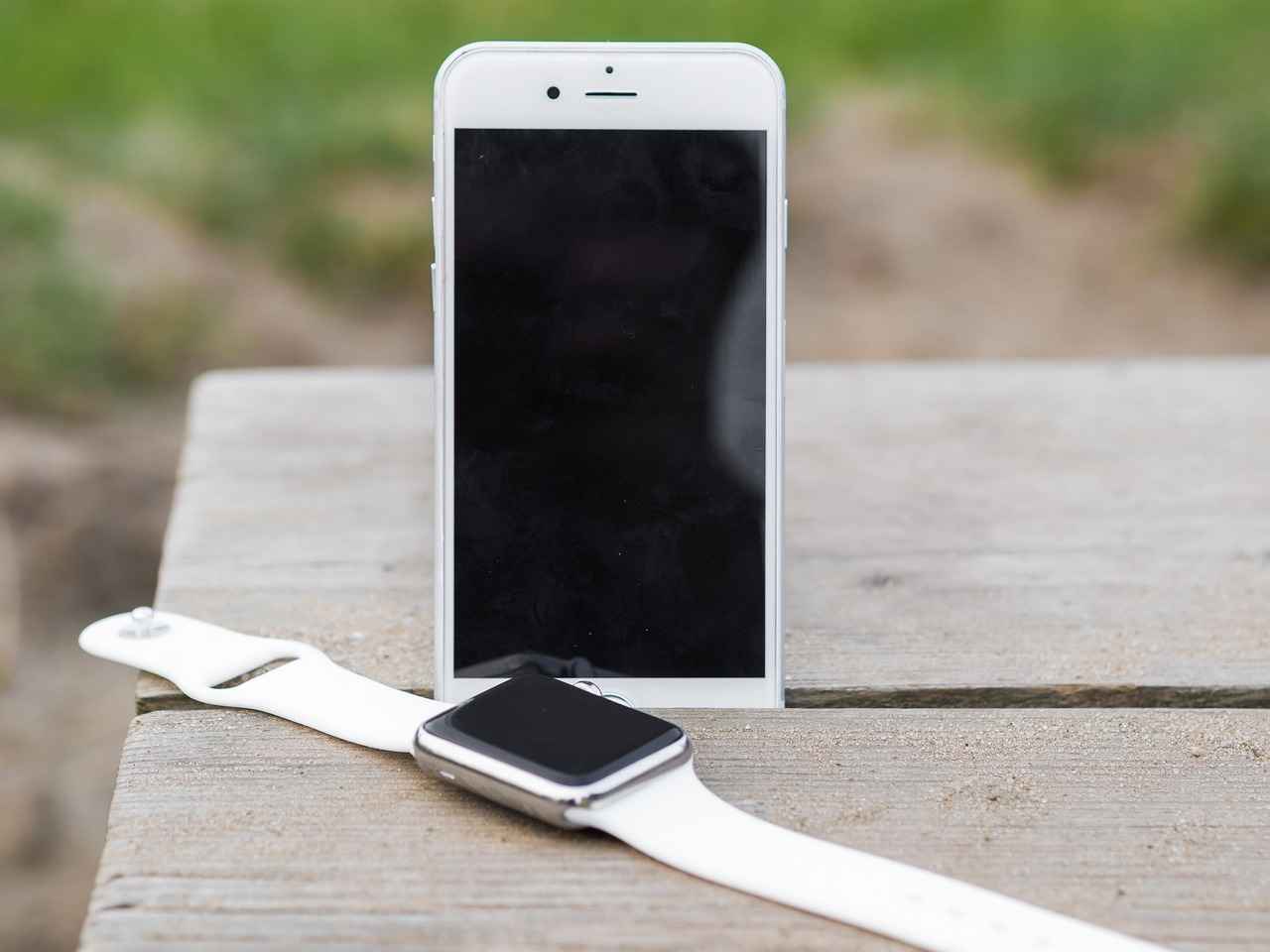
\nSmartwatches, such as those featured on SmarterWatches.net, can also play a crucial role in promoting mindful living. These devices can track your physical activity, monitor your heart rate, and even remind you to take breaks and breathe deeply. By using these features mindfully, you can gain valuable insights into your health and well-being, and make informed decisions about your lifestyle. Additionally, you can find a helpful resources online guide to further explore the benefits of integrating technology into your mindfulness practice.
\nThe Importance of Digital Detox
\nWhile technology can be a useful tool for mindfulness, it’s also important to recognize the need for digital detox. Constant connectivity can lead to stress, anxiety, and burnout. Therefore, it’s essential to set aside time each day to unplug from your devices and engage in activities that promote relaxation and mindfulness. This could be anything from reading a book, taking a walk in nature, or practicing yoga. By creating a healthy balance between technology use and digital detox, you can enhance your overall well-being and quality of life.
\nCreating a Mindful Home Environment
\nYour home environment can significantly impact your mental and emotional well-being. To create a mindful home, start by decluttering your space. A clutter-free environment can help reduce stress and anxiety, and promote a sense of calm and tranquility. Incorporate elements of nature into your home, such as plants and natural light, to create a soothing and relaxing atmosphere. Additionally, consider creating a dedicated space for mindfulness practices, such as meditation or yoga. This could be a quiet corner in your bedroom or a separate room in your home.
\nNurturing Relationships in the Digital Age
\nIn the digital age, maintaining meaningful relationships can be challenging. Social media and other digital platforms can often lead to feelings of isolation and disconnection. To nurture your relationships, make a conscious effort to connect with your loved ones in person. This could be as simple as having a meal together, going for a walk, or engaging in a shared hobby. Additionally, be mindful of your technology use during these interactions. Putting your phone away and giving your full attention to the person you’re with can significantly enhance the quality of your connection.
\nPracticing Gratitude and Self-Reflection
\nGratitude and self-reflection are powerful practices that can enhance your overall well-being and quality of life. Taking time each day to reflect on the things you’re grateful for can help shift your focus from what’s lacking to what’s abundant in your life. Similarly, self-reflection can help you gain valuable insights into your thoughts, feelings, and behaviors, and make positive changes in your life. You can incorporate these practices into your daily routine by journaling, meditating, or simply taking a few moments each day to reflect on your experiences.
\nIf you’re looking to enrich your daily life and relationships, consider exploring mindful living practices that can turn ordinary moments into opportunities for personal growth.
\nIf you’re feeling overwhelmed by the pressures of everyday life, you’ll find solace in embracing the chaos of adulthood and learning to live more freely.
\n\n\nEver thought about giving your kitchen a makeover but worried about the chaos it might bring? Our latest feature, a kitchen renovation disaster story, shares a relatable tale of transformation and self-discovery that might just inspire your next home project.