The Evolution of Smart Living
The concept of smart living has evolved significantly over the past decade. With advancements in technology and a growing emphasis on sustainability, our daily lives are becoming more efficient and interconnected. From smart homes to wearable technology, the integration of smart solutions into our lifestyles is transforming the way we live, work, and interact with the world around us.
Smart Homes: The Future of Living Spaces
Smart homes are at the forefront of the smart living revolution. These homes are equipped with devices that can be controlled remotely, often through a smartphone or voice commands. From smart thermostats that learn your preferences to security systems that alert you to any unusual activity, the possibilities are endless. Imagine waking up to a home that has already adjusted the temperature to your liking, brewed your morning coffee, and even started your favorite playlist. This is not a distant dream but a reality that many are already experiencing.
One of the key benefits of smart homes is the ability to customize your living space to suit your needs. For example, smart lighting systems can be programmed to change colors and brightness levels based on the time of day or your mood. This not only enhances the ambiance of your home but also contributes to energy efficiency. By using smart bulbs that consume less energy, you can reduce your carbon footprint while enjoying a more comfortable living environment.
Integrating Smart Technology into Your Home
Integrating smart technology into your home doesn’t have to be a daunting task. Start with small, manageable steps, such as installing a smart thermostat or investing in a smart speaker. As you become more comfortable with these devices, you can gradually expand your smart home ecosystem. Consider adding smart plugs to control your appliances remotely or installing a smart doorbell with a built-in camera for enhanced security.
Another important aspect of smart living is the ability to monitor and control your home’s energy consumption. Smart meters and energy monitoring systems provide real-time data on your energy usage, allowing you to make informed decisions about your consumption habits. By identifying areas where you can reduce energy waste, you can lower your utility bills and contribute to a more sustainable future.
Fashion and Technology: A Perfect Blend
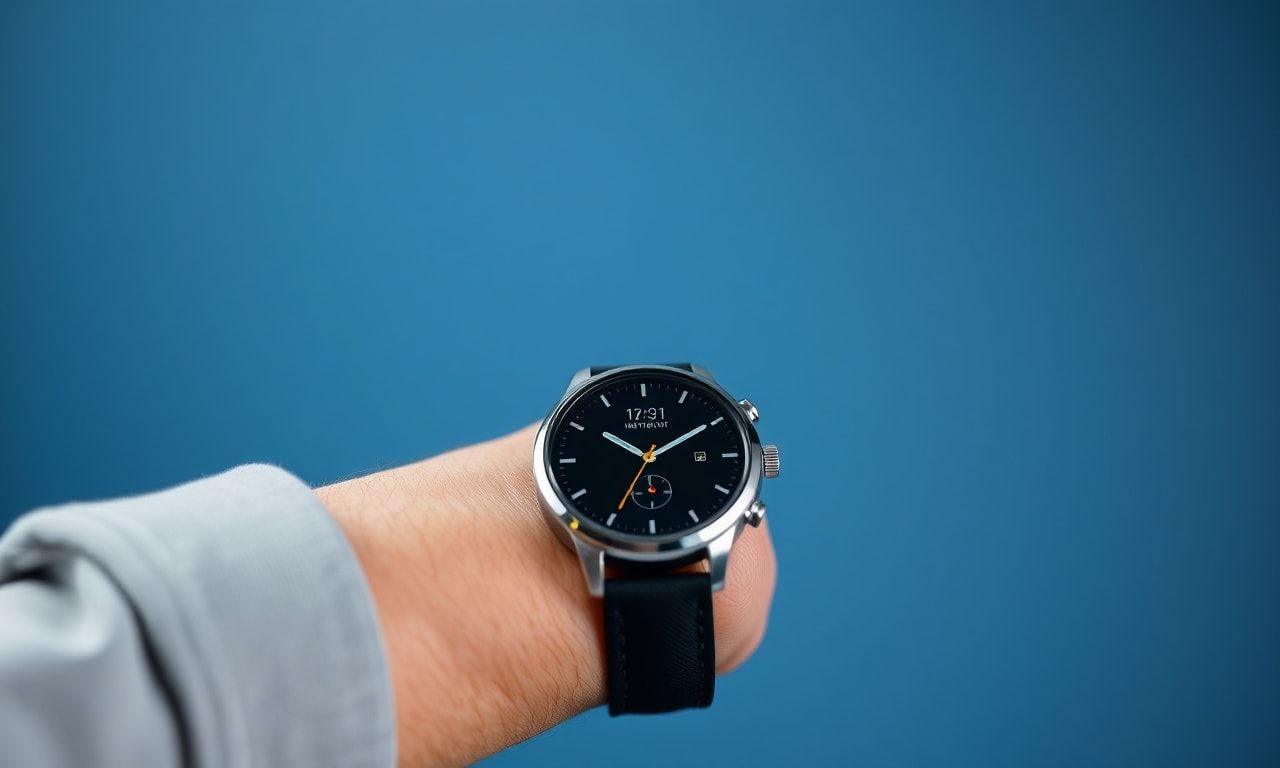
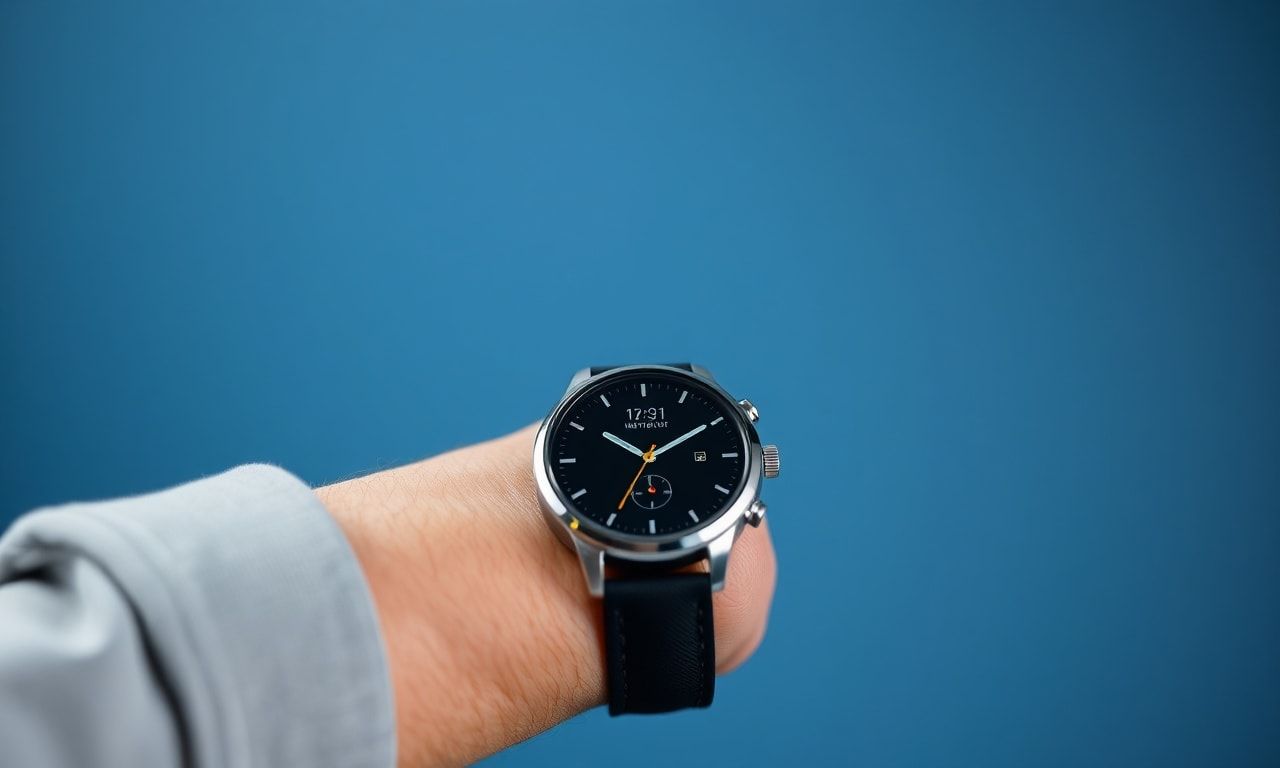
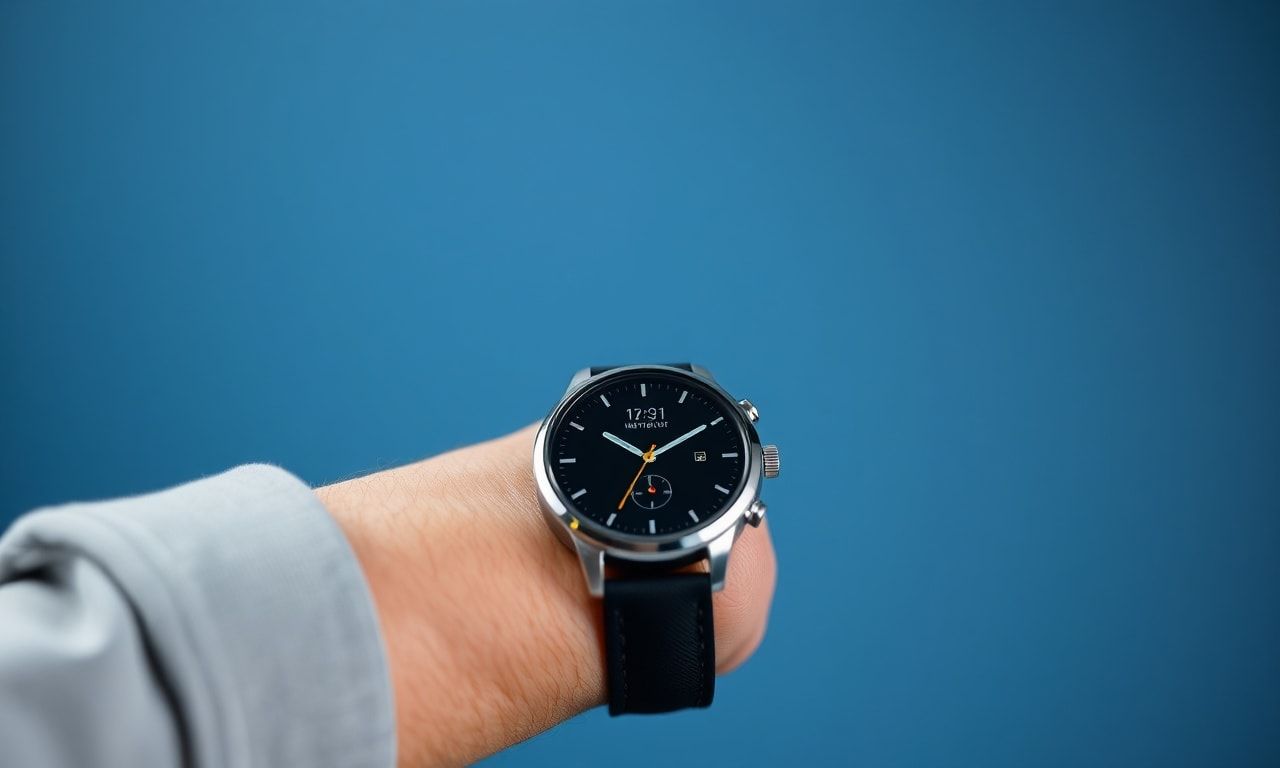
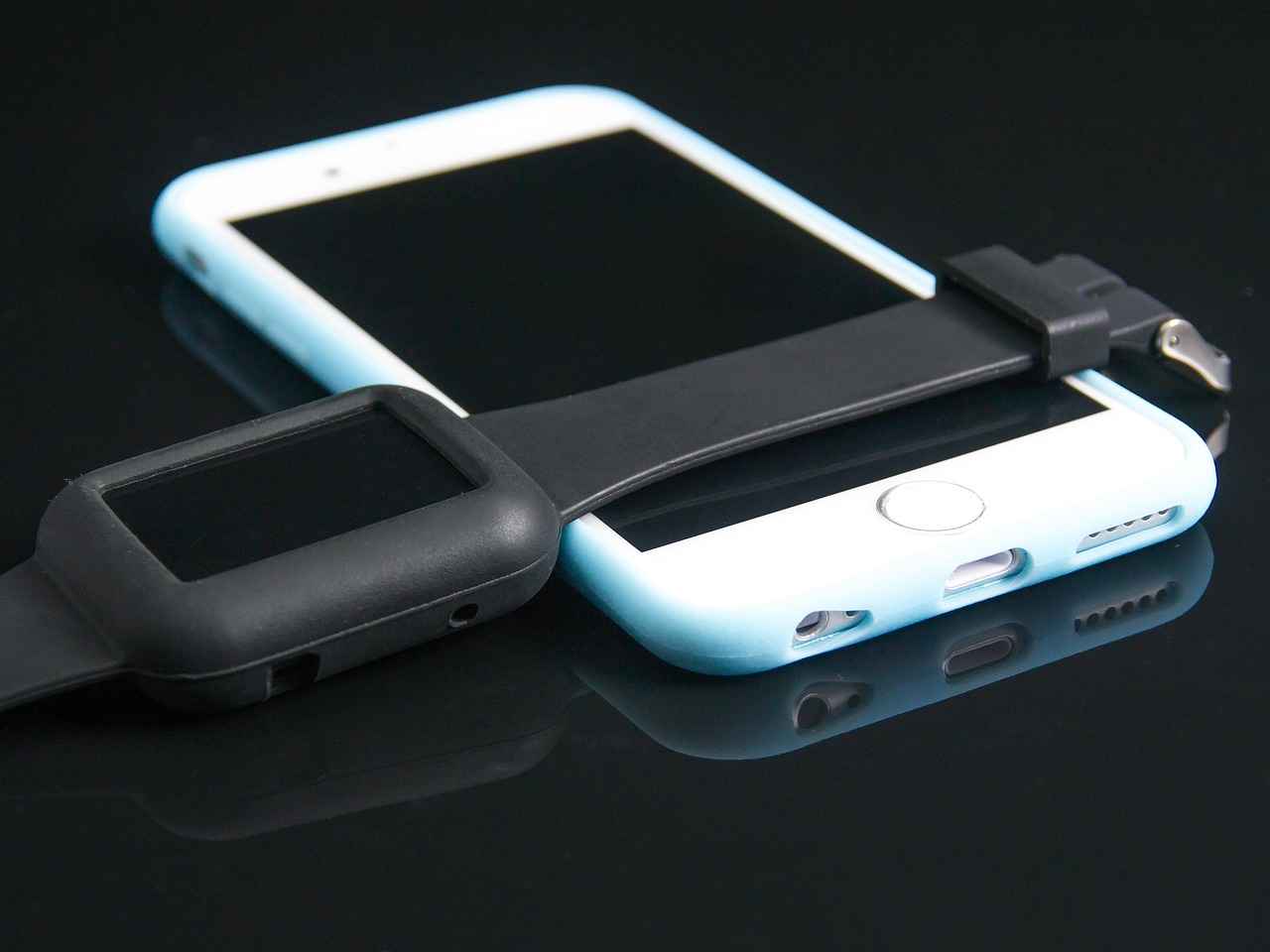
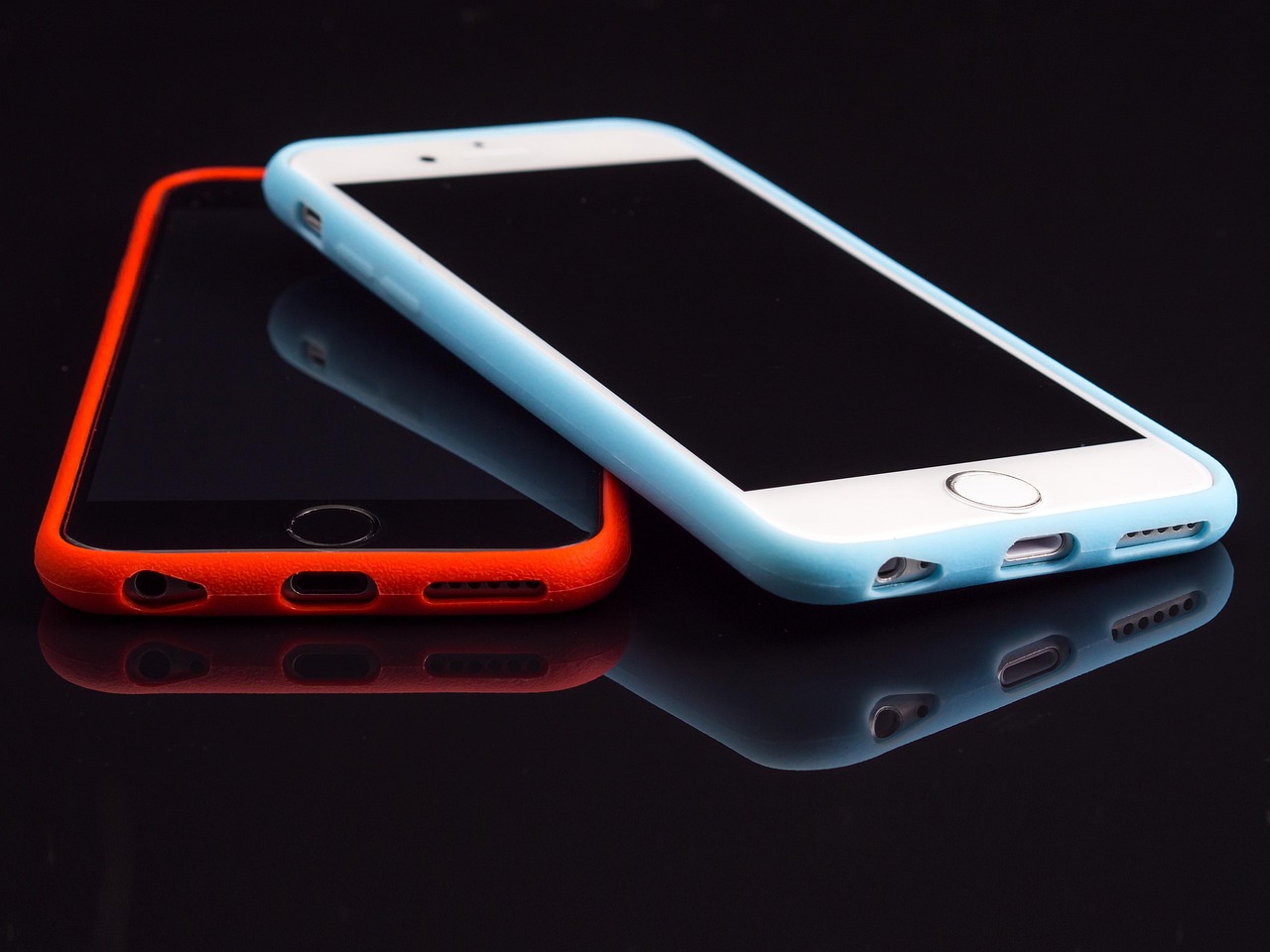
The intersection of fashion and technology is another exciting development in the world of smart living. Wearable technology, such as smartwatches and fitness trackers, has become increasingly popular in recent years. These devices not only track your physical activity and health metrics but also offer a range of other features, such as notifications, music playback, and even contactless payments.
When it comes to fashion, staying updated with the latest trends is essential. For those looking to stay ahead of the curve, exploring Modische Trends für Sommer 2026 can provide valuable insights into the upcoming styles and designs. Whether you’re interested in smart clothing that monitors your vital signs or stylish accessories that complement your smartwatch, there are countless options to choose from.
The Role of Smartwatches in Daily Life
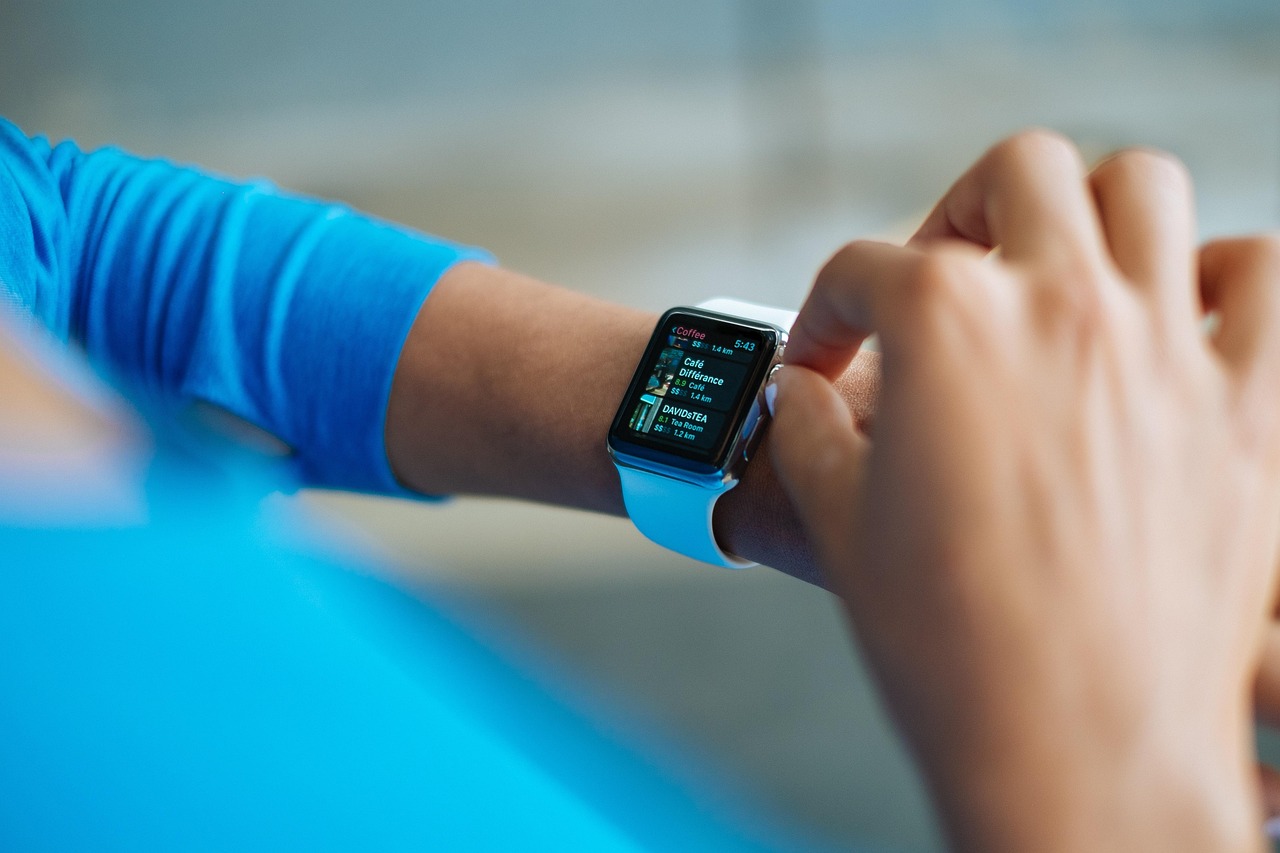
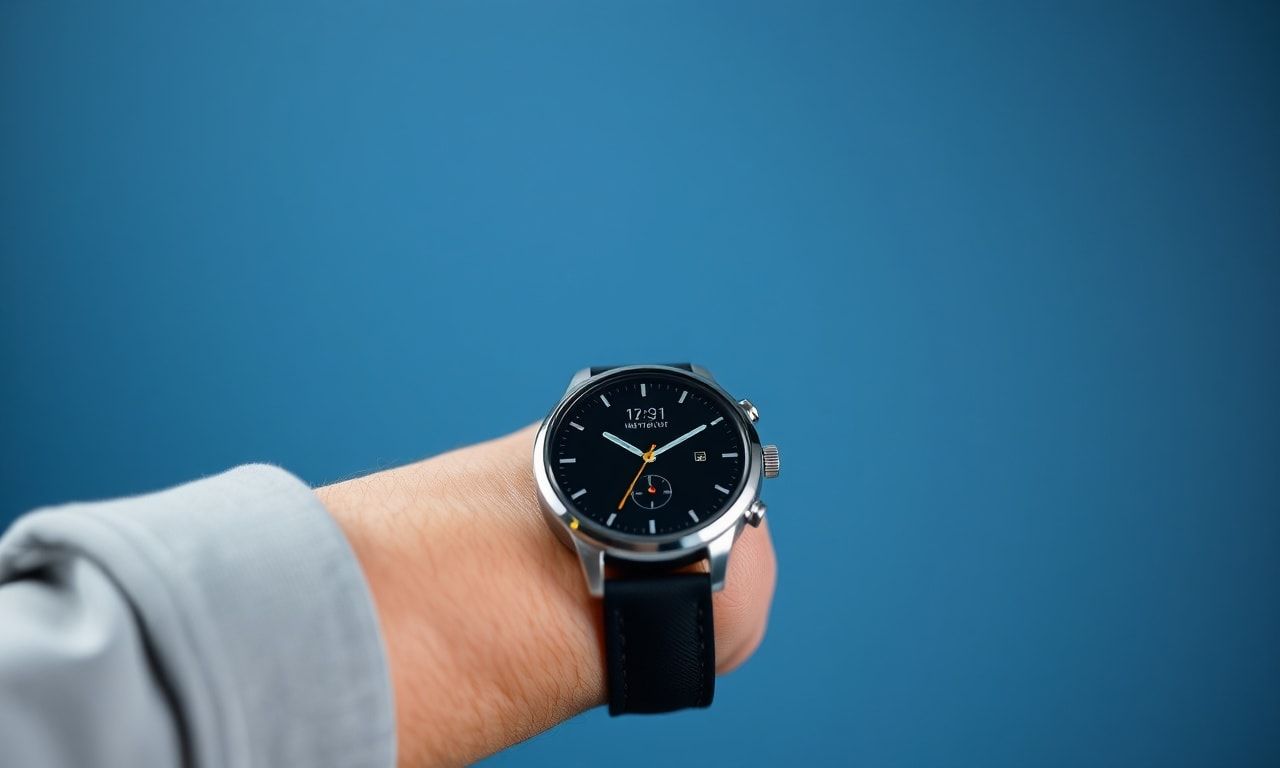
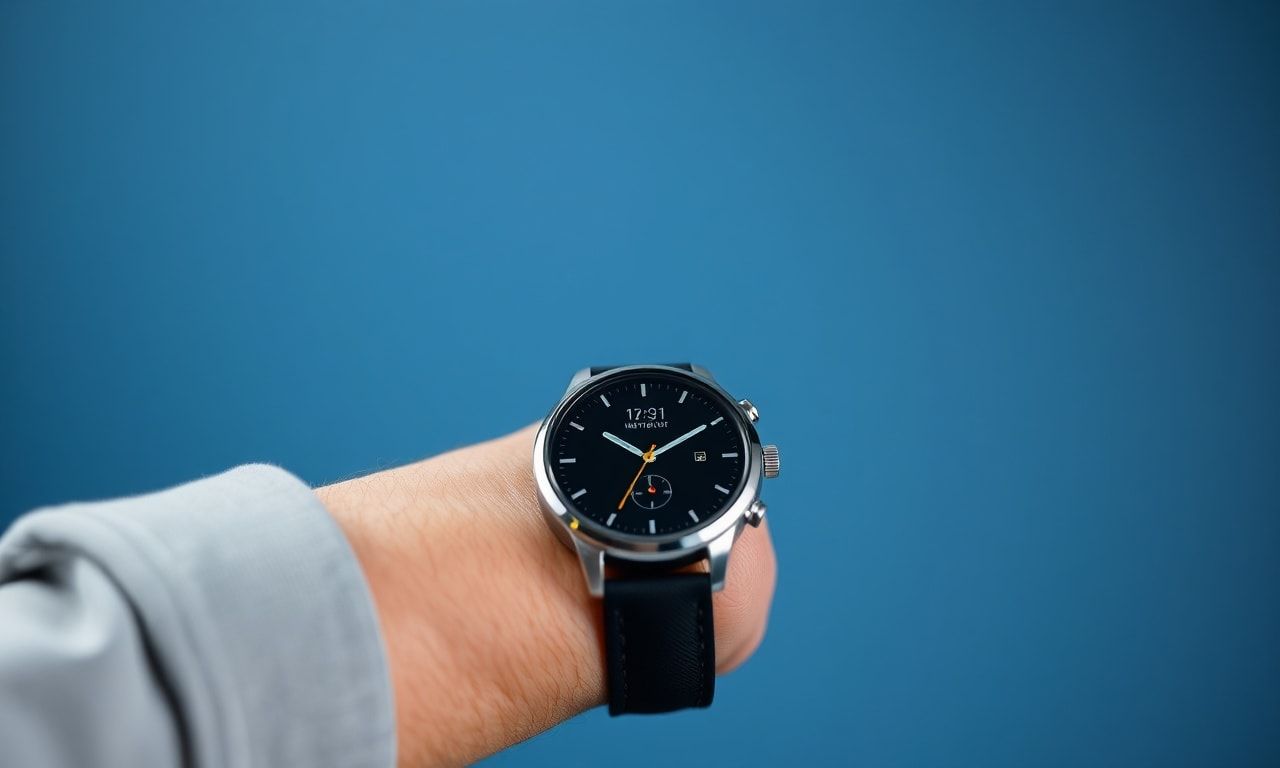
Smartwatches have become an integral part of many people’s daily routines. These devices offer a convenient way to stay connected and informed, allowing you to receive notifications, make calls, and even respond to messages directly from your wrist. Additionally, smartwatches often come equipped with advanced health and fitness features, such as heart rate monitoring, sleep tracking, and guided workouts.
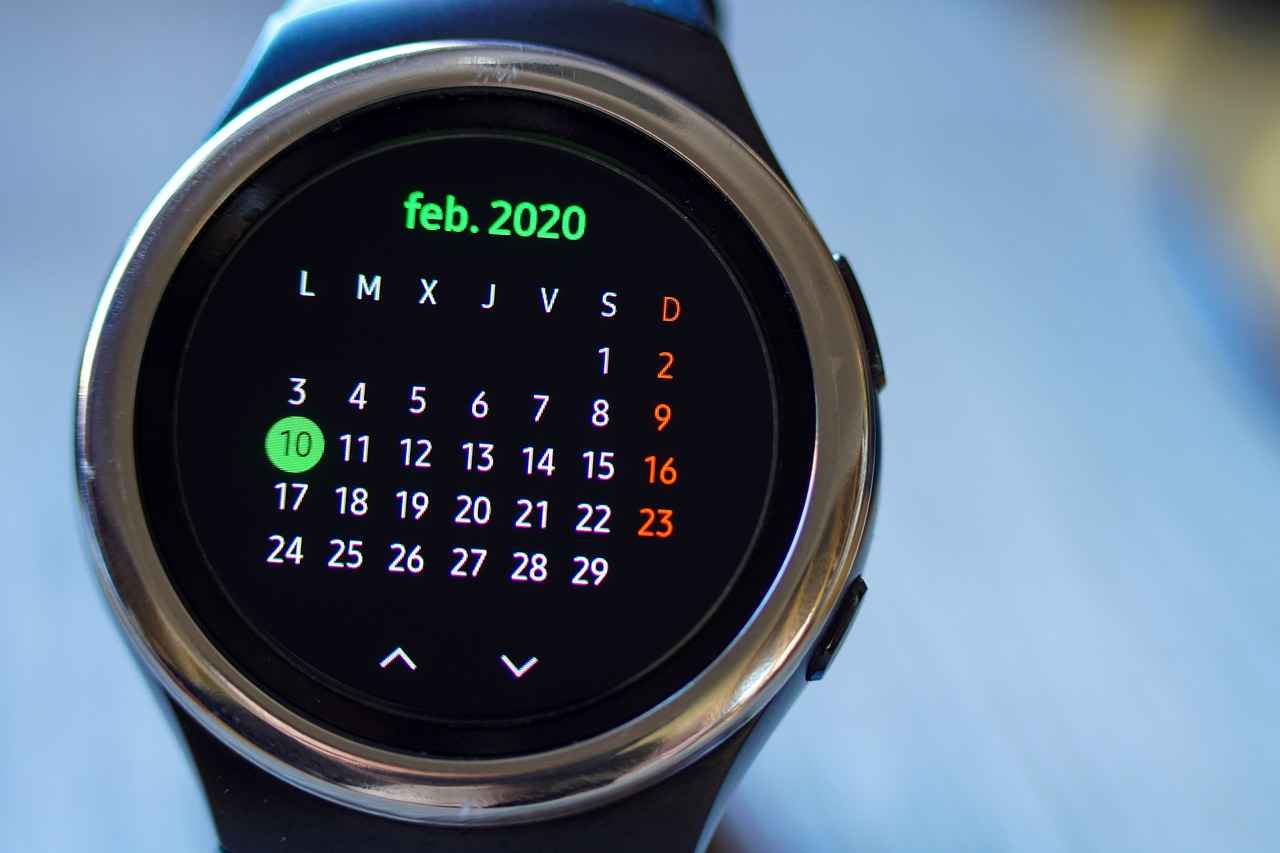
For those who are always on the go, smartwatches provide a seamless way to manage their schedules and stay organized. With features like calendar integration, reminders, and task lists, you can ensure that you never miss an important appointment or deadline. Furthermore, many smartwatches offer customizable watch faces and bands, allowing you to personalize your device to match your style and preferences.
Self-Improvement and Smart Living
Self-improvement is a key aspect of smart living. By leveraging technology and adopting healthy habits, you can enhance your overall well-being and quality of life. Whether you’re looking to improve your fitness, manage stress, or develop new skills, there are numerous tools and resources available to support your journey.
One of the most effective ways to improve your health and fitness is by setting realistic goals and tracking your progress. Fitness trackers and smartwatches can help you monitor your activity levels, heart rate, and calorie intake, providing valuable insights into your overall health. By setting specific, measurable goals, you can stay motivated and make consistent progress towards your objectives.
The Importance of Mental Well-being
In addition to physical health, mental well-being is a crucial component of smart living. Practices such as mindfulness, meditation, and stress management can significantly improve your mental health and overall quality of life. There are numerous apps and devices available that can guide you through meditation sessions, track your mood, and provide personalized recommendations for improving your mental well-being.
Creating a balanced lifestyle that prioritizes both physical and mental health is essential for long-term success. By incorporating healthy habits into your daily routine, such as regular exercise, a nutritious diet, and adequate sleep, you can enhance your overall well-being and achieve a more fulfilling life. Additionally, taking time for self-care and relaxation can help you recharge and stay focused on your goals.
Building Stronger Relationships in the Digital Age
In the digital age, building and maintaining strong relationships can be challenging. However, technology can also be a powerful tool for fostering connections and staying in touch with loved ones. From video calls to social media platforms, there are countless ways to stay connected and engaged with your community.
One of the key benefits of technology is the ability to communicate with people from all over the world. Whether you’re catching up with family members who live far away or connecting with new friends who share your interests, technology provides a convenient way to stay in touch. Additionally, social media platforms offer a wealth of opportunities for networking, collaboration, and personal growth.
However, it’s important to strike a balance between technology and face-to-face interactions. While digital communication can be convenient, nothing can replace the value of in-person connections. Make an effort to prioritize quality time with your loved ones and engage in activities that foster meaningful relationships. By finding a healthy balance between technology and real-life interactions, you can build stronger, more fulfilling relationships that enrich your life.