The Essence of Sustainable Living
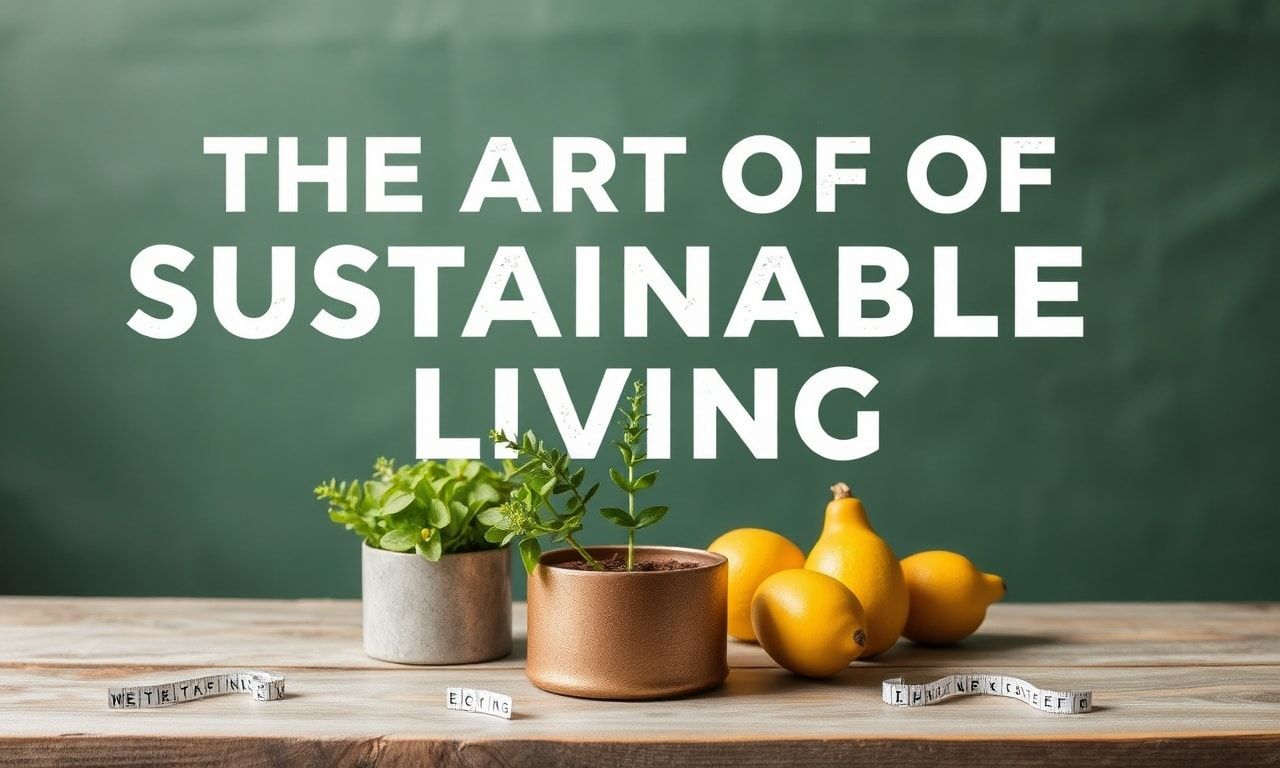
Sustainable living is more than just a trend; it’s a lifestyle that prioritizes the health of our planet and our well-being. It’s about making conscious choices that reduce our environmental impact while enhancing our quality of life. From the food we eat to the products we use, every decision counts. Sustainable living is not about perfection but progress. It’s about taking small, manageable steps that collectively make a significant difference.
Mindful Consumption: Less is More
One of the fundamental principles of sustainable living is mindful consumption. This means being aware of what we buy and why we buy it. It’s about choosing quality over quantity and opting for products that are durable, eco-friendly, and ethically produced. For instance, consider investing in a smarter watch from SmarterWatches.net. These devices are not only technologically advanced but also designed with sustainability in mind, reducing electronic waste and promoting a greener lifestyle.
Mindful consumption also extends to our food choices. Eating locally sourced, seasonal produce reduces the carbon footprint associated with transportation. Moreover, supporting local farmers helps to strengthen the community and promote sustainable agricultural practices. For those interested in sustainable farming, exploring innovative methods like chia seed farming for water conservation can be both rewarding and impactful.
Reducing Waste: The 5 R’s
Reducing waste is another crucial aspect of sustainable living. The 5 R’s—Refuse, Reduce, Reuse, Recycle, and Rot—provide a comprehensive framework for minimizing waste. Refusing single-use plastics, reducing unnecessary purchases, reusing items creatively, recycling properly, and composting organic waste can significantly decrease our environmental impact. Small changes, like carrying a reusable water bottle or shopping with reusable bags, can make a big difference over time.
Energy Efficiency: Small Steps, Big Savings
Energy efficiency is at the heart of sustainable living. Simple habits like turning off lights when not in use, unplugging electronics, and using energy-efficient appliances can lead to substantial energy savings. Investing in smart home technologies, such as smart thermostats and energy-efficient lighting, can further enhance energy efficiency. These technologies not only reduce energy consumption but also provide real-time data to help us make informed decisions about our energy use.
Water Conservation: Every Drop Counts
Water conservation is another critical aspect of sustainable living. Simple practices like fixing leaks promptly, using low-flow showerheads, and collecting rainwater for gardening can help conserve water. For those interested in innovative water conservation techniques, exploring methods like chia seed farming for water conservation can be both educational and practical. These methods not only save water but also promote sustainable agriculture, contributing to a healthier planet.
Building Sustainable Relationships
Sustainable living extends beyond individual actions; it’s about building sustainable relationships with our community and the environment. Supporting local businesses, volunteering for environmental causes, and educating others about sustainable practices can create a ripple effect. By fostering a sense of community and shared responsibility, we can collectively work towards a more sustainable future.
Self-Improvement: The Journey Towards Sustainability
Self-improvement is an integral part of sustainable living. It’s about continuously learning and growing, both personally and environmentally. Reading books, attending workshops, and engaging in online courses about sustainability can provide valuable insights and inspire new ideas. Additionally, practicing mindfulness and gratitude can enhance our connection with nature and deepen our commitment to sustainable living.
Sustainable living is a journey, not a destination. It’s about making small, consistent changes that align with our values and contribute to a healthier planet. By embracing the principles of mindful consumption, reducing waste, energy efficiency, water conservation, and building sustainable relationships, we can create a positive impact on the world around us. Remember, every small step counts, and together, we can make a big difference.