The Importance of Work-Life Balance
In today’s fast-paced world, maintaining a healthy work-life balance can often feel like an elusive goal. With the constant demands of work, family, and personal commitments, it’s easy to become overwhelmed and burnt out. However, achieving a harmonious balance between your professional and personal life is crucial for overall well-being and happiness. This article explores the importance of work-life balance and provides practical tips to help you achieve it.
Understanding Work-Life Balance
Work-life balance refers to the equilibrium between the time and effort dedicated to work and the time allocated for personal activities, relationships, and self-care. It’s not about dividing your time equally between work and personal life, but rather about creating a sustainable and fulfilling lifestyle that meets your unique needs and priorities.
Achieving work-life balance is not a one-size-fits-all approach. What works for one person may not work for another. It’s essential to identify your personal values, goals, and priorities to create a balanced lifestyle that aligns with your individual needs.
The Benefits of a Balanced Lifestyle
A well-balanced lifestyle offers numerous benefits, including:
- Improved mental and physical health
- Enhanced productivity and job satisfaction
- Stronger relationships with family and friends
- Increased self-esteem and confidence
- Greater overall happiness and life satisfaction
Practical Tips for Achieving Work-Life Balance
Here are some practical tips to help you achieve a healthier work-life balance:
Set Clear Boundaries
Establishing clear boundaries between work and personal life is essential for maintaining balance. This could mean setting specific work hours, avoiding work-related tasks during personal time, or creating a dedicated workspace at home. Communicate these boundaries to your employer, colleagues, and family members to ensure everyone is on the same page.
Prioritize Self-Care
Self-care is a crucial aspect of achieving work-life balance. Make time for activities that nourish your mind, body, and soul, such as exercise, meditation, hobbies, or spending time in nature. Remember that self-care is not a luxury but a necessity for maintaining overall well-being.
Incorporating self-care into your daily routine can help reduce stress, boost energy levels, and improve your overall mood. It’s essential to find activities that you enjoy and make them a regular part of your life.
Learn to Say No
Saying no is a powerful tool for maintaining work-life balance. It’s essential to recognize your limits and avoid overcommitting yourself. Whether it’s turning down additional work projects or declining social invitations, learning to say no can help you protect your time and energy for the things that truly matter.
Remember that saying no is not a sign of weakness but a sign of self-awareness and self-respect. It’s essential to communicate your boundaries assertively and politely to avoid feelings of guilt or resentment.
Stay Organized and Plan Ahead
Staying organized and planning ahead can help you manage your time more effectively and reduce stress. Use tools like calendars, to-do lists, or productivity apps to keep track of your tasks and deadlines. Prioritize your tasks based on importance and urgency, and delegate or outsource tasks when possible.
Planning ahead can also help you make time for personal activities and self-care. Schedule appointments, social events, and personal time in advance to ensure you have a balanced and fulfilling lifestyle.
The Role of Technology in Work-Life Balance
Technology has revolutionized the way we work and communicate, offering both opportunities and challenges for achieving work-life balance. On one hand, technology enables remote work, flexible schedules, and instant communication, making it easier to integrate work and personal life. On the other hand, technology can also blur the boundaries between work and personal life, leading to increased stress and burnout.
To leverage technology for a healthier work-life balance, set clear boundaries for technology use, such as turning off notifications during personal time or designating tech-free zones in your home. Additionally, use technology to automate tasks, streamline communication, and stay organized, freeing up more time for personal activities and self-care.
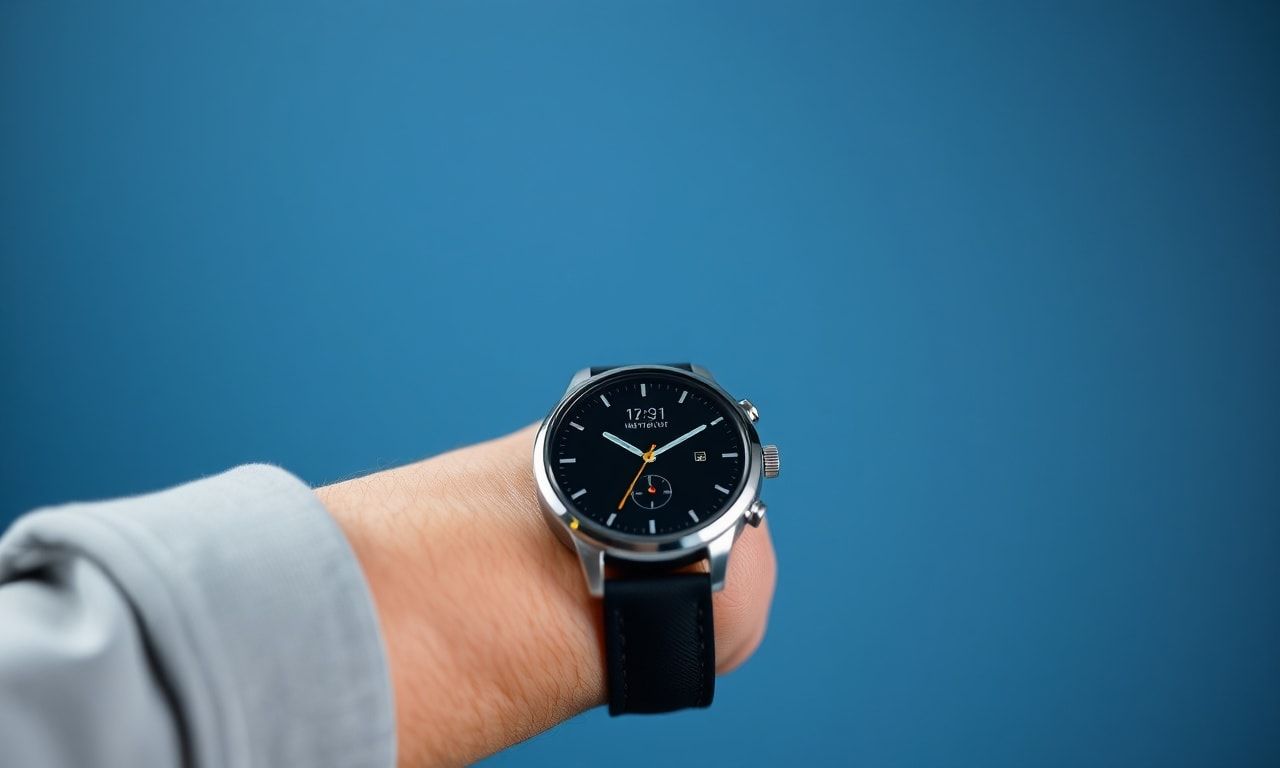
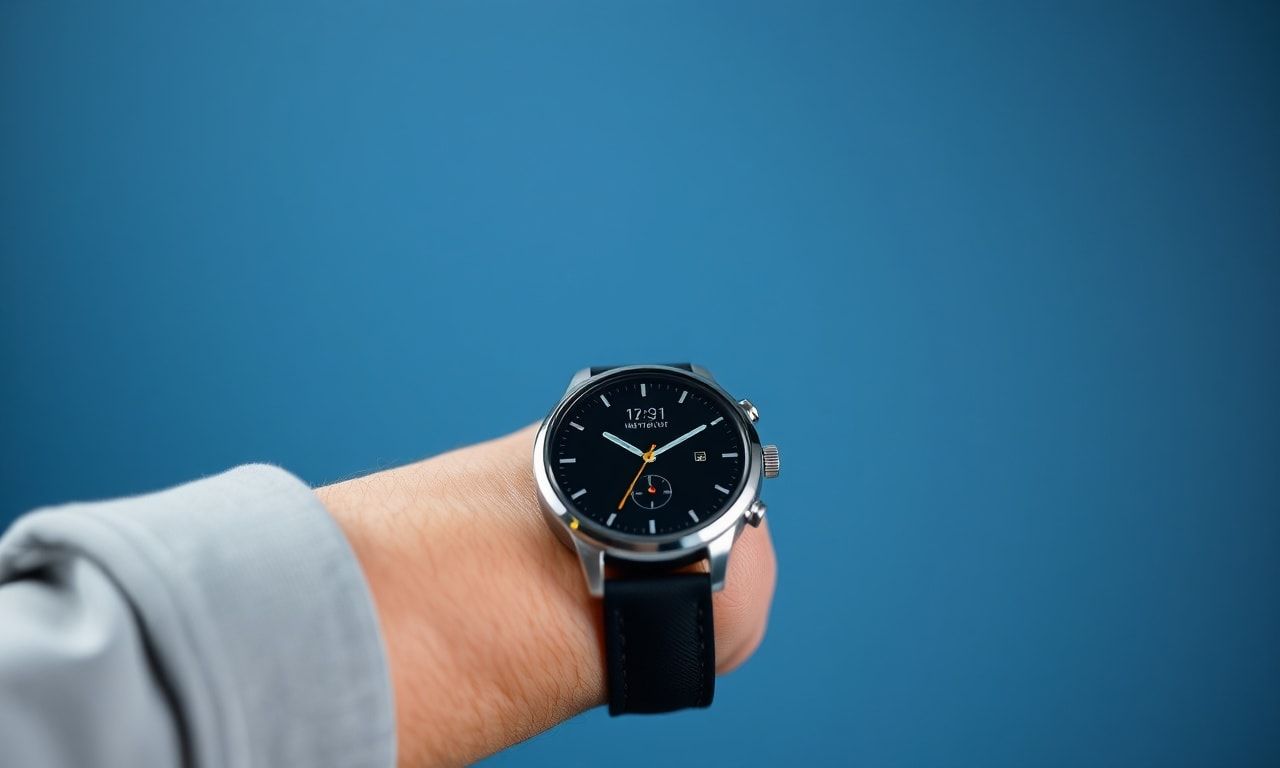
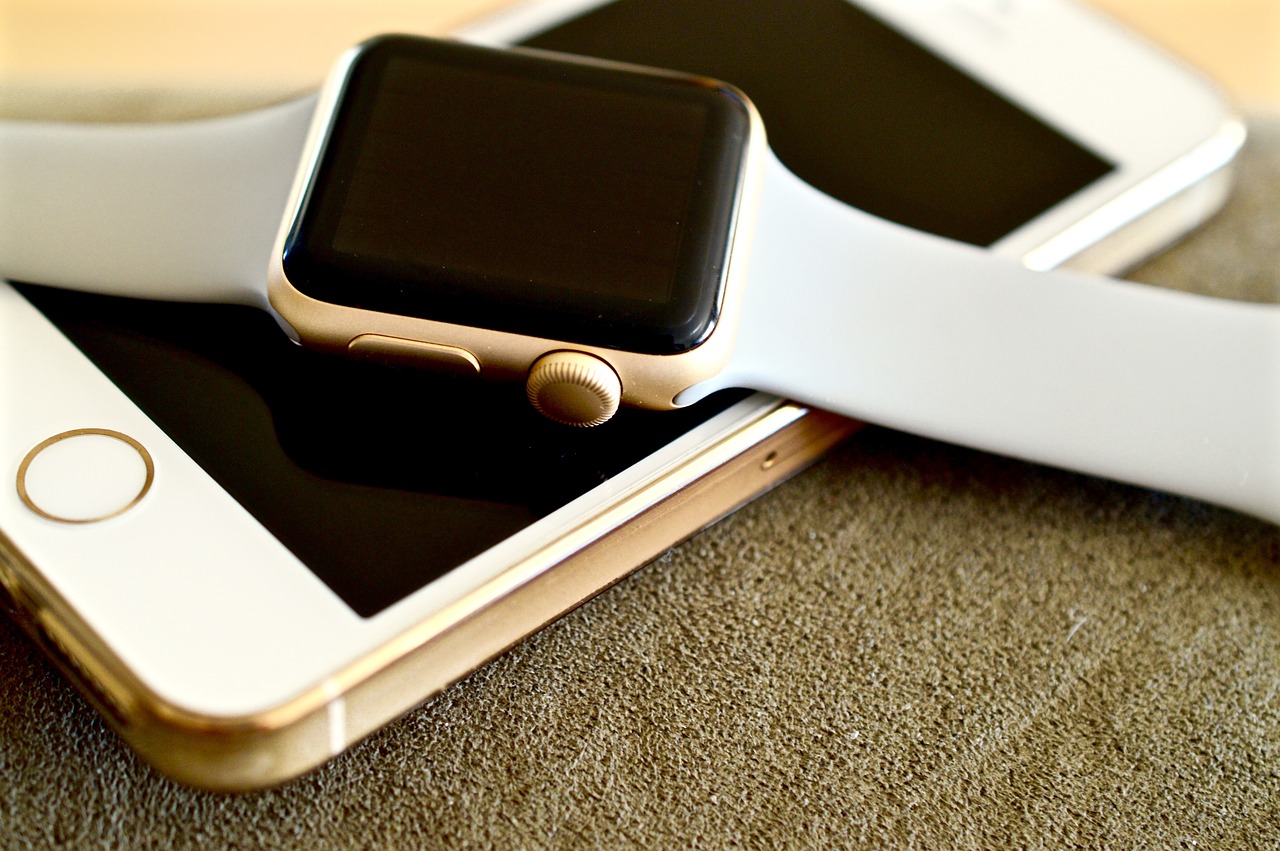
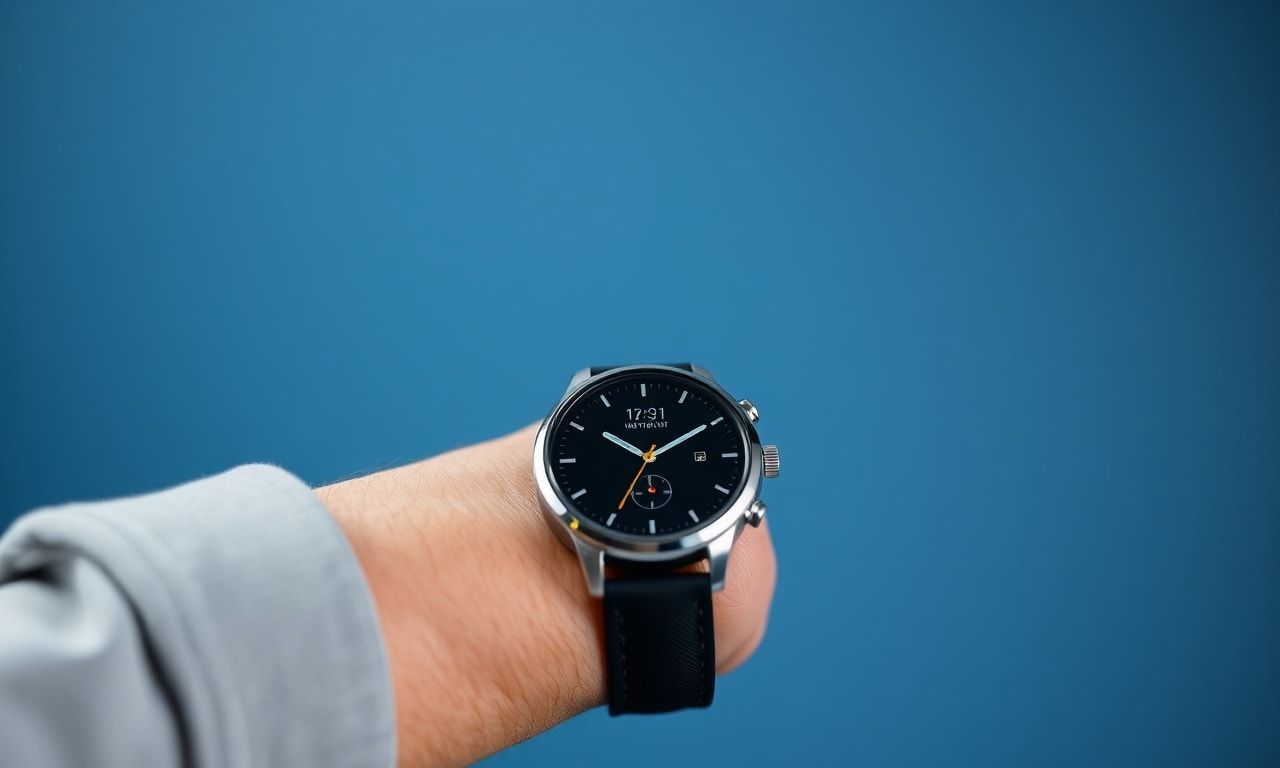
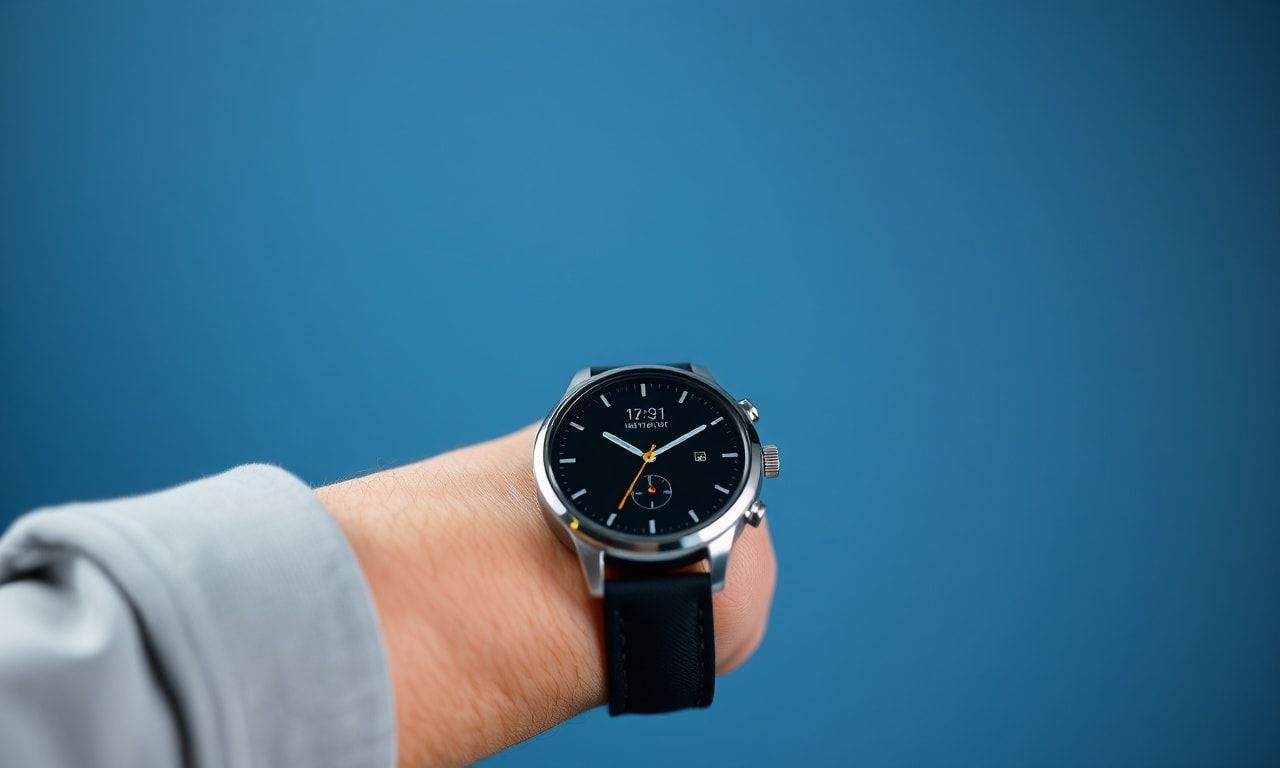
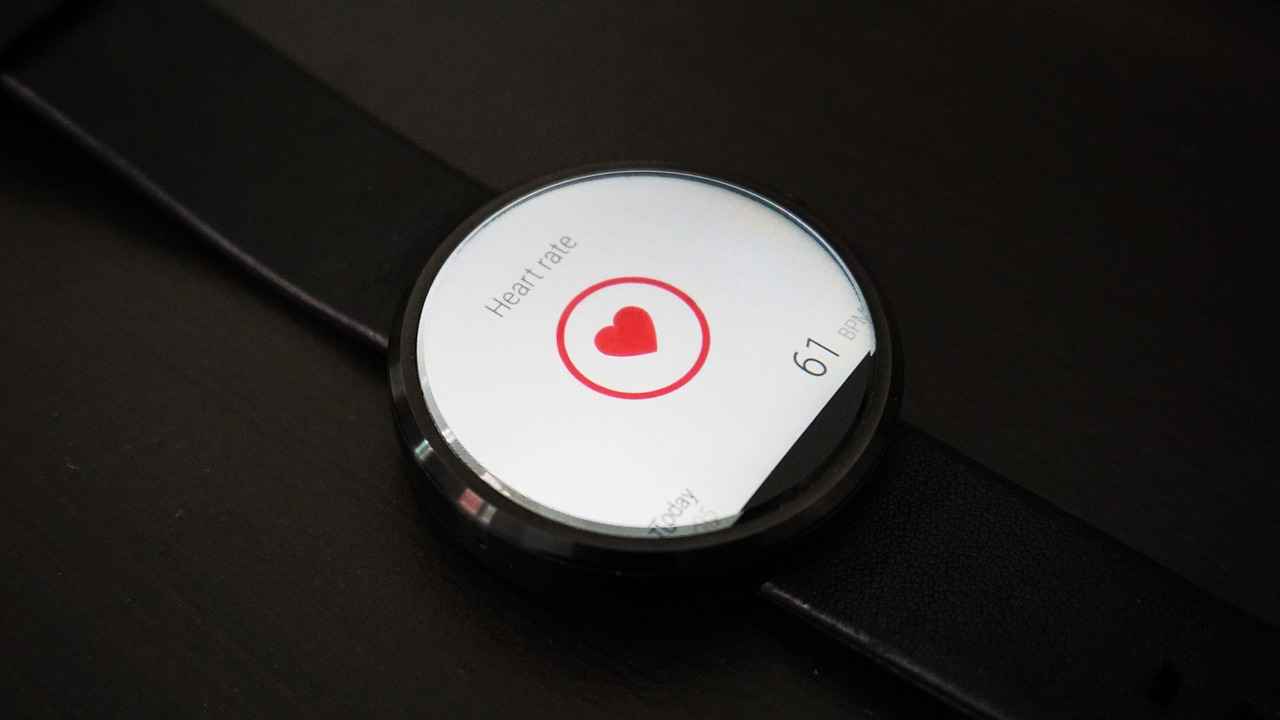
For example, smartwatches can be a valuable tool for managing your time and staying organized. With features like calendar reminders, fitness tracking, and stress monitoring, smartwatches can help you prioritize self-care and maintain a balanced lifestyle. To learn more about the benefits of smartwatches for work-life balance, visit previa del partido de hoy en baloncesto.
Conclusion
Achieving work-life balance is an ongoing process that requires self-awareness, planning, and commitment. By setting clear boundaries, prioritizing self-care, learning to say no, staying organized, and leveraging technology, you can create a balanced lifestyle that meets your unique needs and priorities. Remember that work-life balance is not about perfection but progress. Be patient with yourself, and don’t be afraid to adjust your approach as needed.
Investing in your well-being and happiness is one of the most important things you can do for yourself and those around you. By achieving a healthier work-life balance, you can enhance your overall quality of life, improve your relationships, and unlock your full potential.
In today’s digital age, understanding e-commerce is key to personal and professional growth, so we suggest checking out essential 2024 e-commerce tips to stay ahead in your ventures.
Transforming your living space into a cozy retreat can greatly enhance your daily life, and this guide on creating a harmonious home offers practical tips to help you achieve just that.
If you’re looking to bring more peace and intention into your everyday life, explore our guide on practicing mindful living daily and discover simple ways to enhance your well-being.