

10 min read · Updated: 2026-10-13
This guide answers the core question directly: you can buy and sell in forex by exchanging one currency for another, using a trading platform, and managing risk with a clear plan. The steps here focus on practical setup, safer execution, and choosing tools that fit a tech-minded reader’s workflow. You’ll learn how to choose a platform, verify security, and structure a basic trade strategy that scales with experience.
Begin with a reliable platform and a funded account, then configure quotes, spreads, and order types to fit your goals. Understand how leverage affects risk, and how to set limits to protect capital. The goal is to make forex trading a repeatable, technically sound process rather than a speculative gamble.
Finally, this guide maps practical options, common mistakes, and smart tips so a tech reader can implement forex trading with confidence, discipline, and ongoing learning. You’ll see concrete steps, tools to compare, and how to monitor performance, all without hype or guesswork.
- Forex trading involves exchanging currencies with aims to profit from value movements, using platforms, risk rules, and defined entries. Start with a demo to learn the flow, then move to real trading with careful position sizing and stop-loss discipline. Track performance and refine rules using logs and history.
- Choose pairs with solid liquidity to minimize costs, and align your choice with your time horizon. Configure your platform with automated alerts and protective stops to stay disciplined. Ensure connectivity and security are solid before funding an account.
- Leverage magnifies both gains and losses; start conservatively and scale gradually as you gain experience. Use a mix of platform types to suit your workflow, and verify security features and fees to avoid surprises.
- For tech readers, a strong forex toolbox includes reliable data feeds, automation scripts, and a clear risk framework that supports repeatable decisions and continual improvement.
Foundations: what forex trading is in practice
Core mechanics of forex
Forex trading involves exchanging one currency for another with the aim of profiting from relative value changes between pairs. Prices move in real time and depend on liquidity, news, and market sentiment. A basic trade places a bet on one currency strengthening against its pair. buy and sell in Basildon
- ☐ Open a forex account with a reputable broker
- ☐ Enable two-factor authentication and withdrawal limits
- ☐ Set daily loss and profit caps
- ☐ Record each trade in a simple log
Consider a standard pair like EUR/USD where a trader buys EUR and sells USD if they expect the euro to rise. Orders can be set to trigger at specific prices, helping manage entry points. Knowledge of base and quote currencies helps you read quotes quickly.
A practical setup includes a funded account, a platform with real-time quotes, and clear trade rules. Use a practice account to test strategies before risking real money. The focus is on repeatable processes rather than luck.
- Fund a verified account
- Choose a compact platform
- Test strategies in practice mode
- Set entry and exit rules
- Track your results
Choosing a trading pair
A currency pair shows how much of one currency is needed to buy another. Major pairs are the most liquid and typically have tighter spreads, which matters for costs. You’ll often start with EUR/USD or USD/JPY for balance and familiarity.
Pair selection should match your time horizon; longer trades need broader monitoring, while quick trades benefit from tight spreads and fast execution. Watch liquidity around market open and during key economic releases.
Trading psychology matters: define a rationale for each pair and avoid chasing sudden price moves without a plan. A simple rule is to trade what you can explain and defend in your notes.
- Major pairs for steady liquidity
- Consider spreads and execution speed
- Align with your trading horizon
- Avoid overtrading and chase rules
How to set up safer, repeatable trades
Configuring your platform
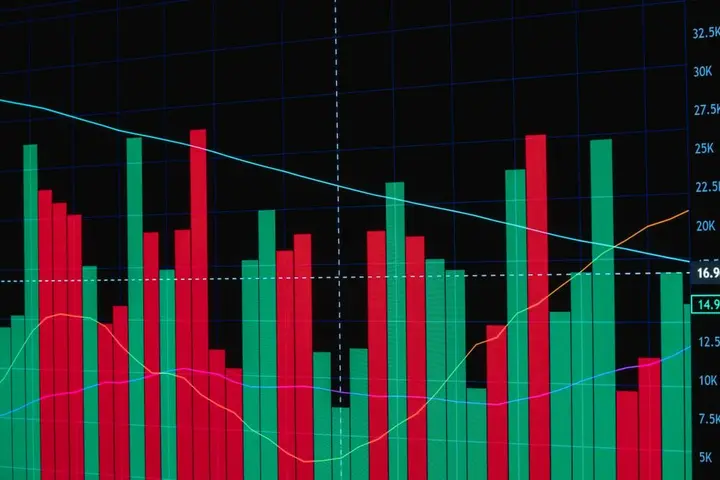
Most platforms offer real-time charts, order types, and risk controls. Start with a demo account to learn the interface and set up basic charts. Map out entry criteria, exit criteria, and risk limits so you can automate decisions rather than rely on emotion. Basildon Times headlines
Link your platform to trusted data feeds and ensure connectivity is stable. Use simple alerts for price levels rather than constant watching. This reduces fatigue and improves consistency.
Recordkeeping matters: export trade histories to analyze outcomes, refine rules, and remove guesswork from decisions.
- Use demo to learn
- Define entry/exit rules
- Set automated alerts
- Export trade history
- Keep a clean trading log
Risk controls and leverage
Forex markets offer leverage but magnify both gains and losses. Start with a conservative leverage setting that aligns with your account size and risk tolerance. Use stop losses and position sizing to cap potential damage from a single bad trade.
Regularly review your exposure across pairs to avoid clustered risk. If one event moves multiple positions, manual hedging can reduce drawdown. The aim is steady equity growth, not big bets.
Keep clear notes on why each position exists and when you’ll exit. Discipline protects capital when markets swing unexpectedly.
- Set conservative leverage
- Use stop losses
- Maintain diversified exposure
- Document rationale and exits
- Review risk after each session
Options for tools and platforms
Platform types and comparisons
Stand-alone trading apps can run on desktops or mobile devices, offering rapid execution and focused interfaces. Integrated platforms bundle data, analytics, and order routing, which helps with consistency across trades. Your choice should fit how you work and your tolerance for complexity. publish local events in Basildon
Mobile access adds convenience but can reduce screen real estate for analysis. Desktop setups with multiple monitors aid pattern recognition and risk assessment. Pick a configuration that makes you efficient, not overwhelmed.
Always verify a platform’s security features and user reviews before funding an account. Tech-minded traders prefer platforms with robust encryption and transparent fee structures.
- Desktop vs mobile tradeoffs
- Multiple monitor setups
- Security and fees to compare
| Option | Pros | Cons |
|---|---|---|
| Direct market access | Lower slippage in active markets | May require higher minimums or fees |
| Market maker platform | Ease of use | Potentially higher spreads or less transparency |
| ECN routing | Transparent pricing | Requires technical setup and monitoring |
Routing and liquidity
Order routing determines how your orders are filled. Some venues offer direct market access, which can reduce slippage for active traders. If you trade during thin liquidity, pay attention to spreads and potential price jumps.
Liquidity varies by time of day and currency pair. Planning trades around peak liquidity improves execution precision. Use limit orders to control entry prices when fast markets occur.
Keep an eye on broker reliability and uptime; a brief outage can disrupt an entire strategy.
- Direct market access
- Watch liquidity windows
- Use limit orders for precision
- Check broker uptime and reliability
- Compare slippage across venues
Backtesting on historical data helps validate a rule set, but it cannot capture every market condition.
Advanced strategies and automation
Algorithmic entry techniques
Algorithmic entry techniques focus on predefined criteria that trigger trades. This reduces emotional bias and creates repeatable timing signals. Start with simple rules before adding layers such as volatility filters or liquidity checks to avoid overfitting. business directory in Basildon
Backtesting on historical data helps validate a rule set, but it cannot capture every market condition. Use walk-forward testing to gauge robustness, then apply cautiously in live markets. Adjust risk settings as you validate performance across different regimes.
Automation shines when it handles routine tasks: order placement, stop management, and position sizing. Ensure your code logs every action for auditability and debugging. Regularly review alerts to prevent missed opportunities or edge-case errors.
- Define clear entry criteria
- Test across timeframes
- Monitor performance logs
- Review risk controls
Automation limits and guardrails
Automation reduces workload but exposes you to model risk. Implement guardrails such as maximum drawdown limits and restricted order types during news events. Establish a manual override by design so you can intervene when needed.
Hardware and connectivity matter: latency, outages, and data feed interruptions can derail automated trades. Use redundant connections and local backups for critical components. Document contingency plans so a pause in trading doesn’t become a panic.
A well-architected system splits logic across modules: signal generation, risk checks, order routing, and execution. This separation makes debugging easier and supports safer upgrades. Regularly schedule dry runs to verify that updates don’t revert safety checks.
Regulatory and security considerations
Compliance basics for traders
Understand the basic regulatory landscape that applies to your trading activity. This includes licensing requirements, reporting duties, and record-keeping expectations. Align your processes with these requirements from the start to avoid penalties. announce a death in Basildon
Documentation should capture strategy rationale, trade logs, and risk controls. Keeping clear, organized records helps when audits occur and supports portfolio transparency. Use tamper-evident logging or immutable storage where possible.
Data privacy matters when using third-party data feeds or cloud services. Ensure data access is restricted to authorized personnel and that encryption is in place for stored and in-transit information. Regular access reviews reduce risk.
- Know your applicable rules
- Keep audit-ready logs
- Secure data pathways
- Plan for regulatory changes
"Security by design" for platforms
Security by design means integrating protection into every layer of your tech stack. Use signed code, secure APIs, and encrypted communications to reduce surface area for attackers. Regular penetration testing helps identify weaknesses before exploitation.
Access controls should follow least privilege, with multi-factor authentication for critical actions. Monitor for unusual login patterns and implement automatic session termination after idle periods. Keep software components updated to close known vulnerabilities.
A response plan covers incident detection, containment, eradication, and recovery. Practice tabletop exercises so teams know their roles when a breach occurs. Post-incident reviews should feed back into development and security practices.
Ethical and practical risk management
Ethical guidelines for traders
Ethics affect reliability and trust in technology-driven trading. Avoid exploiting gaps in markets in ways that could harm other participants or breach platform rules. Maintain transparency about automated decision-making where required.
Disclose when you rely on external data feeds or third-party bots that influence decisions. Clear disclosure helps build credibility with clients or collaborators. Avoid manipulative tactics that could trigger regulatory or reputational risk.
Engage in fair competition: test strategies on paper or in simulators before risking real capital. Ethical practice reduces the chance of costly errors and fosters long-term sustainability.
- Disclose data sources
- Avoid exploitative tactics
- Test before live use
Practical risk controls
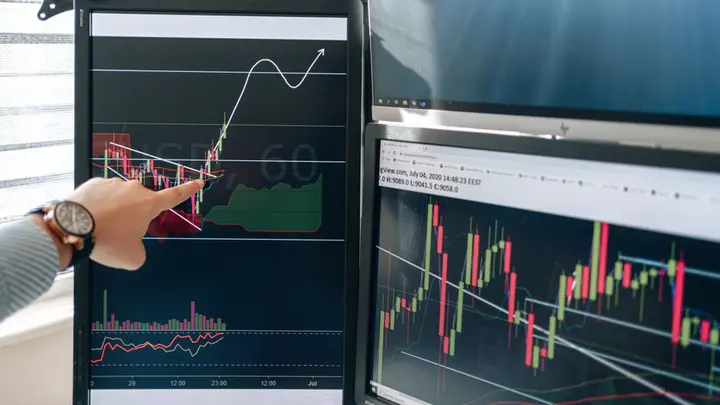
Set stop-loss rules that reflect true risk tolerance, not just market noise. Use position sizing that aligns with overall portfolio risk and avoids overexposure to a single asset class. Paper trading can reveal how plausible the rules feel under pressure.
Diversify to spread risk across strategies, assets, and timeframes. Correlated losses can sabotage a portfolio faster than a single large drawdown. Regularly measure risk-adjusted performance to see if diversification pays off.
Keep a running risk log: near-misses, errors, and system faults belong in the same file as wins. A candid risk record helps improve models and reduces future mistakes. Treat every loss as a chance to refine safeguards.
- Use meaningful stop distances
- Manage position sizes
- Track risk-adjusted metrics
Building a forex toolbox for tech users
Toolkit essentials for developers
A solid toolkit combines data, code, and execution. Start with a reliable data feed, a sandboxed testing environment, and a version-controlled codebase to track changes. This setup helps you iterate safely and reproduce results.
Choose a flexible programming language and library ecosystem that fits your goals. Python offers clear data handling and rapid prototyping, while strongly typed languages improve reliability for larger systems. Keep modules small and well-documented.
Integrate monitoring early: dashboards for latency, order status, and error rates prevent silent failures. Alerting should be actionable, not overwhelming. Regularly review telemetry to spot drift between backtested and live performance.
- Data feed source
- Sandbox testing
- Version control
- Monitoring dashboards
Choosing platforms and APIs
Assess platform APIs for latency, granularity, and order types. Compatibility with your stack reduces integration friction and speeds up iteration. Ensure APIs offer robust error handling and retries to keep systems resilient.
APIs should support secure authentication and audit trails. Prefer platforms with documented mock modes or test environments to validate changes without risking real capital. Keep dependencies isolated to avoid cascading failures.
When you scale, consider orchestration and containerization to manage services consistently. Versioned deployments with feature flags let you try new ideas without destabilizing core systems. Document service contracts so teammates can work independently.
- Latency and order types
- Secure access and audits
- Test environments
- Containerized deployment
Frequently asked questions
What is the core goal of forex trading for tech users?
The core goal is to build a repeatable, low-emotion process that captures small market movements while managing risk. Tech users focus on robust data pipelines, reliable execution, and transparent logging to support disciplined decision making.
How does automation affect risk in forex?
Automation can reduce impulsive errors and improve consistency, but it adds model risk. Implement guardrails, test thoroughly, and keep a manual override path so you can intervene when conditions break assumptions.
What equipment matters most for a tech trader?
Stable data feeds, reliable latency, secure APIs, and a tested sandbox environment matter most. A well-documented codebase and strong monitoring are equally important to catch problems early.
Where should a reader start learning forex basics?
Begin with a solid foundation: understand currency pairs, spreads, leverage, and order types. Then build a simple strategy in a simulator, focusing on risk controls and clear exit rules before live trading.
Next steps for tech-savvy traders
Take the next step by assembling a small, documented project that combines data feeds, a sandbox, and a version-controlled strategy. Start with a simple rule and expand once you prove the concept in testing and paper trading. The aim is repeatability and safety before scale.
Apply a structured review cadence: quarterly checks of performance metrics, risk limits, and security practices. Use learnings from testing to tune real-world behavior and improve resilience. When you have a reliable setup, gradually increase exposure while preserving safeguards.


