The Art of Mindful Living
In the fast-paced world we live in, it’s easy to get caught up in the whirlwind of daily tasks and responsibilities. However, embracing a lifestyle that prioritizes mindfulness can significantly improve your overall well-being. Mindful living involves being fully present in the moment, appreciating the simple joys of life, and making conscious choices that align with your values and goals.
One of the key aspects of mindful living is practicing gratitude. Taking a few moments each day to reflect on the things you are grateful for can shift your perspective and enhance your mood. Whether it’s a beautiful sunrise, a heartfelt conversation, or a delicious meal, finding joy in the little things can make a big difference in your overall happiness.
Another important element of mindful living is self-care. This includes taking care of your physical, emotional, and mental health. Engaging in activities that bring you joy, such as reading, exercising, or spending time with loved ones, can help you recharge and stay balanced. Additionally, ensuring you get enough sleep, eat nutritious foods, and stay hydrated are essential for maintaining a healthy lifestyle.
The Role of Technology in Modern Lifestyles
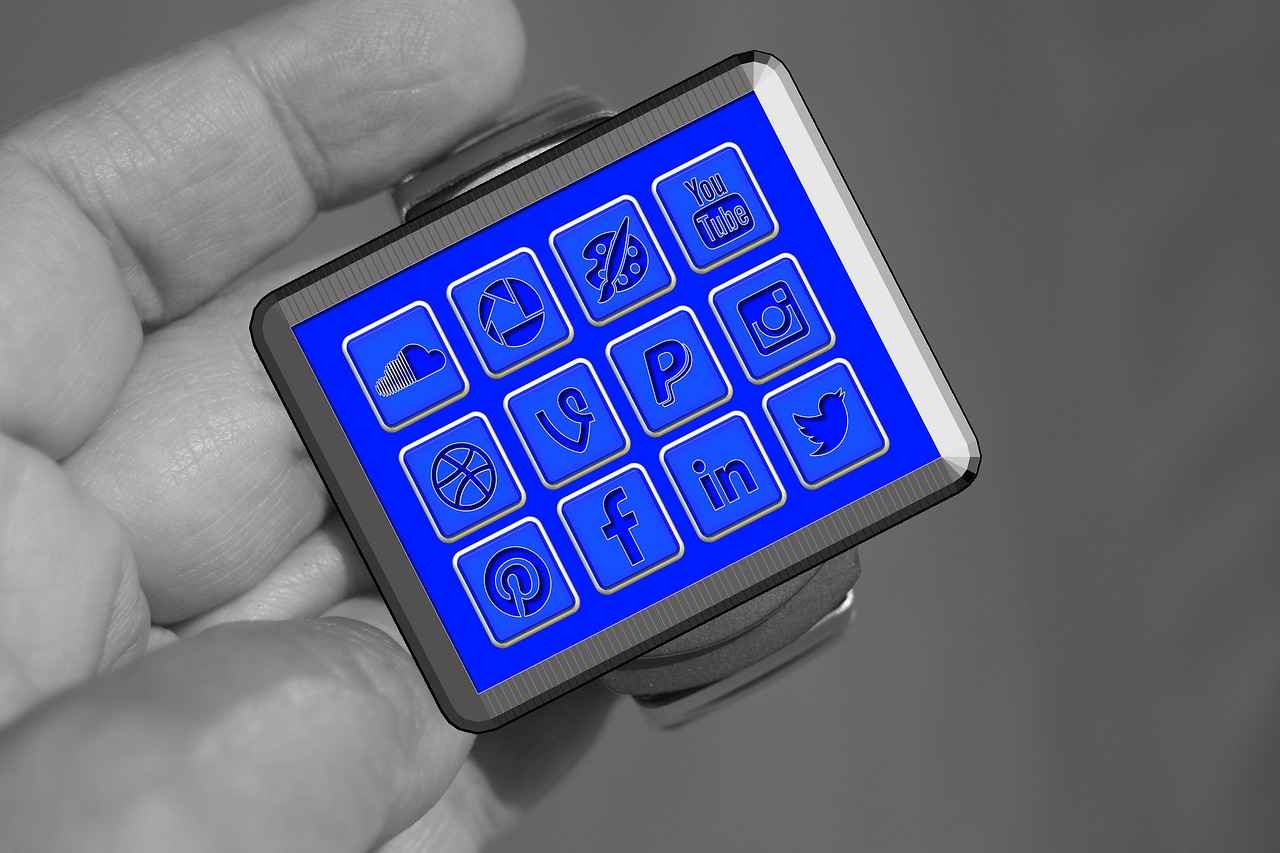
Technology has become an integral part of our daily lives, offering numerous tools and resources to enhance our lifestyles. From smart home devices to wearable technology, these innovations can help streamline tasks, improve efficiency, and even promote health and wellness. For instance, smartwatches can track your fitness activities, monitor your heart rate, and provide reminders to stay active throughout the day.
Incorporating technology into your lifestyle can also help you stay organized and productive. Apps for time management, budgeting, and goal setting can help you stay on track and achieve your personal and professional objectives. Moreover, technology can facilitate communication and connection, allowing you to stay in touch with friends and family, no matter where they are in the world.
However, it’s important to strike a balance and not let technology consume your life. Setting boundaries, such as designating tech-free times and spaces, can help you maintain a healthy relationship with technology and ensure it enhances rather than detracts from your lifestyle.
Continuous Learning and Personal Growth
Embracing a lifestyle of continuous learning and personal growth can open up new opportunities and enrich your life in countless ways. Whether you’re looking to advance in your career, explore new hobbies, or simply expand your knowledge, there are numerous resources available to support your journey. For example, yetişkin eğitimi fırsatları devam offers a wide range of courses and certifications to help adults enhance their skills and achieve their personal and professional goals.
Engaging in lifelong learning can also improve your cognitive function and mental health. Studies have shown that continuous learning can help keep your mind sharp, reduce the risk of cognitive decline, and even boost your self-esteem and confidence. Additionally, learning new skills can open up new career opportunities and increase your earning potential.
To incorporate continuous learning into your lifestyle, consider setting aside dedicated time each week to read, attend workshops, or take online courses. You can also join clubs or groups that align with your interests, as this can provide a supportive community and opportunities for hands-on learning.
Building and Maintaining Strong Relationships
Strong, healthy relationships are a cornerstone of a fulfilling lifestyle. Whether it’s with family, friends, or romantic partners, nurturing these connections can provide emotional support, enhance your well-being, and bring joy to your life. Effective communication is key to building and maintaining strong relationships. This involves actively listening, expressing your thoughts and feelings clearly, and being open to feedback.
Quality time is another essential component of strong relationships. Making an effort to spend meaningful time with your loved ones, whether it’s through shared activities, deep conversations, or simply being present, can strengthen your bond and create lasting memories. Additionally, showing appreciation and gratitude for the people in your life can foster a sense of connection and mutual respect.
It’s also important to set boundaries and practice self-care within your relationships. This means prioritizing your own needs and well-being, and communicating your boundaries clearly and respectfully. By doing so, you can maintain a healthy balance and ensure that your relationships are mutually beneficial and fulfilling.
Creating a Healthy and Sustainable Home Environment
Your home is a reflection of your lifestyle and can significantly impact your overall well-being. Creating a healthy and sustainable home environment involves making conscious choices that promote physical health, mental well-being, and environmental sustainability. For instance, incorporating plants into your home decor can improve air quality, reduce stress, and enhance the aesthetic appeal of your space.
Another way to create a healthy home environment is by choosing eco-friendly and non-toxic materials for your furniture, bedding, and cleaning products. This can help reduce your exposure to harmful chemicals and contribute to a healthier planet. Additionally, optimizing natural light and ventilation can improve your mood, productivity, and overall well-being.
To make your home more sustainable, consider implementing energy-efficient practices, such as using LED lighting, installing a programmable thermostat, and reducing water consumption. These small changes can have a significant impact on your energy bills and environmental footprint. Furthermore, decluttering and organizing your space can help create a more peaceful and functional living environment.
The Importance of Work-Life Balance
Achieving a healthy work-life balance is essential for maintaining a fulfilling lifestyle. This involves allocating time and energy to both your professional and personal responsibilities, ensuring that neither aspect of your life is neglected. One way to achieve work-life balance is by setting clear boundaries between your work and personal time. This can include establishing a dedicated workspace, setting specific work hours, and avoiding work-related tasks during your personal time.
Prioritizing self-care and personal interests is also crucial for maintaining work-life balance. Engaging in activities that bring you joy and fulfillment, such as hobbies, exercise, or spending time with loved ones, can help you recharge and stay motivated. Additionally, delegating tasks and seeking support when needed can help you manage your responsibilities more effectively and reduce stress.
Ultimately, achieving work-life balance is a personal journey and may require trial and error to find what works best for you. By making conscious choices and prioritizing your well-being, you can create a lifestyle that is both productive and fulfilling.