The Intersection of Technology and Lifestyle
\nIn today’s fast-paced world, technology has become an integral part of our daily lives. From smartwatches that track our fitness to apps that manage our schedules, we are constantly connected. However, this digital revolution comes with its own set of challenges. Balancing the benefits of technology with the need for mindfulness and self-care is crucial for a fulfilling lifestyle.
\nEmbracing Smart Technology
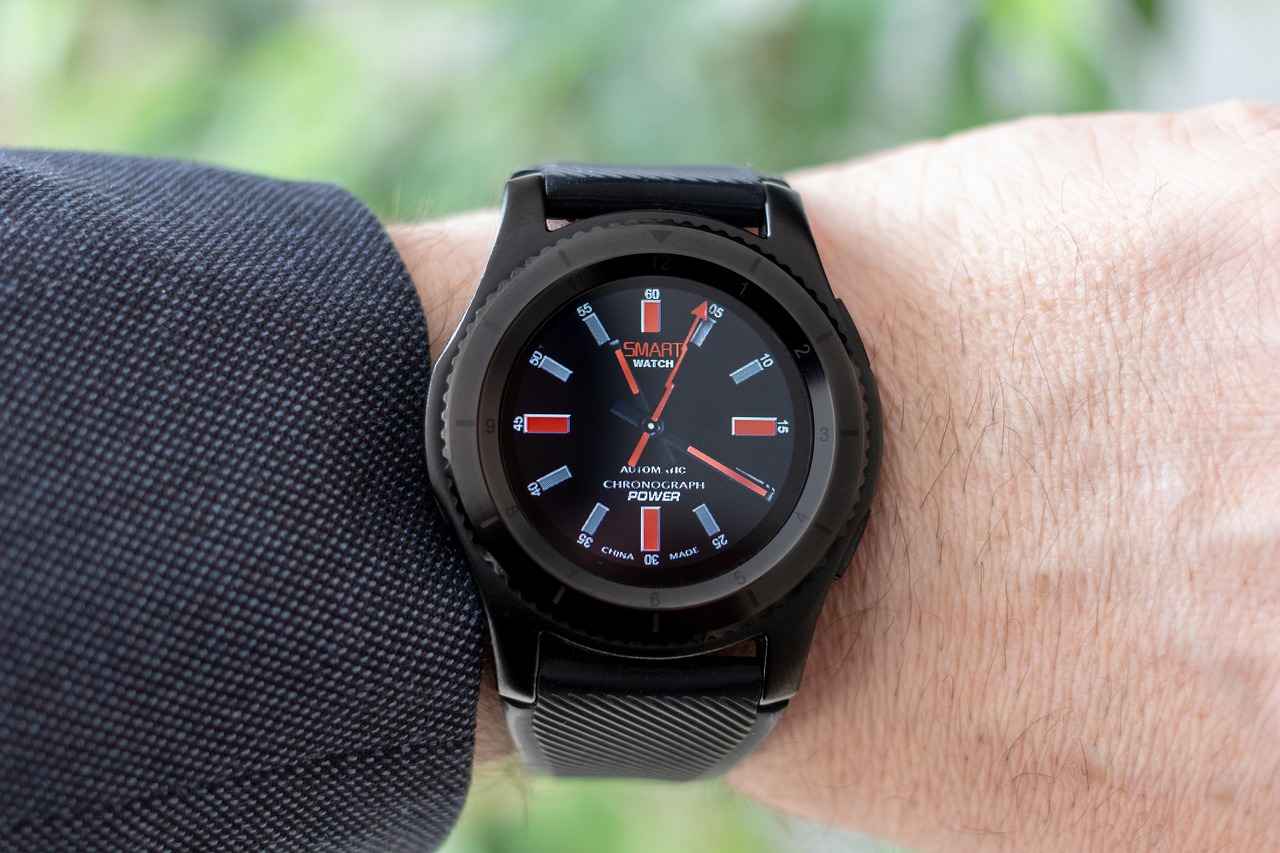
\nSmartwatches, like those featured on smarterwatches.net, are a testament to how technology can enhance our lives. These devices monitor our heart rate, track our physical activity, and even provide notifications for important messages. By integrating these tools into our routines, we can make informed decisions about our health and well-being. For instance, a smartwatch can remind you to take a break from work and stretch, promoting better posture and reducing stress.
\nPersonal Finance Tips Budgeting
\nManaging personal finances is another area where technology can be a game-changer. With budgeting apps and financial trackers, you can keep tabs on your spending and savings. For more insights, check out personal finance tips budgeting to streamline your financial planning. These tools not only help you stay on top of your finances but also provide peace of mind, knowing that you are in control of your financial health.
\nThe Importance of Mindfulness
\nWhile technology offers numerous benefits, it is essential to balance it with mindfulness practices. Mindfulness involves being present and aware of your surroundings, thoughts, and feelings. This practice can help reduce stress, improve focus, and enhance overall well-being. Incorporating mindfulness into your daily routine can be as simple as taking a few minutes each day to meditate, practice deep breathing, or engage in a hobby you love.
\nCreating a Mindful Routine
\nTo create a mindful routine, start by setting aside dedicated time for activities that promote relaxation and self-reflection. This could include yoga, journaling, or even a quiet walk in nature. Additionally, consider setting boundaries with technology. For example, designate specific times during the day when you will not check your phone or respond to emails. This can help you stay present and reduce the constant distractions that technology can bring.
\nThe Role of Relationships in a Balanced Lifestyle
\nRelationships play a vital role in our overall well-being. Whether it’s family, friends, or romantic partners, nurturing these connections can provide emotional support and a sense of belonging. In the context of technology, it’s important to use these tools to strengthen relationships rather than let them become a barrier. For instance, use video calls to stay connected with loved ones who live far away, or share photos and updates on social media to keep everyone in the loop.
\nQuality Time Over Screen Time
\nWhile technology can facilitate communication, it’s crucial to prioritize quality time with loved ones. Plan regular gatherings, whether it’s a family dinner, a game night with friends, or a date night with your partner. These moments of connection can help build stronger relationships and create lasting memories. Additionally, consider setting aside tech-free zones in your home, such as the dining table or bedroom, to encourage more meaningful interactions.
\nSelf-Improvement and Continuous Learning
\nSelf-improvement is a lifelong journey that involves continuous learning and personal growth. Technology can be a valuable tool in this process, offering access to online courses, educational apps, and informative content. However, it’s important to balance this with practical application and real-world experiences. For example, while reading about personal finance tips budgeting can be helpful, applying these principles in your daily life is what truly makes a difference.
\nSetting Personal Goals
\nSetting personal goals is a key aspect of self-improvement. Whether it’s learning a new skill, improving your fitness, or advancing your career, having clear objectives can provide direction and motivation. Use technology to track your progress and stay accountable. For instance, a smartwatch can help you monitor your fitness goals, while a project management app can keep you on track with your professional aspirations. Remember, the key to successful goal-setting is to break down larger objectives into smaller, manageable steps and celebrate your achievements along the way.
\nIf you’ve ever dreamed of a simpler, more balanced life, you might find inspiration in living the Scandinavian way, where happiness and well-being are prioritized in daily living and relationships.
\n\n\nIf you're feeling the need for a fresh perspective and some inspiration, take a moment to explore Finland's stunning landscapes and cities—it might just spark some new ideas for your own daily adventures.