The Importance of Work-Life Balance
\nIn today's fast-paced world, maintaining a healthy work-life balance is more crucial than ever. With the advent of technology, the lines between work and personal life have blurred, making it challenging to disconnect. However, achieving a harmonious balance is essential for overall well-being and productivity. This article explores the significance of work-life balance, offers practical tips for achieving it, and discusses how smart living can enhance your quality of life.
\n\nUnderstanding Work-Life Balance
\nWork-life balance refers to the equilibrium between professional responsibilities and personal life. It involves managing your time effectively to allocate enough hours for work, family, hobbies, and self-care. A balanced life reduces stress, increases job satisfaction, and improves mental and physical health. According to a study by the Manchester jobs vacancies openings portal, employees who maintain a healthy work-life balance are more productive and engaged in their roles.
\n\nSigns of an Imbalanced Life
\nRecognizing the signs of an imbalanced life is the first step towards achieving harmony. Common indicators include chronic stress, fatigue, neglecting personal relationships, and a decline in job performance. If you find yourself constantly working late, skipping meals, or feeling overwhelmed, it's time to reassess your priorities and make adjustments.
\n\nPractical Tips for Achieving Work-Life Balance
\nAchieving work-life balance requires conscious effort and planning. Here are some practical tips to help you strike the right balance:
\n\nSet Clear Boundaries
\nEstablish clear boundaries between work and personal life. Define your working hours and stick to them. Communicate these boundaries to your colleagues and family to ensure they respect your time. For example, avoid checking work emails or taking calls after hours.
\n\nPrioritize Self-Care
\nSelf-care is not a luxury but a necessity. Make time for activities that rejuvenate you, such as exercise, meditation, or hobbies. Regular self-care practices help reduce stress and improve overall well-being. Schedule self-care activities into your daily routine, just as you would schedule a important meeting.
\n\nDelegate and Outsource
\nLearn to delegate tasks at work and outsource household chores when possible. Delegation frees up your time and allows you to focus on high-priority tasks. Consider hiring a cleaning service, using grocery delivery options, or asking family members to share household responsibilities.
\n\nUse Technology Wisely
\nTechnology can be a double-edged sword. While it can help you stay connected and productive, it can also blur the lines between work and personal life. Use technology wisely by setting boundaries, such as turning off notifications after work hours and using productivity apps to manage your time effectively.
\n\nThe Role of Smart Living in Work-Life Balance
\nSmart living involves using technology and innovative solutions to simplify daily tasks and enhance quality of life. Smart home devices, wearable technology, and productivity tools can help you manage your time more efficiently and reduce stress.
\n\nSmart Home Devices
\nSmart home devices, such as smart thermostats, lighting systems, and security cameras, can automate routine tasks and create a more comfortable living environment. For example, a smart thermostat can adjust the temperature in your home based on your preferences, saving you time and energy. Smart lighting systems can be programmed to turn on and off automatically, enhancing security and convenience.
\n\nWearable Technology
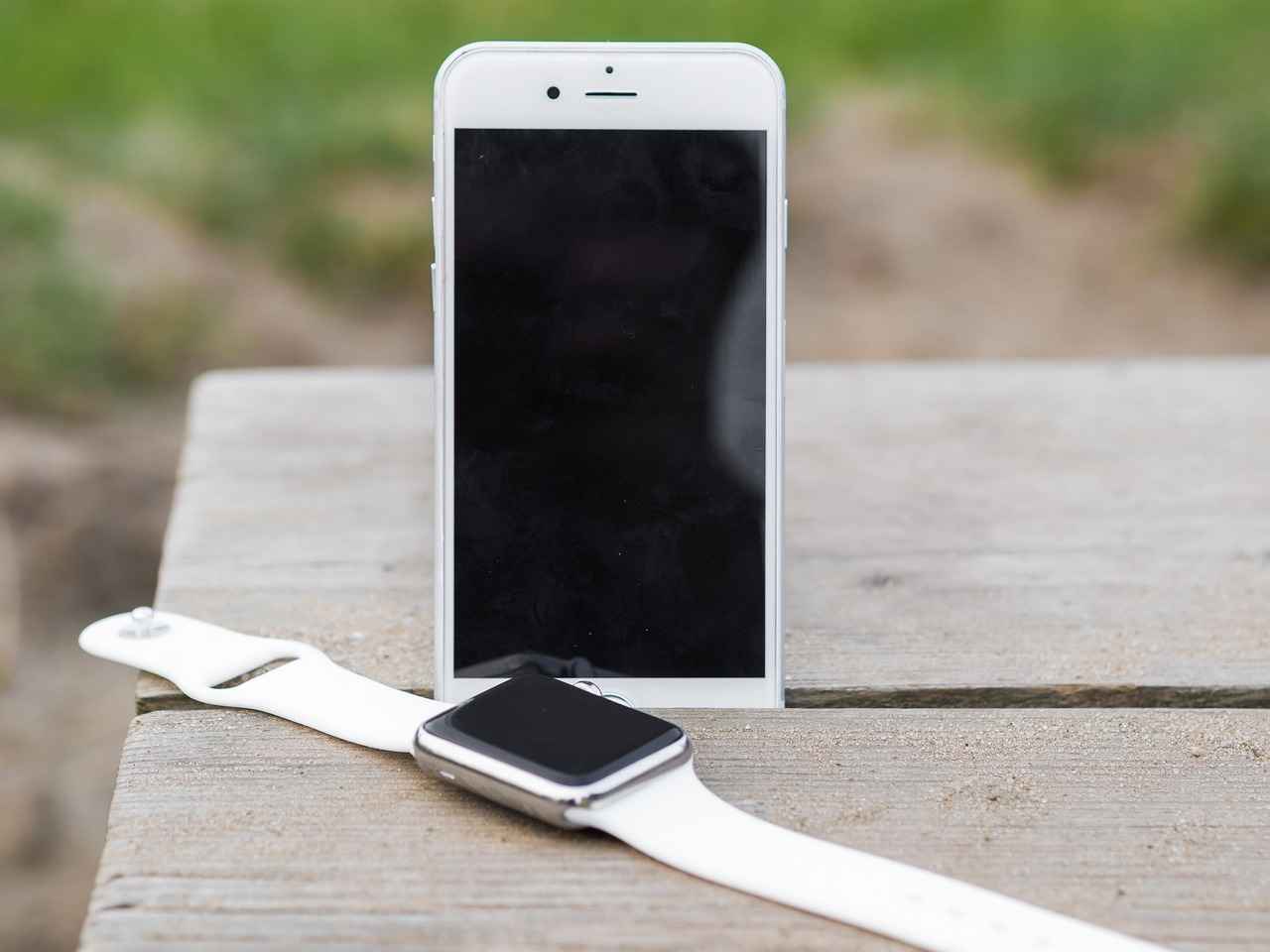
\nWearable technology, such as smartwatches and fitness trackers, can help you monitor your health and fitness levels. These devices track your physical activity, heart rate, and sleep patterns, providing valuable insights into your overall well-being. By using wearable technology, you can set fitness goals, track your progress, and make informed decisions about your health.
\n\nProductivity Tools
\nProductivity tools, such as project management software and time-tracking apps, can help you manage your time more effectively. These tools allow you to prioritize tasks, set deadlines, and track your progress. By using productivity tools, you can streamline your workflow, reduce stress, and achieve a better work-life balance.
\n\nCreating a Supportive Environment
\nA supportive environment is essential for achieving work-life balance. Surround yourself with positive people who understand and respect your boundaries. Communicate your needs and expectations clearly, and seek support when needed. Remember, achieving work-life balance is a journey, and it's okay to ask for help along the way.
\n\nIn conclusion, achieving work-life balance is crucial for overall well-being and productivity. By setting clear boundaries, prioritizing self-care, delegating tasks, and using technology wisely, you can create a harmonious balance between work and personal life. Smart living solutions can enhance your quality of life and help you manage your time more effectively. Remember, achieving work-life balance is a continuous process, and it's okay to make adjustments along the way. By taking proactive steps, you can create a fulfilling and balanced life.