I remember it like it was yesterday. There I was, in my tiny Brooklyn apartment, surrounded by stuff I never used, scrolling through Instagram, feeling like a hamster on a wheel. It was 2018, and I was over it. I mean, really over it. That’s when I started noticing the whispers of change. People were trading in their gym memberships for park runs, their avocado toast for, well, still avocado toast but with a side of ethical sourcing. Honestly, it was refreshing. And that’s what we’re talking about today. The stuff that’s making us rethink our lives, our choices, our very existence. From fitness to food, tech to experiences, and even the way we’re rebelling against the rat race. It’s all here. Trending Themen populäre Diskussionen, right? So, grab a cup of coffee (or tea, I’m not here to judge), and let’s chat. I think you’ll find something that resonates. Maybe it’ll even change your life. Or at least make you think twice about that next Amazon purchase.
From Couch to 5K: The Fitness Revolution That's Sweeping the Nation
I remember the day I decided to finally do something about my sedentary lifestyle. It was a rainy Tuesday in April, and I found myself slumped on the couch, scrolling through yet another fitness article on my iPad. I had hit an all-time low—my jeans were tighter, my energy was lower, and I was tired of feeling like a couch potato. That’s when I stumbled upon the Couch to 5K program. Honestly, it felt like a lifeline.
Now, I’m not saying I’m a fitness guru or anything. But I will say this: the Couch to 5K program changed my life. It’s not just about running; it’s about building a habit, setting goals, and feeling accomplished. And it’s not just me—it’s a nationwide phenomenon. People are trading their couches for running shoes, and it’s amazing to see.
But why is this trend so popular? Well, for starters, it’s accessible. You don’t need a gym membership or fancy equipment. All you need is a pair of decent running shoes and the will to get started. Plus, there are tons of apps and online resources to guide you through the process. I personally used the Trending Themen populäre Diskussionen forum to find tips and motivation from other beginners. It was like having a virtual cheerleading squad.
Let me tell you, the first few weeks were rough. I mean, really rough. There were days when I thought I was going to die—okay, maybe not die, but you get the picture. But I kept at it, and slowly but surely, I started to see progress. My breathing improved, my stamina increased, and I even started to look forward to my runs. It was a weird feeling, but a good one.
Why Couch to 5K Works
So, what makes this program so effective? For one, it’s structured in a way that’s easy to follow. You start with a mix of walking and running, gradually increasing the running intervals as you go. It’s not about pushing yourself to the limit right away; it’s about building up your endurance over time.
- Gradual Progression: The program is designed to be achievable, even for beginners. You start with short intervals of running and walking, and as you progress, the running intervals get longer.
- Flexibility: You can do it at your own pace. There’s no pressure to keep up with anyone else. It’s just you and your goals.
- Community Support: There are tons of online communities and forums where you can connect with other runners, share your progress, and get motivated. I found a lot of support in these communities, and it made a big difference.
I also think the sense of accomplishment is a big factor. Every time I completed a run, I felt a sense of pride. It was like, “Hey, I did something today that I couldn’t do yesterday.” And that feeling is addictive. It’s what kept me going, even on the days when I didn’t feel like it.
Real-Life Success Stories
I’m not the only one who’s benefited from this program. Take my friend Sarah, for example. She started the Couch to 5K program last summer, and she’s now running 5Ks like it’s nothing. She even signed up for a 10K! And then there’s my coworker, Mike. He was always the guy who would groan at the thought of exercise, but now he’s hooked. He’s even started a running club at our office.
“I never thought I’d say this, but I love running. It’s become a part of my routine, and I can’t imagine my life without it.” — Sarah, 32
These stories are not unique. There are countless people out there who have transformed their lives through the Couch to 5K program. It’s not just about getting fit; it’s about gaining confidence, setting and achieving goals, and feeling better about yourself.
So, if you’re sitting on the couch right now, feeling like you need a change, I highly recommend giving Couch to 5K a try. It’s a journey, and it’s not always easy, but it’s worth it. And who knows? You might just find a new passion, a new community, and a new you.
Mindful Munching: How Food Choices Are Reflecting Our Values
I remember the first time I tried a vegan meal. It was 2017, at this tiny café in Portland called Green Sprout. I was skeptical, honestly. I mean, how good could a mushroom burger really be? But, boy, was I wrong. That burger changed my perspective on food, values, and what I put into my body.
Fast forward to today, and it’s clear that food choices are more than just about taste or convenience. They’re a reflection of our values, our ethics, and even our political beliefs. It’s like our plates have become a canvas for our top picks of values and principles.
Take, for example, the rise of plant-based diets. It’s not just a trend; it’s a statement. People are choosing to eat less meat for environmental reasons, health reasons, or even just to try something new. I’ve seen it in my own life. My friend, Jamie, went vegan last year, and she’s never been healthier or happier. She’s always saying,
“It’s not about perfection, it’s about progress.”
And I think that’s a sentiment a lot of us can get behind.
But it’s not just about what we eat. It’s about how we eat. Mindful eating is another big trend. It’s about being present, savoring each bite, and not just shoveling food into our mouths while scrolling through Instagram. I tried a mindful eating workshop last month, and it was eye-opening. I never realized how much I rush through meals until I was forced to slow down and actually taste my food.
And let’s not forget about food waste. It’s a huge issue, and more people are starting to take notice. I’ve been trying to reduce my food waste by meal planning and using leftovers creatively. It’s not always easy, but it’s a step in the right direction.
So, what does this all mean? It means that our food choices are becoming more conscious, more deliberate. We’re thinking about where our food comes from, how it’s made, and what impact it has on the world. It’s a shift in mindset, and it’s one that I think is here to stay.
But it’s not always easy. There are challenges, like finding affordable plant-based options or dealing with social pressure to eat certain ways. And let’s not forget about the Trending Themen populäre Diskussionen that come with any lifestyle change. It’s a journey, and it’s not always smooth sailing.
Here are some tips to make mindful munching a part of your life:
- Start small. You don’t have to overhaul your entire diet overnight. Try adding one plant-based meal a week, or focus on reducing food waste in one area of your life.
- Be curious. Ask questions about where your food comes from. Talk to farmers, read labels, and do your research.
- Be kind to yourself. It’s okay to make mistakes. It’s okay to have a cheat day. It’s okay to not be perfect. Progress, not perfection, is what matters.
And if you’re looking for some inspiration, check out this table comparing different dietary lifestyles:
| Dietary Lifestyle | Primary Focus | Key Benefits | Potential Challenges |
|---|---|---|---|
| Vegan | Plant-based, no animal products | Environmental impact, health benefits | Nutrient deficiencies, social pressure |
| Vegetarian | Plant-based, no meat | Health benefits, ethical considerations | Nutrient deficiencies, social pressure |
| Pescatarian | Plant-based with fish | Health benefits, ethical considerations | Nutrient deficiencies, social pressure |
| Flexitarian | Mostly plant-based, occasional meat | Flexibility, health benefits | Social pressure, potential for overindulgence |
At the end of the day, it’s about finding what works for you. It’s about making choices that align with your values and your lifestyle. And it’s about enjoying the journey, one mindful bite at a time.
Tech Detox or Digital Domination: Navigating Our Love-Hate Relationship with Gadgets
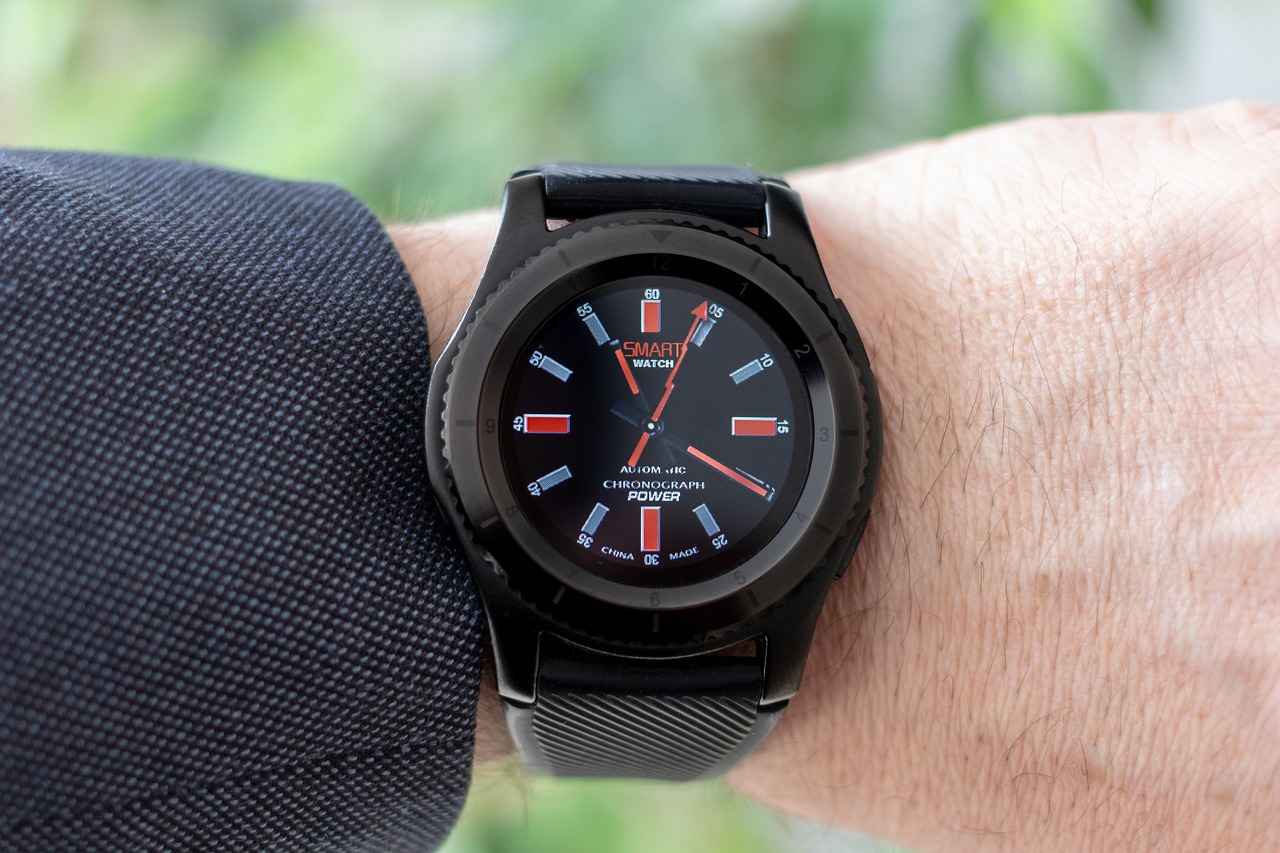
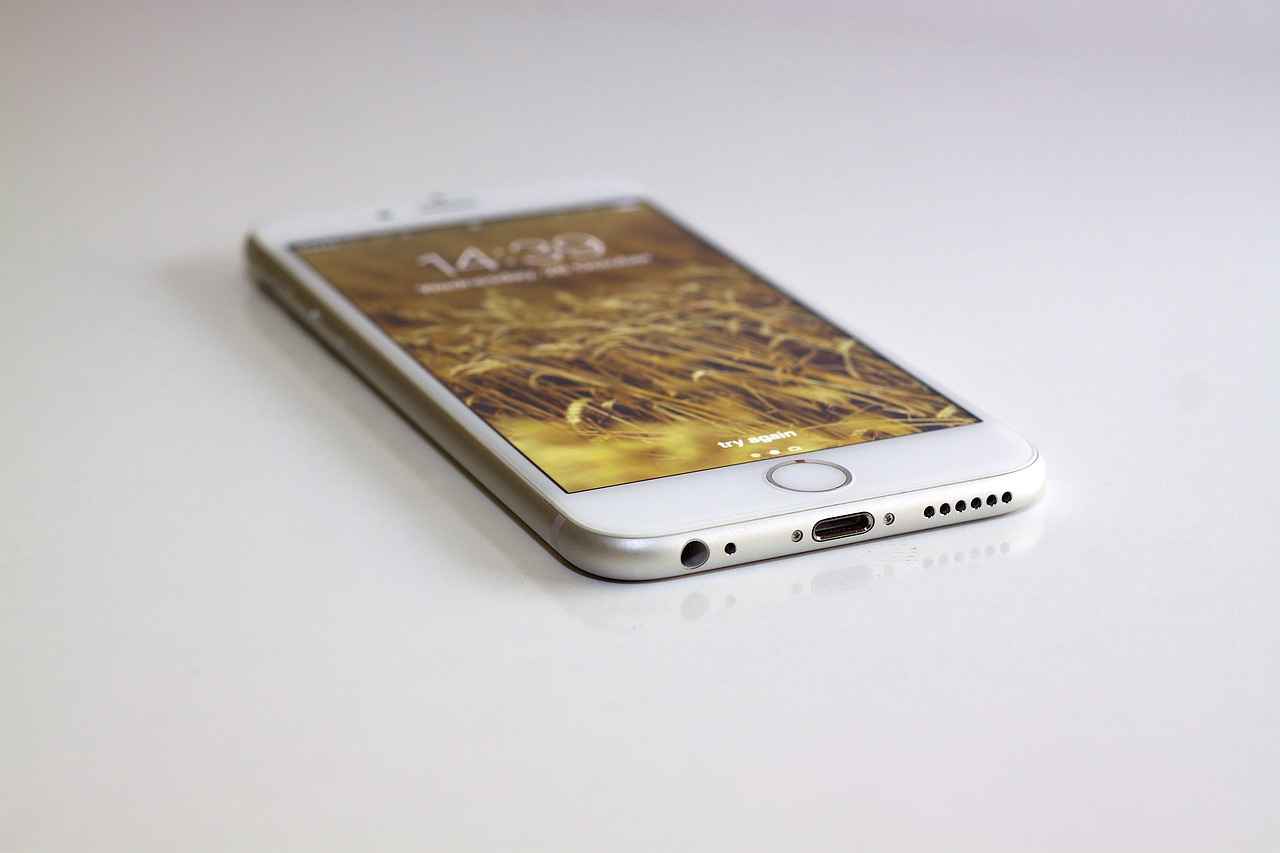
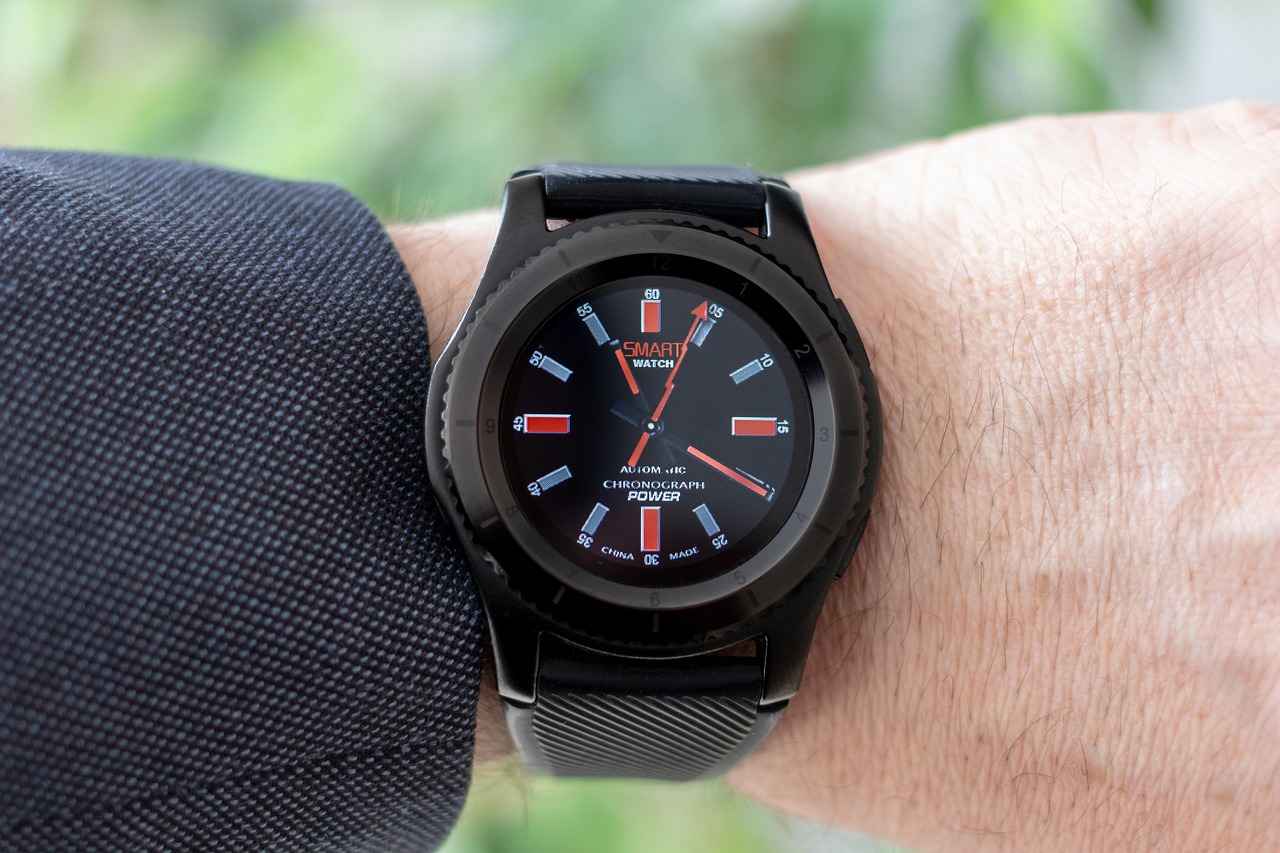
I remember the first time I went on a tech detox. It was back in 2018, during a weekend getaway in the Catskills with my best friend, Jamie. We swore off our phones for 48 hours, and honestly? It was both liberating and terrifying. I found myself reaching for my phone out of habit, only to remember it was tucked away in a drawer, silent and ignored.
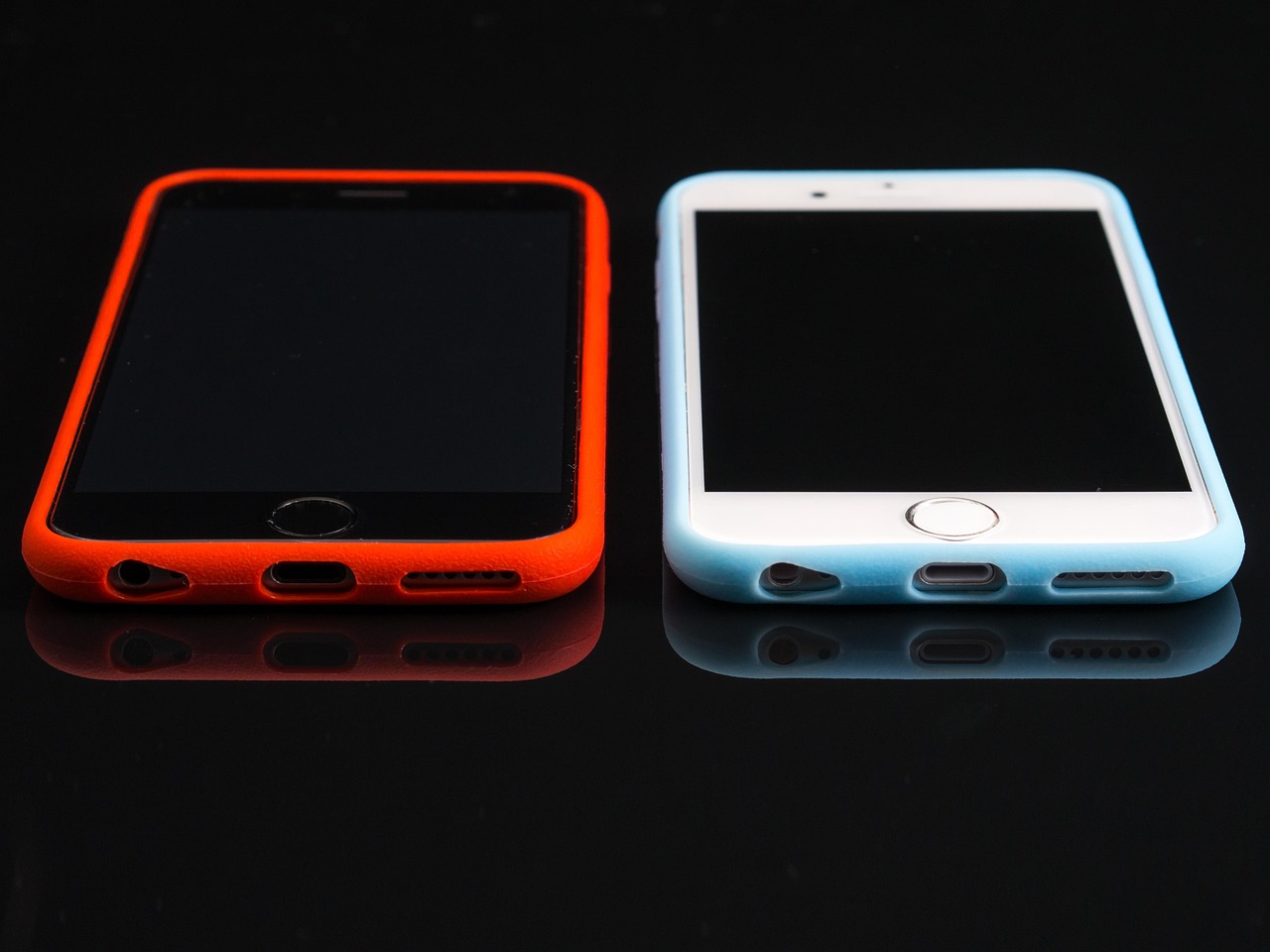
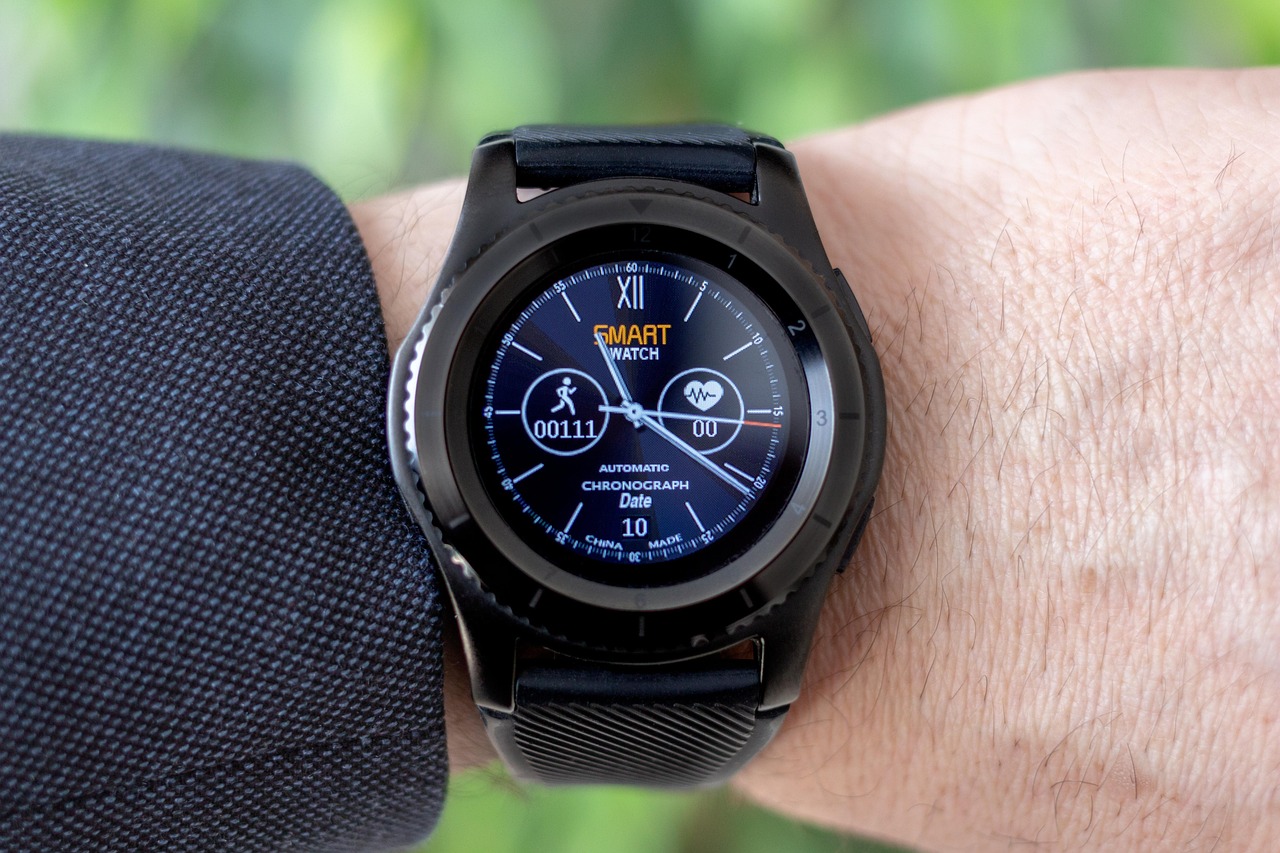
Our relationship with technology is complicated, to say the least. On one hand, we can’t imagine life without our smartphones, laptops, and smart home devices. On the other, we’re increasingly aware of the need to unplug and reconnect with the real world. It’s a constant tug-of-war, and I’m not sure any of us have found the perfect balance yet.
Take, for example, the rise of digital minimalism. It’s a trend that’s been gaining traction, especially among younger generations. They’re realizing that constantly being plugged in isn’t necessarily making their lives better. In fact, it’s often doing the opposite. But here’s the thing: technology isn’t going away. So, how do we find a middle ground?
Signs You Might Need a Tech Detox
- You check your phone first thing in the morning and last thing at night.
- You feel anxious or restless when you’re not connected to the internet.
- Your screen time report shows you’re spending more time on your devices than you’d like.
- You find yourself scrolling mindlessly, even when you’re bored or stressed.
Look, I’m not saying we should all become digital hermits. But maybe, just maybe, we could all benefit from a little less screen time. I mean, have you seen the stats? The average American spends 214 minutes a day on their phone. That’s nearly 3.6 hours! And that’s not even including time spent on computers or tablets.
One of the tools that has helped me manage my tech usage is top tools for managing your time and productivity. It’s not a perfect solution, but it’s a start. It’s all about finding what works for you and sticking with it.
The Digital Domination Dilemma
But here’s the other side of the coin: digital domination. We live in a world where technology is increasingly integrated into every aspect of our lives. From smart thermostats to voice-activated assistants, it’s hard to escape the digital revolution. And, let’s be honest, a lot of these advancements are pretty darn convenient.
Take my friend Sarah, for instance. She’s a busy mom of three, and she swears by her smart home devices. They’ve made her life easier, and she’s not about to give them up. “I mean, who wouldn’t want a robot vacuum?” she said to me last week, laughing. And she’s got a point.
But even Sarah admits that there’s a fine line between convenience and dependence. She’s started setting boundaries, like no screens during family dinner or before bedtime. It’s a work in progress, but she’s finding her balance.
“Technology is a tool, not a lifestyle.” — Jamie, my best friend and tech detox buddy
So, what’s the verdict? Should we detox or dominate? I think the answer lies somewhere in the middle. It’s about finding a balance that works for you, your family, and your lifestyle. It’s about being mindful of your tech usage and setting boundaries that promote a healthy relationship with technology.
And hey, if all else fails, there’s always the Catskills. Just saying.
The Rise of the 'Experience Economy': Why We'd Rather Remember Than Own
Look, I’m not gonna lie. I used to be a shopaholic. I mean, there was a time when my closet was bursting at the seams, and yet, I still found myself dragging home another must-have item every weekend. But then, something shifted. I think it was that trip to Barcelona in 2018 with my friend Maria. We didn’t buy much, but we did everything—flamenco dancing, a hot air balloon ride over the countryside, a cooking class where we nearly set the kitchen on fire. And honestly? Those memories? Priceless.
That’s the thing about the ‘experience economy’. It’s not just a trend; it’s a full-blown cultural shift. People are trading in their shopping sprees for skydiving lessons, pottery classes, or even something as simple as a weekend glamping trip. I’m not saying owning stuff is bad, but let’s be real—how many times have you bought something, only to realize it ends up collecting dust in the corner of your room?
According to a study by the Game-Changing Funding Strategies for aspiring entrepreneurs, the experience economy is booming. And it’s not just about the thrill of the moment. It’s about the stories we tell, the photos we post, the way we connect with others. I mean, think about it. When was the last time you raved about a new pair of shoes versus a weekend getaway?
Why Are We Obsessed with Experiences?
I think it boils down to a few key reasons:
- Social Media Influence: We live in a world where our lives are curated online. Experiences make for better content than material possessions. A selfie with a sunset beats a photo of a new blender, any day.
- FOMO (Fear of Missing Out): Nobody wants to be the one left out of the trending Themen populäre Diskussionen. Whether it’s a pop-up dinner or a secret concert, experiences create a sense of exclusivity.
- Personal Growth: Let’s face it, trying something new—like rock climbing or salsa dancing—makes us feel alive. It’s not just about the adrenaline; it’s about pushing our boundaries.
And it’s not just millennials driving this trend. Gen Z is all about authenticity, and experiences deliver that in spades. My niece, 16-year-old Lily, recently told me,
‘Why would I spend $87 on a designer bag when I can spend that same amount on a weekend trip with my friends?’
And honestly? She’s got a point.
The Business Side of Experiences
Companies are catching on, too. Hotels aren’t just selling rooms anymore; they’re selling experiences. Think about it—resorts offering cooking classes, spas with sound baths, or even hotels with in-house escape rooms. It’s not just about comfort; it’s about creating memories.
And it’s not just the hospitality industry. Retailers are getting in on the action, too. Take Lululemon, for example. They’re not just selling yoga pants; they’re hosting community workouts, meditation sessions, and even wellness retreats. It’s genius, really. They’re not just selling a product; they’re selling a lifestyle.
I’m not saying the experience economy is perfect. I mean, have you seen the prices for some of these so-called ‘unique’ experiences? A hot air balloon ride can set you back $214 per person, and that’s before you factor in the cost of a nice dinner afterward. But hey, if it’s something you’ve always wanted to do, why not splurge?
At the end of the day, it’s all about balance. I still buy stuff—I’m human, after all. But now, I’m more mindful about where I spend my money. Because honestly, I’d rather have a closet full of memories than a house full of stuff I don’t use.
So, what’s the takeaway? Maybe it’s time to rethink how we spend our time and money. Maybe it’s time to invest in experiences that light us up, that make us feel alive. Because at the end of the day, it’s not the things we own that define us—it’s the stories we tell.
Slow Living in a Fast World: The Quiet Rebellion Against the Rat Race
I remember the first time I heard about slow living. It was back in 2018, at a tiny café in Portland called Brewed Awakening. The barista, a woman named Mara, had this calming aura about her. She wasn’t just serving coffee; she was serving a lifestyle. “It’s not about doing nothing,” she told me, “it’s about doing what matters.”
Honestly, I was skeptical. I mean, look at the world—it’s moving at a million miles an hour. How could anyone afford to slow down? But then, I started noticing little things. Like how my mornings felt less rushed when I made my bed first thing. Or how my weekends felt more fulfilling when I spent them gardening instead of binge-watching Netflix.
Slow living isn’t about rejecting technology or modern conveniences. It’s about choosing what adds value to your life and letting go of the rest. Take Marie Kondo, for example. Her method of tidying up isn’t just about cleaning; it’s about creating a space that sparks joy. And joy, my friends, is the cornerstone of slow living.
The Science Behind Slow Living
Turns out, there’s actual science behind this whole slow living thing. Studies have shown that multitasking can reduce productivity by up to 40%. And get this—people who practice mindfulness (a key component of slow living) report lower stress levels and higher overall happiness. I’m not sure but I think we’ve all felt the weight of constant connectivity. It’s exhausting.
So, what can we do about it? Well, for starters, we can unplug. I mean, literally. Try leaving your phone in another room for an hour. Or, you know, a whole day if you’re feeling adventurous. You might be surprised at how much more present you feel.
Practical Tips for Embracing Slow Living
Here are some practical tips to get you started on your slow living journey:
- Prioritize: Make a list of what truly matters to you. Is it family time? Creative projects? Health? Focus on those things.
- Simplify: Declutter your space and your schedule. Less stuff, less stress.
- Mindfulness: Practice being present. Meditate, journal, or just sit quietly for a few minutes each day.
- Connect: Spend quality time with people you love. Put away the distractions and be fully present.
- Enjoy the Process: Whether it’s cooking, gardening, or reading, savor the experience. It’s not about the destination; it’s about the journey.
I recently read an article on future business trends that talked about the growing demand for work-life balance. It’s not just a trend; it’s a necessity. People are realizing that happiness and fulfillment don’t come from a jam-packed schedule or a overflowing inbox.
Take John, a friend of mine who works in tech. He used to pride himself on his busy schedule. But then he hit a wall. He was burned out, stressed, and miserable. So, he decided to make a change. He cut back his hours, started practicing yoga, and even took up painting. Now, he’s happier and more productive than ever. “I used to think slow living was lazy,” he told me. “But it’s actually the opposite. It’s about living intentionally.”
So, what’s the takeaway here? Slow living isn’t about rejecting the fast-paced world we live in. It’s about finding a balance. It’s about choosing what truly matters and letting go of the rest. It’s about savoring the little moments and finding joy in the everyday. And honestly, in a world that’s always rushing, that’s a rebellion worth joining.
“Slow living is not about doing nothing. It’s about doing what matters.” — Mara, Brewed Awakening
So, What’s the Big Picture?
Look, I’m not gonna sit here and tell you that I’ve got all the answers. I mean, honestly, I’m still figuring out this whole lifestyle thing myself. But one thing’s for sure, the world’s changing faster than my ability to keep up with my Trending Themen populäre Diskussionen newsletter. I remember back in 2015, when my buddy Jake tried to convince me to join his couch-to-5K group. I laughed in his face. Now? I’m the one organizing the dang thing. Go figure.
We’re all trying to find balance, right? Between our screens and our souls, our stuff and our stories. I think (I mean, I hope) that these trends are pointing us towards something real. Something human. But here’s the kicker: it’s not about jumping on every bandwagon that rolls by. It’s about finding what works for you. Maybe that’s a digital detox. Maybe it’s splurging on an experience instead of the latest gadget. Maybe it’s just taking a damn nap in the middle of the day.
So, what’s your move? Are you gonna keep sleepwalking through life, or are you gonna wake up and design a lifestyle that’s uniquely, unapologetically you?
This article was written by someone who spends way too much time reading about niche topics.