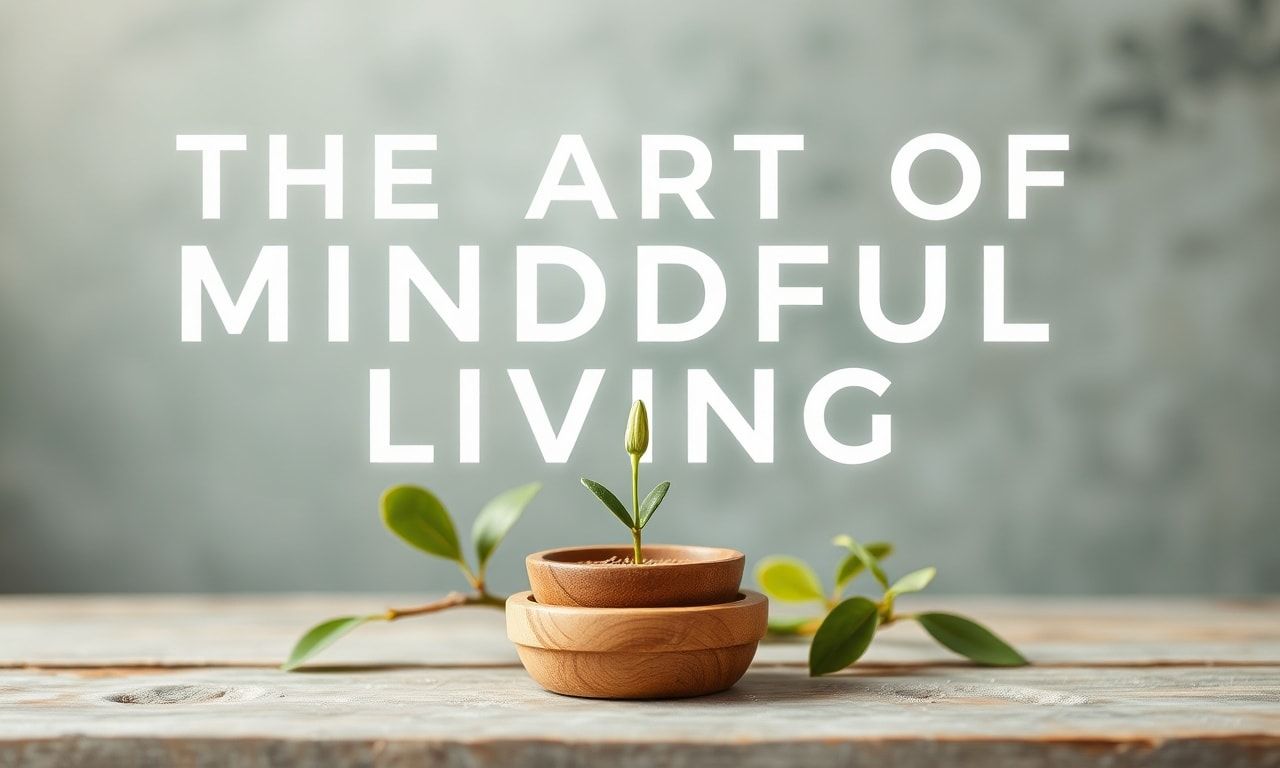
The Essence of Mindful Living
In the fast-paced world we live in, it’s easy to get caught up in the whirlwind of daily tasks and responsibilities. Mindful living is about bringing awareness to the present moment, appreciating the small things, and making conscious choices that enhance our well-being. This lifestyle shift doesn’t require drastic changes but rather a subtle shift in perspective and habit.
Cultivating Mindfulness in Daily Routines
Mindfulness can be incorporated into even the most mundane activities. For instance, while cooking, focus on the textures, smells, and flavors of the ingredients. When driving, pay attention to the road, the sounds of the car, and the environment around you. Websites like tire review comparison best options can help you make informed decisions about your vehicle, ensuring a smoother and safer journey. These small practices can transform ordinary moments into opportunities for mindfulness.
Morning Rituals for a Mindful Start
Starting your day with mindfulness sets a positive tone for the rest of the day. Consider waking up a few minutes earlier to enjoy a quiet cup of tea or coffee, practice deep breathing exercises, or jot down your thoughts in a journal. These rituals can help you center yourself and approach the day with a clear and calm mind. Additionally, setting intentions for the day can help you stay focused and aligned with your goals.
Mindful Eating for Better Health
Mindful eating involves paying full attention to your food—without distractions like TV, phones, or reading. This practice can help you savor each bite, recognize hunger and fullness cues, and make healthier food choices. It’s not about strict dietary rules but about developing a healthier relationship with food. Mindful eating can also enhance digestion and nutrient absorption, contributing to overall well-being.
The Impact of Mindful Living on Relationships
Mindful living extends beyond personal well-being; it can significantly improve your relationships. By being fully present with your loved ones, you can foster deeper connections and understanding. Active listening, for example, involves giving your full attention to the speaker, reflecting on what they say, and responding thoughtfully. This practice can prevent misunderstandings and strengthen bonds.
Communication and Conflict Resolution
Mindful communication involves expressing your thoughts and feelings clearly and respectfully, while also being open to the perspectives of others. In conflicts, mindfulness can help you respond rather than react, leading to more constructive resolutions. Techniques like non-violent communication (NVC) can be particularly effective in this regard. NVC focuses on expressing observations, feelings, needs, and requests in a way that promotes empathy and understanding.
Self-Improvement Through Mindfulness
Mindfulness is a powerful tool for self-improvement. It helps you become more aware of your thoughts, emotions, and behaviors, allowing you to make positive changes. For instance, mindfulness can help you identify negative thought patterns and replace them with more positive and productive ones. It can also enhance self-compassion, helping you treat yourself with the same kindness and understanding you would offer to a close friend.
Mindfulness and Goal Setting
Setting goals mindfully involves aligning your objectives with your values and priorities. This approach ensures that your goals are meaningful and motivating. Mindfulness can also help you stay focused on your goals, track your progress, and celebrate your achievements. Additionally, it can help you overcome setbacks and maintain a positive mindset throughout your journey.
Creating a Mindful Home Environment
Your home environment can greatly influence your mindset and well-being. Creating a mindful home involves decluttering, organizing, and designing spaces that promote relaxation and focus. For example, you can create a cozy reading nook, a meditation corner, or a garden where you can connect with nature. These spaces can serve as sanctuaries where you can recharge and practice mindfulness.
Mindful Technology Use
In today’s digital age, it’s crucial to use technology mindfully. This involves setting boundaries, such as designated tech-free times and spaces, and being aware of how technology affects your mood and productivity. Mindful technology use can help you strike a balance between staying connected and enjoying quality time offline. It can also improve your sleep, reduce stress, and enhance your overall well-being.
Ever wondered how art shapes our daily lives and relationships? Discover the fascinating connection in our latest feature, art’s cultural journey.
If you’ve been looking for ways to enhance your daily life and relationships, consider exploring simple mindful living practices that can make a significant difference.
Transform your living space into a warm sanctuary with our guide on creating a cozy home, perfect for enhancing your daily living experience and nurturing relationships.