The Importance of Work-Life Balance
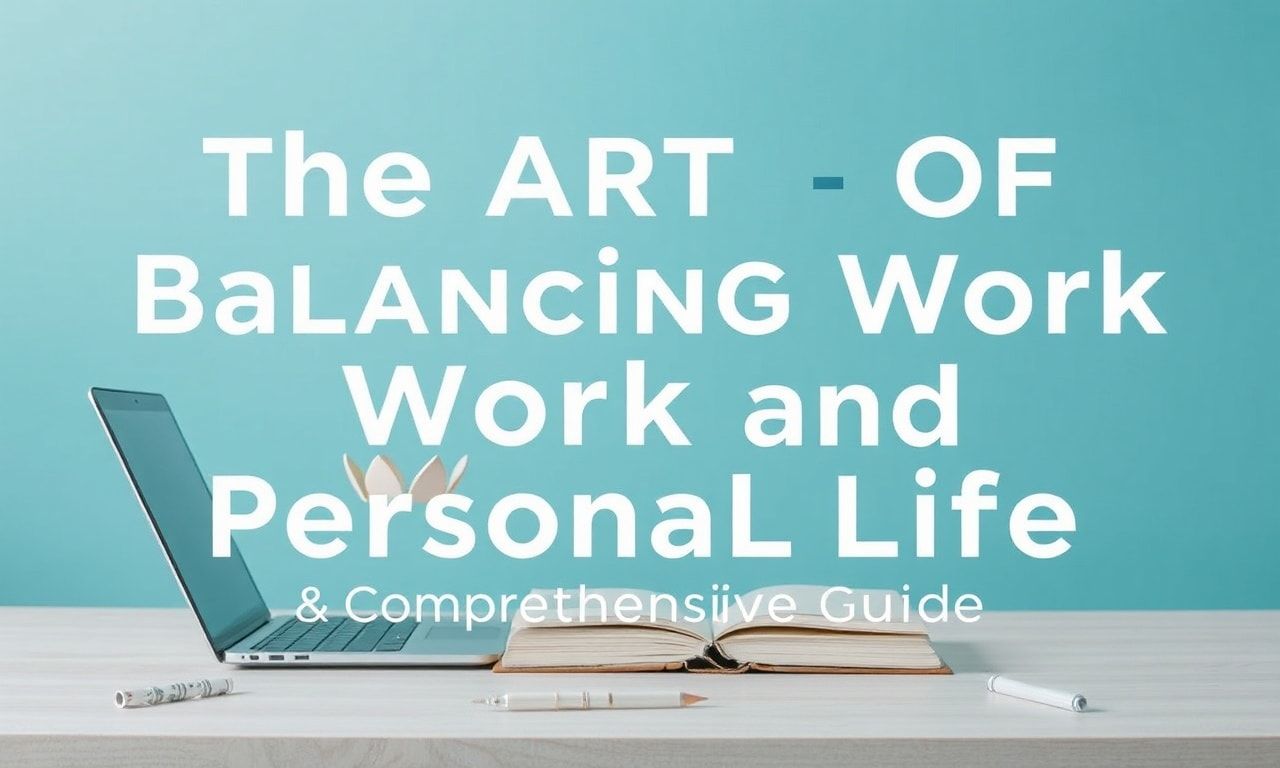
In today’s fast-paced world, maintaining a healthy work-life balance can often feel like an elusive goal. With the constant demands of work, family, and personal interests, it’s easy to become overwhelmed and burnt out. However, achieving a harmonious balance between your professional and personal life is crucial for your overall well-being and happiness. This article will explore the importance of work-life balance and provide practical tips on how to achieve it.
Understanding Work-Life Balance
Work-life balance refers to the equilibrium between the time and effort you dedicate to your career and the time you allocate for personal activities, relationships, and self-care. It’s not about dividing your time equally between work and personal life, but rather about creating a sustainable and fulfilling lifestyle that meets your unique needs and priorities.
The Benefits of a Balanced Life
A well-balanced life offers numerous benefits, including:
- Improved mental and physical health
- Enhanced productivity and job satisfaction
- Stronger relationships with family and friends
- Increased self-esteem and confidence
- Greater opportunities for personal growth and self-improvement
Practical Tips for Achieving Work-Life Balance
Achieving work-life balance requires conscious effort and planning. Here are some practical tips to help you create a more balanced and fulfilling life:
Set Clear Boundaries
Establish clear boundaries between your work and personal life. This might involve setting specific work hours, avoiding work-related tasks during personal time, and communicating your boundaries to your employer and colleagues. For instance, if you live in Hempstead and need to prepare for an important exam, consider enrolling in one of the best test prep centers in Hempstead to manage your study time effectively without compromising your work commitments.
Prioritize Self-Care
Self-care is essential for maintaining a healthy work-life balance. Make time for activities that nourish your body, mind, and soul, such as exercise, meditation, hobbies, and spending time in nature. Remember, self-care is not a luxury; it’s a necessity for your overall well-being.
Learn to Say No
It’s important to know your limits and learn to say no to tasks or commitments that would add unnecessary stress to your life. Whether it’s a work project or a social event, it’s okay to decline if it doesn’t align with your priorities or would compromise your well-being.
Delegate and Outsource
Don’t try to do everything yourself. Delegate tasks at work when possible, and consider outsourcing household chores or hiring help if it fits within your budget. This can free up your time and energy to focus on what truly matters to you.
Creating a Supportive Environment
A supportive environment can significantly contribute to your work-life balance. Surround yourself with positive, like-minded individuals who respect your boundaries and encourage your personal growth. Communicate openly with your family, friends, and employer about your needs and expectations.
Conclusion
Achieving work-life balance is an ongoing journey that requires self-awareness, planning, and commitment. By setting clear boundaries, prioritizing self-care, learning to say no, and creating a supportive environment, you can create a more balanced and fulfilling life. Remember, work-life balance looks different for everyone, so it’s essential to find what works best for you and your unique circumstances.
If you’re eager to enhance your daily life and relationships, consider checking out tips for a better lifestyle to inspire positive changes.