The Art of Balancing Modern Life
In today’s fast-paced world, finding a balance between work, relationships, and self-care can be challenging. The constant juggle of responsibilities often leaves us feeling overwhelmed and exhausted. However, achieving a harmonious lifestyle is not about perfection but about making conscious choices that prioritize your well-being. This article explores practical tips to help you navigate modern life while maintaining a healthy balance.
Prioritizing Self-Care
Self-care is often the first thing to go when life gets busy, but it’s crucial for maintaining both physical and mental health. Self-care doesn’t have to be time-consuming or expensive. Simple practices like taking a walk in nature, practicing mindfulness, or enjoying a relaxing bath can make a significant difference. Remember, self-care is not selfish; it’s necessary for you to be the best version of yourself for your loved ones and responsibilities.
Incorporating self-care into your daily routine can be as straightforward as setting aside 15 minutes each day for an activity that brings you joy. This could be reading a book, listening to music, or even following a guided meditation. Additionally, paying attention to your health is a vital aspect of self-care. Regular check-ups and staying informed about health topics, such as today’s best practices for fertility treatments, can provide peace of mind and ensure you’re taking proactive steps towards a healthier life.
The Role of Technology in Self-Care
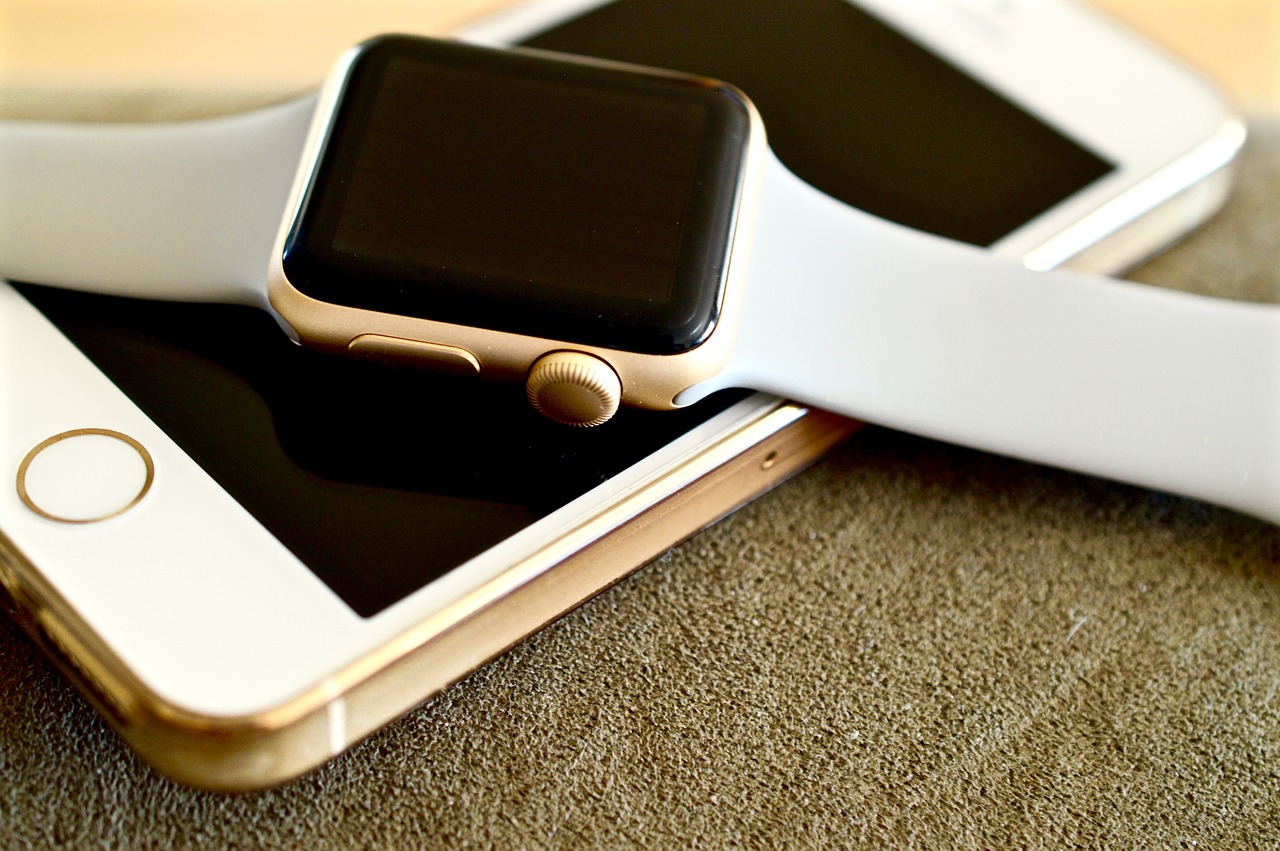
Technology can be a double-edged sword when it comes to self-care. On one hand, it can be a source of stress and distraction, but on the other, it can be a powerful tool for relaxation and wellness. Smartwatches, for instance, can help you monitor your heart rate, track your sleep patterns, and even guide you through breathing exercises. By leveraging technology mindfully, you can enhance your self-care routine and make it more effective.
Nurturing Relationships
Healthy relationships are a cornerstone of a balanced life. Whether it’s with family, friends, or a significant other, nurturing these connections requires effort and time. Make an effort to stay connected with loved ones, even if it’s just a quick call or text to check in. Quality time spent with those you care about can strengthen your bonds and provide emotional support.
Communication is key in any relationship. Be open and honest about your feelings and needs, and encourage your loved ones to do the same. Active listening, showing empathy, and being present are all essential components of effective communication. Additionally, don’t forget to express your appreciation and love for those around you. Small gestures of kindness and gratitude can go a long way in fostering a positive and supportive environment.
Creating a Healthy Home Environment
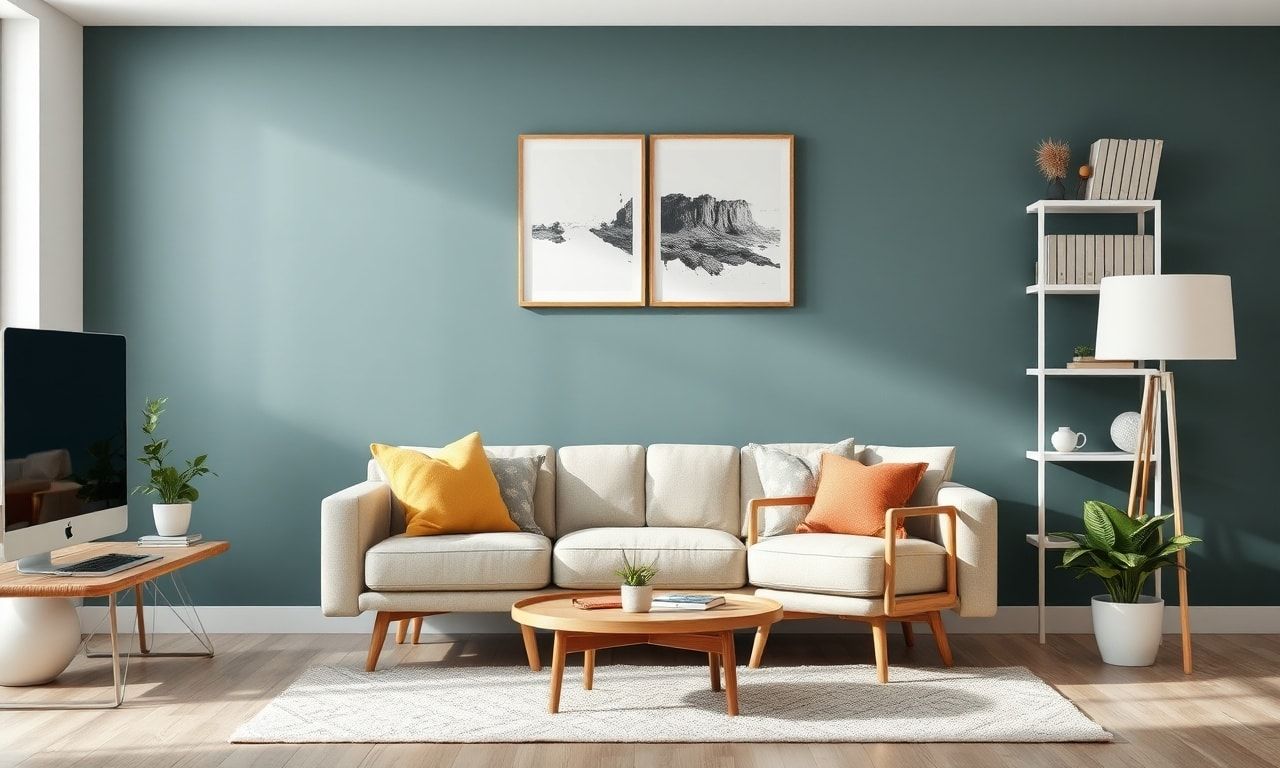
Your home should be a sanctuary, a place where you can relax and recharge. Creating a healthy home environment involves more than just keeping it clean and tidy. It’s about designing a space that promotes well-being and reflects your personality and values.
Start by decluttering your space. A clutter-free environment can reduce stress and improve focus. Incorporate elements of nature, such as plants or natural light, to create a calming atmosphere. Additionally, consider the layout and functionality of your space. Ensure that it supports your lifestyle and activities, whether it’s a cozy reading nook or a dedicated workspace.
The Impact of Home Environment on Mental Health
The environment in which you live can have a significant impact on your mental health. A well-designed, organized, and comfortable home can reduce stress and anxiety, while a chaotic or uncomfortable space can exacerbate these feelings. By creating a home that promotes relaxation and well-being, you can improve your overall quality of life.
Setting and Achieving Personal Goals
Setting and achieving personal goals is an essential aspect of self-improvement and personal growth. Whether it’s learning a new skill, advancing in your career, or improving your fitness, having something to strive for can give you a sense of purpose and direction.
Start by setting realistic and achievable goals. Break them down into smaller, manageable steps, and create a timeline for completion. Celebrate your progress along the way, and don’t be too hard on yourself if you encounter setbacks. Remember, personal growth is a journey, not a destination.
Additionally, seek out resources and support to help you achieve your goals. This could be in the form of books, online courses, or even a mentor or coach. Surround yourself with positive and like-minded individuals who can offer encouragement and motivation. By taking proactive steps towards your goals, you can create a more fulfilling and balanced life.
Conclusion
Balancing modern life is about making conscious choices that prioritize your well-being and happiness. By incorporating self-care practices, nurturing relationships, creating a healthy home environment, and setting and achieving personal goals, you can achieve a harmonious lifestyle. Remember, it’s not about perfection but about progress. Small, consistent steps can lead to significant improvements in your overall quality of life.